Macron to address the nation after riots that Trump says show France 'burning'
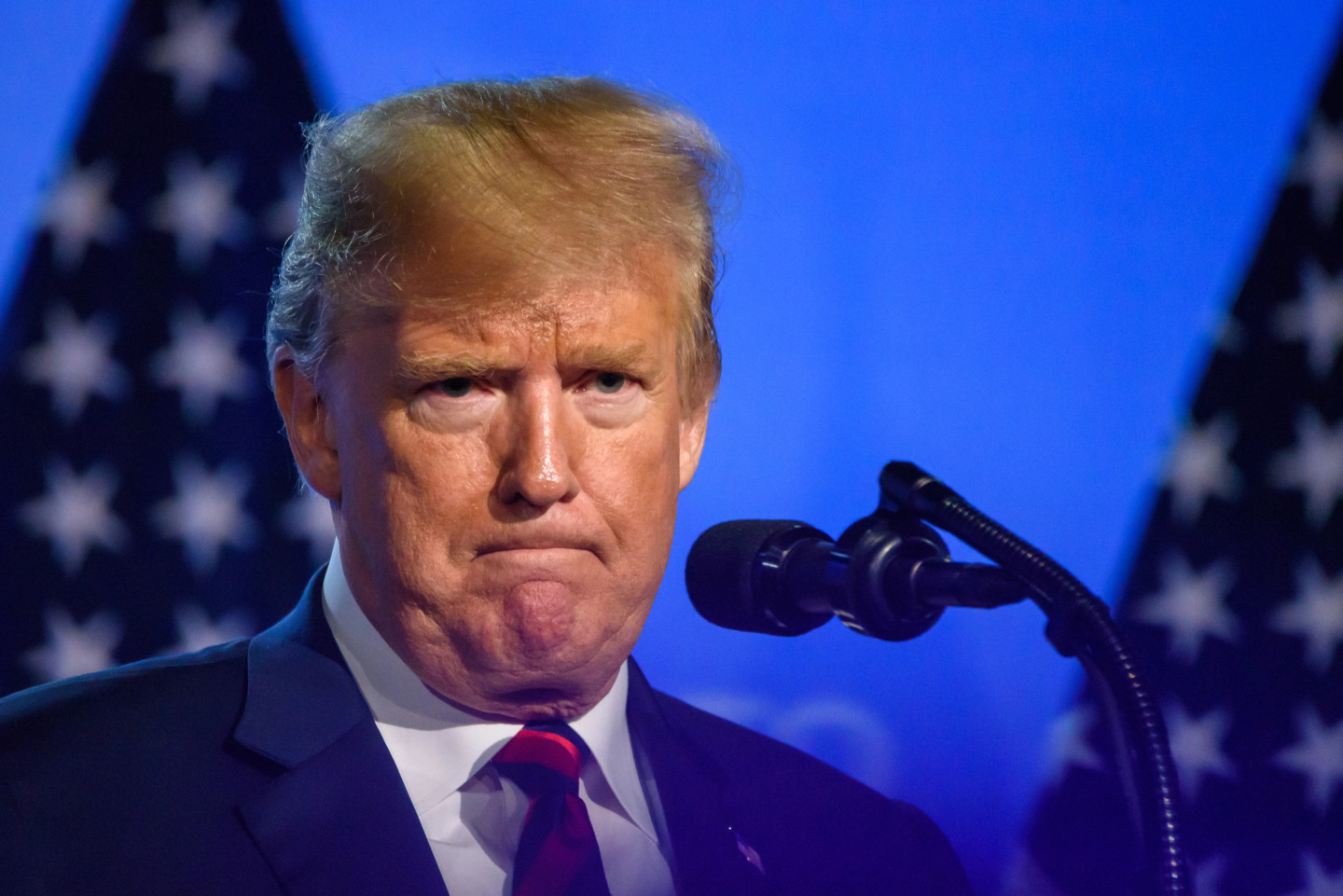
French President Emmanuel Macron will speak to the nation on Sunday evening after unrest across the country that led to more than 2,000 detentions. US President Donald Trump used the violence to blame immigration.
French President Emmanuel Macron will deliver a “solemn” address to the nation at 8 p.m. on Sunday, after violent unrest across France on Saturday led to hundreds of arrests and millions of euros in damage. The events matter politically because the protests have become an issue in the run-up to next year’s presidential election.
How it started
Saturday’s clashes came on one of the latest days of demonstrations that grew out of student protests last month, which involved school blockades and demands for better study conditions. The movement has since widened into nationwide protests over rising living costs.
Footage showed widespread looting, burned cars and smashed shop windows. In Limoges, a city in central France, rioters set fire to the town hall, and part of the roof collapsed. One demonstrator died after a heart attack.
Interior Minister Laurent Nuñez wrote on X on Sunday afternoon that more than 2,000 people had been taken into custody and more than 600 police officers, gendarmes and firefighters had been injured.
Before his address, Macron will meet Prime Minister Sébastien Lecornu and the ministers handling the crisis. Lecornu has described the situation as “urban violence.” The government hopes the student movement will fade, as a two-week school holiday began on Friday.
Reactions abroad and at home
US President Donald Trump wrote on Truth Social that “France is burning” and blamed immigration, urging the country to close its borders. US Vice President JD Vance said Western liberals had imported the “third world” into France and ignored questions of assimilation. The United States holds midterm elections for both houses of Congress on Nov. 3.
Guillaume Guérin, the mayor of Limoges, criticized the government’s handling of the protests, saying the national police “simply had no more ammunition left.”