Moscow politician Galyamina: most Russians are pacifists who just want the war to end
After the antiwar party Yabloko was barred from Russia's State Duma election, Moscow-based politician Yulia Galyamina explains in an interview why she believes most Russians are tired pacifists rather than genuine opponents of Putin, and why protest-voting strategies offer little hope.
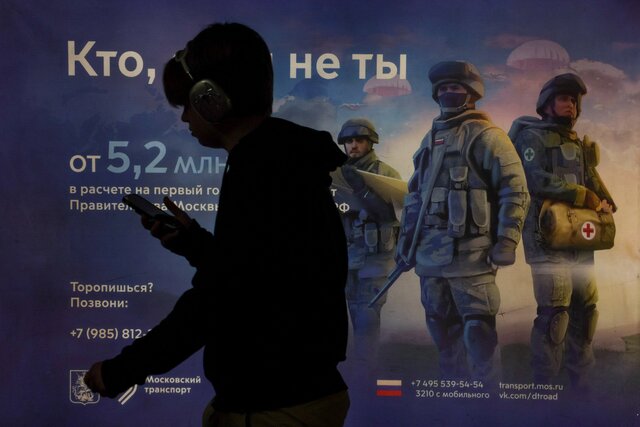
Following the disqualification of Yabloko — a party that ran on antiwar slogans — from Russia's State Duma election, Moscow-based opposition politician Yulia Galyamina discussed the fallout in an interview with Meduza. She said the Kremlin had wavered for a time between continuing negotiations and pushing the war toward completion, but it has recently become clear that talks, including those following contacts with the Trump administration, have been shelved and the war is being pushed toward its conclusion rather than a peaceful end.
Galyamina said activists who had rallied around Yabloko felt disappointment after its removal from the race, though life goes on, and older generations who have lived through repeated political letdowns feel it less acutely than newcomers to politics. Inside Russia, she said, debate over election strategy — boycotting, spoiling ballots, or voting for any non-ruling party — exists, but without much conviction that it changes anything.
A silent majority
Galyamina described Russian public opinion as split across several currents: pro-Putin and pro-war, anti-Putin and antiwar, and a smaller anti-Putin but pro-war strand. The largest group, she argued, has gone unrepresented publicly — people who are pro-Putin but antiwar, essentially pacifists, whose sentiment surfaced partly through public figures such as Viktoria Bonya. This group had hoped negotiations with Washington would bring a ceasefire; as talks stalled and problems such as gasoline shortages mounted, some of them began shifting toward a more critical stance on the authorities, though not on Putin personally.
According to Galyamina, most Russians simply want the war to end rather than insisting on a particular victory, and would accept almost any outcome presented to them as one. At the same time, she said, openly questioning the need for victory has become increasingly risky, pointing to the case against politician Lev Shlosberg and the dismissal of economist Andrei Klepach as evidence of a narrowing space for dissent.
Galyamina also pointed to a lack of coordination between opposition figures inside Russia and those in emigration, which she said contributed to Yabloko's removal from the ballot.