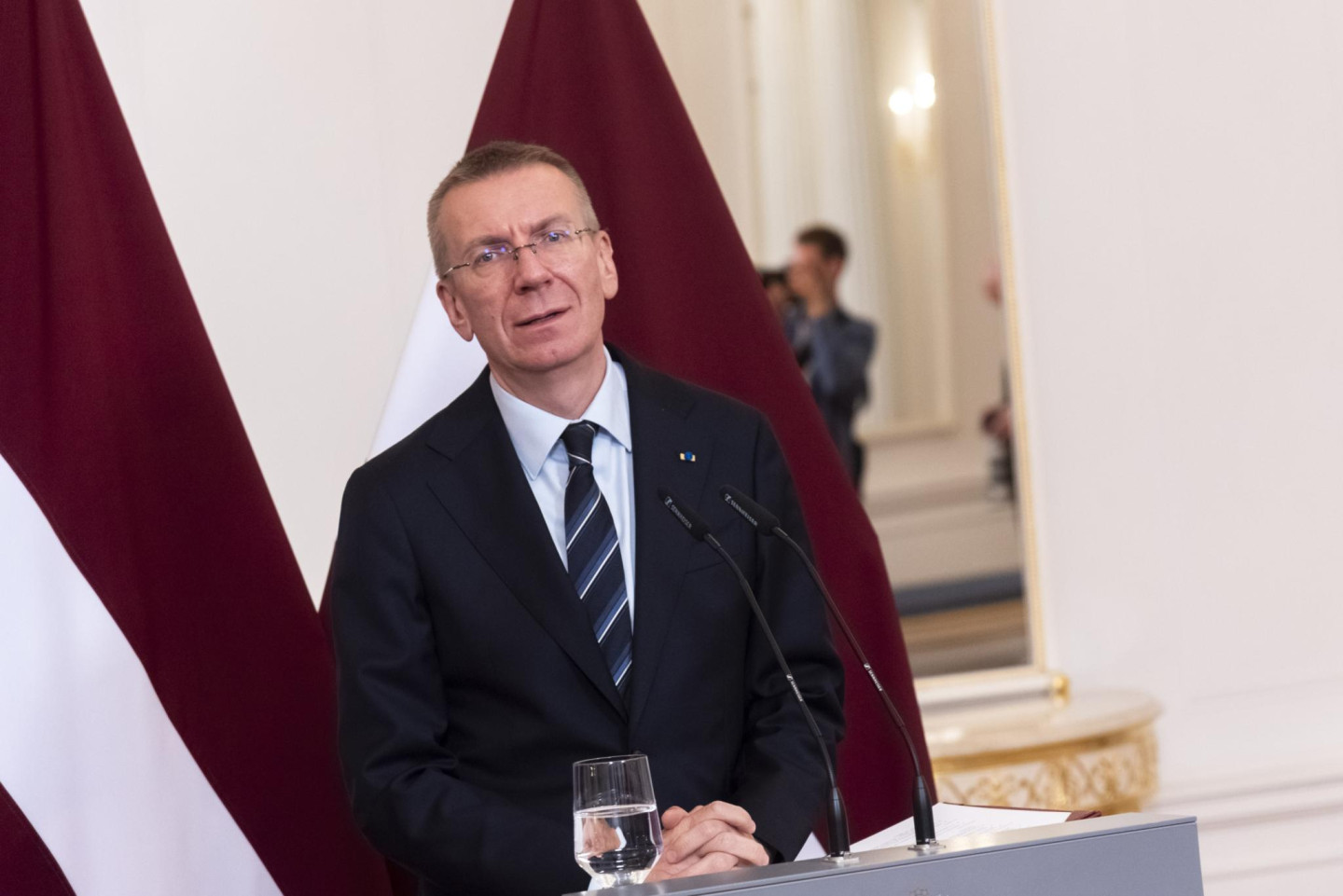
Media Ethics Council guidance on migrant terminology sparks debate on social media
Riga deputy mayor Edvards Ratnieks drew attention on X to the Latvian Media Ethics Council's recommendations on how to talk about migrants. Commenters were split, with some fearing censorship and others reading the guidance as a call for more inclusive language.
Edvards Ratnieks, a politician from the National Alliance party and deputy mayor of Riga, has drawn attention on the social network X to recommendations from the Latvian Media Ethics Council on how news media should talk about migrants. The post has prompted a debate about media language and journalists' freedom to choose their own wording.
What the council says
Ratnieks said the Media Ethics Council had examined several complaints at its July meeting and issued recommendations on expressions to use when speaking about migrants. The council notes that using the term "illegal migrants" and the phrase "breaking in" can foster negative attitudes toward migrants of any kind. The politician said he had the impression that the recommendations call on media to be more inclusive.
Discussion on social media
Other users joined the thread. Writer Liāna Langa criticised the council's approach, arguing that it unjustifiably focuses on media language rather than on possible problems caused by migration. A user named Dagne asked Ratnieks to explain how many of the people detained in the raids he mentioned really lacked the necessary documents and residence permits.
Another user, Rinalds, commented ironically on the council's stance and asked whether headlines would soon have to be submitted for censorship. Other commenters also questioned whether the recommendations were needed, expressed dissatisfaction with the council and asked whether such an approach would lead to media censorship. Several users stressed that journalists should be able to choose their own wording, while others called for tougher action against illegal border crossings.
The comments also included harsh and offensive remarks about migrants and the council's work. At the same time, one user pointed out that the council's explanation reportedly stresses the right of media and the public to choose their own wording, without always using the terminology approved by state institutions.