Human cases of flesh-eating screwworm infections in Mexico surpass 500
A new study of New World screwworm (NWS) myiasis in Mexico finds most patients are men with underlying health conditions, while six deaths have been linked to confirmed infections.
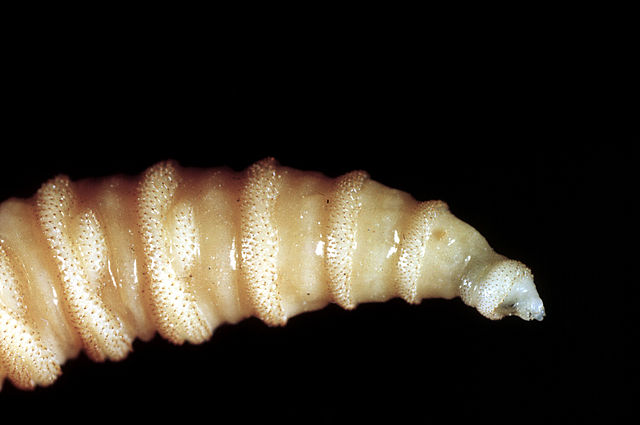
An outbreak of flesh-eating New World screwworm (NWS) fly infestations in Mexico has now produced more than 500 reported human cases. A new study examined 204 of these cases in detail, with 202 containing sufficient data for full analysis.
Who is affected
About 72 percent of patients were male, and ages ranged from 12 to 93 years, with an average of 61. Researchers found that 77 percent of patients had at least one underlying health condition, most commonly diabetes, alcoholism, cancer, or skin conditions.
The maggots most often infested the legs and feet, accounting for 55 percent of all cases. The next most common infestation sites were the head and neck, including the nose, mouth, and eyes. Fewer cases appeared in the upper limbs, trunk, ears, genitalia, and abdominal cavity.
Deaths and possible factors
Six deaths were reported among patients with confirmed NWS myiasis, though only one listed the infestation as the direct cause of death. The other fatalities occurred in patients who also had cancer, encephalitis, respiratory failure, or septic shock. The average age among those who died was 79.5 years.
Researchers could not fully explain why men appear to face higher risk, suggesting possible factors such as occupational exposure, outdoor activity, contact with animals, unattended wounds, or delays in seeking medical care. The geographic spread of human cases closely tracked the spread of reported animal cases.
The situation in the US
The United States reported its first animal cases in Texas in June, and the USDA has since logged 45 animal cases. No human NWS myiasis cases tied to this resurgence have been reported in the US so far, though travel-related cases have occurred among people returning from Central America and other regions where the fly is endemic. Researchers stress the need for proactive surveillance, diagnostic readiness, and animal movement controls, along with closer coordination between human and animal health sectors.