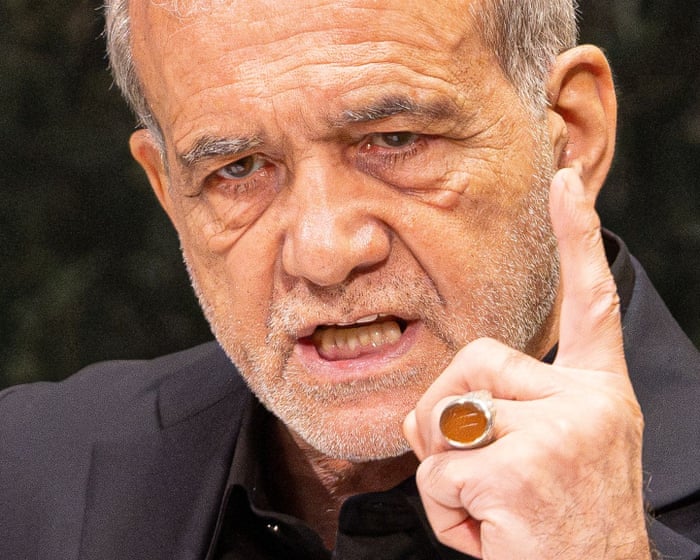
Mélenchon's allies scramble to soften his rhetoric on writing off French debt
French left-wing presidential candidate Jean-Luc Mélenchon's calls to "burn" part of the national debt have sparked controversy, prompting his economic advisers to reframe the proposal more cautiously. Meanwhile, the share of debt held by the Bank of France—the very portion Mélenchon wants written off—is shrinking fast.
French presidential candidate Jean-Luc Mélenchon, leader of the France Insoumise party, triggered controversy over the summer by saying he wanted to set part of France's sovereign debt "on fire." His economic advisers are now working to temper that language, even as Mélenchon himself keeps using sharp terms.
His proposal involves freezing, at zero interest, the portion of French debt held by the Bank of France, or converting it into perpetual debt with no repayment date and no interest owed. The Bank of France currently holds less than one-sixth of France's roughly €488 billion in sovereign debt.
Political rivals have warned the move could trigger a financial crisis or even bankruptcy if the state fails to honor its commitments. European Central Bank President Christine Lagarde, along with the heads of the German and French central banks, have said such a measure would be illegal.
Cooling the debate
Economists aligned with Mélenchon, including Eric Berr of the Institut La Boétie think tank, published an opinion piece in August emphasizing the "freeze" rather than the "fire" framing—arguing the goal is to shield part of the debt from speculative market attacks rather than cancel it outright. Mélenchon, however, continues to use "freezing" and "canceling" interchangeably, which his team says is meant to highlight multiple possible techniques.
The proposal sets Mélenchon apart from rivals who prioritize fiscal discipline. A September poll found 43% of French voters support canceling part of the debt, versus 31% opposed. Amending EU treaties to permit such a move would require unanimous approval and take time, though Mélenchon disputes that it would be illegal.
The plan faces a more immediate threat, though: the share of debt held by the Bank of France is falling fast. It stood at 18% when Mélenchon cited the figure in June but had already dropped to 15% by the end of 2025, and could fall to 11-12% as the ECB winds down its bond-buying programs. France Insoumise lawmaker Eric Coquerel warned that if the central bank no longer holds these securities, there will be nothing left to write off.