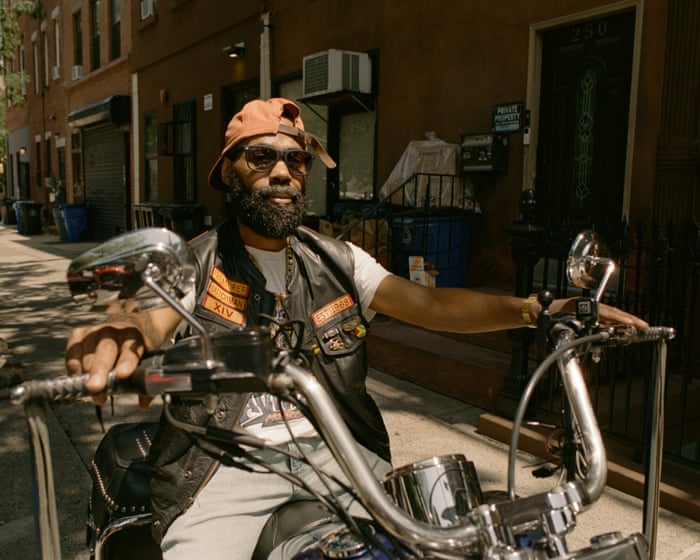
Black motorcycle clubs come alive in summer: 'The best way to build community is on two wheels'
Black motorcycle clubs across the US hold annual rides and events during summer, rooted in post-WWII history and serving as a community-building response to exclusion from white clubs.
Community and Freedom on Two Wheels
Summer is the most active season for Black motorcycle clubs in the US, with nearly every weekend featuring annual rides, picnics, and social gatherings with music and food. This culture emerged after World War II, when Black soldiers returning home sought community and adventure but faced discrimination from white motorcycle clubs and in the labor market.
Patrice “Foxy” Johnson, who about 30 years ago accidentally found herself at a bike week in Myrtle Beach, South Carolina, realized she wanted to ride herself, not just as a passenger. After returning home to Raleigh, North Carolina, she enrolled in a basic riding course and became an active member of the community, holding multiple leadership positions.
Historical Roots and Modern Clubs
One of the clubs Johnson is involved with is Black Girls Ride (BGR), founded in 2011 to support women of color in motorsports. BGR holds meetups several times a year, publishes a digital magazine and podcast, and participates annually in the Essence festival in New Orleans. The club has raised over $30,000 for charity by adopting a local Boys and Girls Club.
The Buffalo Soldiers Motorcycle Club, one of the largest with about 5,000 members, takes its name from all-Black military units established in 1866. Member Randy Hayward notes that the club organizes historic rides to sites like Black Wall Street and the home of Colonel Charles Young.
Costs and Membership
Joining a club requires purchasing a motorcycle, costing at least $10,000 for a good used model, and meeting strict requirements. Anthony “Zeke” Settle, national president of Black Stallions Motorcycle Club, explains that members must be at least 21, complete a three-month probation, and cross four state lines. Photographer Alvin C. Jacobs Jr. spent over $50,000 on his latest bike and acknowledges that high costs make it hard to recruit younger riders.
However, some find ways. Shanika “Tru” Beatty, founder of Caramel Curves, a club with 31 members in New Orleans and Atlanta, says they support each other with maintenance tips and help new riders. She emphasizes: "Motorcycling isn't just an expense to us. It's an investment in experiences, friendships, personal growth and freedom."
Lifestyle, Not Just a Hobby
Regardless of how Black bikers discovered their love for riding, it is more than a hobby—it's a lifestyle. Beatty notes: "One of the biggest misconceptions is that Black motorcycle culture is only about clubs, leather and looking tough. In reality, it's about community, family, freedom and giving back."
/nginx/o/2026/09/28/17943439t1h8ca2.png)