Meta unveils Ray-Ban Meta Gen 3 with modest upgrades and a higher price tag
Meta introduced the Ray-Ban Meta Gen 3 smart glasses at Meta Connect 2026, offering slightly longer battery life and more microphones for $449, while most new software features will also reach the older Gen 2 model.
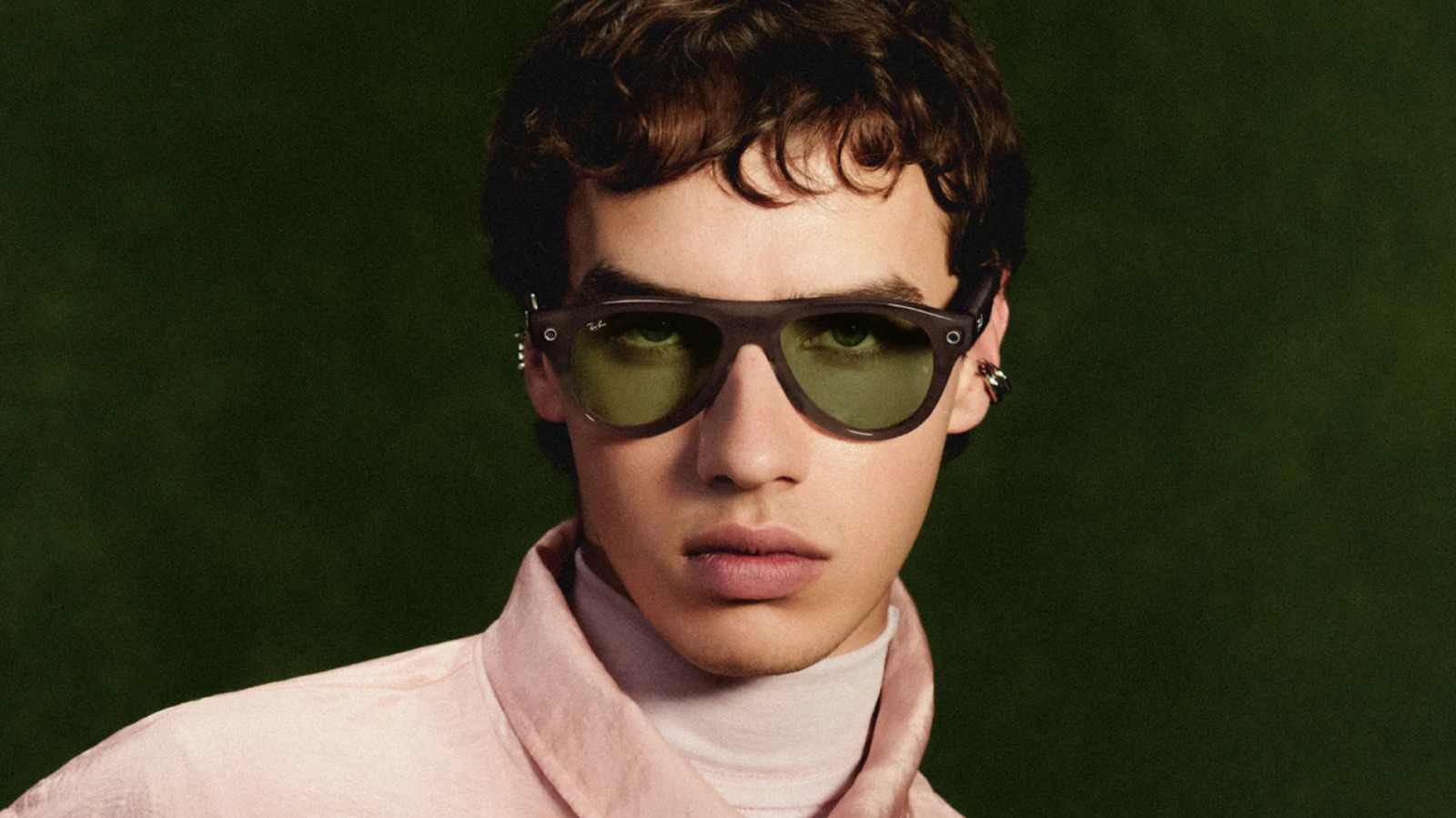
At its annual Meta Connect 2026 event, Meta announced several new smart glasses, including its first camera-free options, but the Ray-Ban Meta line remains the company's flagship product. The new Ray-Ban Meta Gen 3 largely builds on improvements rolled out over the past year through the Ray-Ban Meta Optics and the more affordable Meta Glasses, meaning most differences from the Gen 2 come down to specifications and software rather than a redesigned look.
Longer battery life, more microphones
The Gen 3 lasts up to nine hours on a single charge, an hour longer than the Gen 2, and up to 50 hours with its charging case, two hours more than before. The glasses also gain a sixth microphone, which Meta says improves background noise reduction during calls and AI interactions when paired with a redesigned microphone layout. Later in 2026, the extra microphone will also enable listening to and recording Dolby Atmos spatial audio. Meta has carried over the action button first introduced on the Ray-Ban Meta Optics and Meta Glasses, which can summon Meta AI or serve as a capture shortcut, whereas the Gen 2's button only works with camera features.
New frame styles, slightly smaller build
The Gen 3 lineup introduces two new frame styles: the thick-framed Aviator, available in translucent and tortoiseshell colors, and the cat-eye-shaped Zena. The classic Wayfarer remains the only style carried over from the Gen 2. Comparing Wayfarer models, the Gen 3 frame is slightly narrower and has shorter temples than the Gen 2, though it is marginally heavier.
Software features extend to older models
Most of the newly announced features — including the FDA-cleared hearing enhancement tool, the Muse AI assistant, and a new dynamic photo capture mode — will also be available on the older Gen 2 glasses. With the Gen 3 starting at $449, $70 more than the Gen 2, justifying an upgrade may be difficult, and buyers who don't need prescription lenses could get better value from a used Gen 2 pair.