MIT: the brain's nighttime cleaning system weakens with age
A study by the Massachusetts Institute of Technology (MIT) finds that the cerebrospinal fluid waves that help clear waste from the brain during sleep are significantly weaker in older adults than in younger ones. Researchers want to learn whether this is linked to Alzheimer's disease and other forms of dementia.
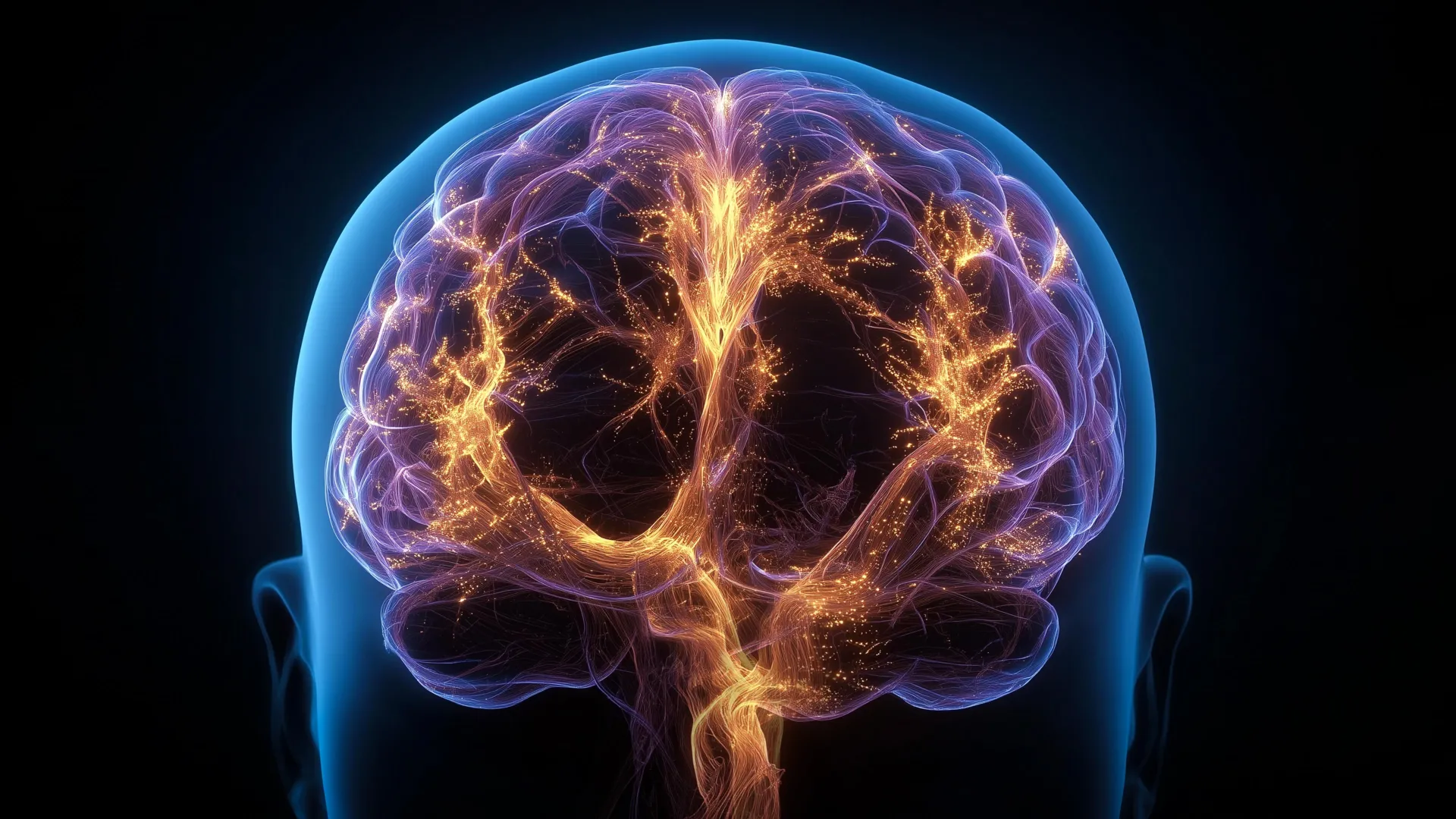
Scientists at the Massachusetts Institute of Technology (MIT) in the United States have found that the pulses of cerebrospinal fluid (CSF) that help carry waste out of the brain during deep sleep are considerably weaker in older people. The study, published in the journal Nature Aging, raises the question of whether a less effective cleaning system could contribute to Alzheimer's disease and other forms of dementia.
How the study worked
The team recruited two groups of volunteers: younger participants aged 18 to 39 and older participants aged 60 to 84. Each session lasted about two hours and began late at night so that people would be likely to fall asleep during the measurements. Functional magnetic resonance imaging (fMRI) tracked blood flow, a specialized MRI method developed by researcher Laura Lewis measured fluid movement, and electroencephalography (EEG) recorded electrical activity.
In younger adults, slow brain waves strengthened as they entered deep sleep and were accompanied by larger waves of cerebrospinal fluid. In older adults, the average fluid waves were substantially smaller. The difference cannot be explained simply by older people sleeping less.
Possible causes
The researchers then examined how blood vessels in the brain respond. When volunteers viewed a flickering checkerboard pattern, many older participants showed the expected rise in electrical activity, but a much smaller increase in blood flow. In a breath-holding test, blood flow in the older group also rose less. A statistical model showed these two factors account for much of the drop in fluid movement, though not all of it, suggesting other age-related changes are involved.
What it means
None of the volunteers had been diagnosed with a neurodegenerative disorder, but some older participants showed signs of gray matter atrophy, which were linked to larger reductions in fluid movement. The researchers stress this does not establish that weaker flow causes tissue loss or dementia. Some older volunteers had fluid waves comparable to healthy young adults, and the team wants to understand what sets them apart. They also plan to follow some participants over time and to explore whether the process can be improved, for example with sound stimulation during sleep.