Parents share monthly spending on kids' clubs: from zero to hundreds of euros
Latvian parents on the social platform Threads have shared what they pay for children's clubs, from free school activities to over 200 euros a month for hockey. Research suggests out-of-school activities support child development.
On the social media platform Threads, a user asked how much money families spend each month on their children's extracurricular clubs. The replies reveal a wide gap in costs: some parents pay nothing, while others pay hundreds of euros. The discussion, reported on 17 November, highlights how affordable after-school activities are for families with children in Latvia.
What parents pay
Alīna writes that her daughter's two private clubs cost about 150 euros, plus 45 euros at kindergarten, while her son pays 25 euros at kindergarten. Events and costumes add further costs. She notes that the 100-euro family benefit is very helpful for this purpose.
Marsela pays 0 euros because she uses school clubs: animation, draughts, computing, ensemble, paper crafts and painting. Randa says she used to spend about 200 euros a month on private clubs, but this year, by choosing municipal ones, two children's clubs cost 10 euros in total.
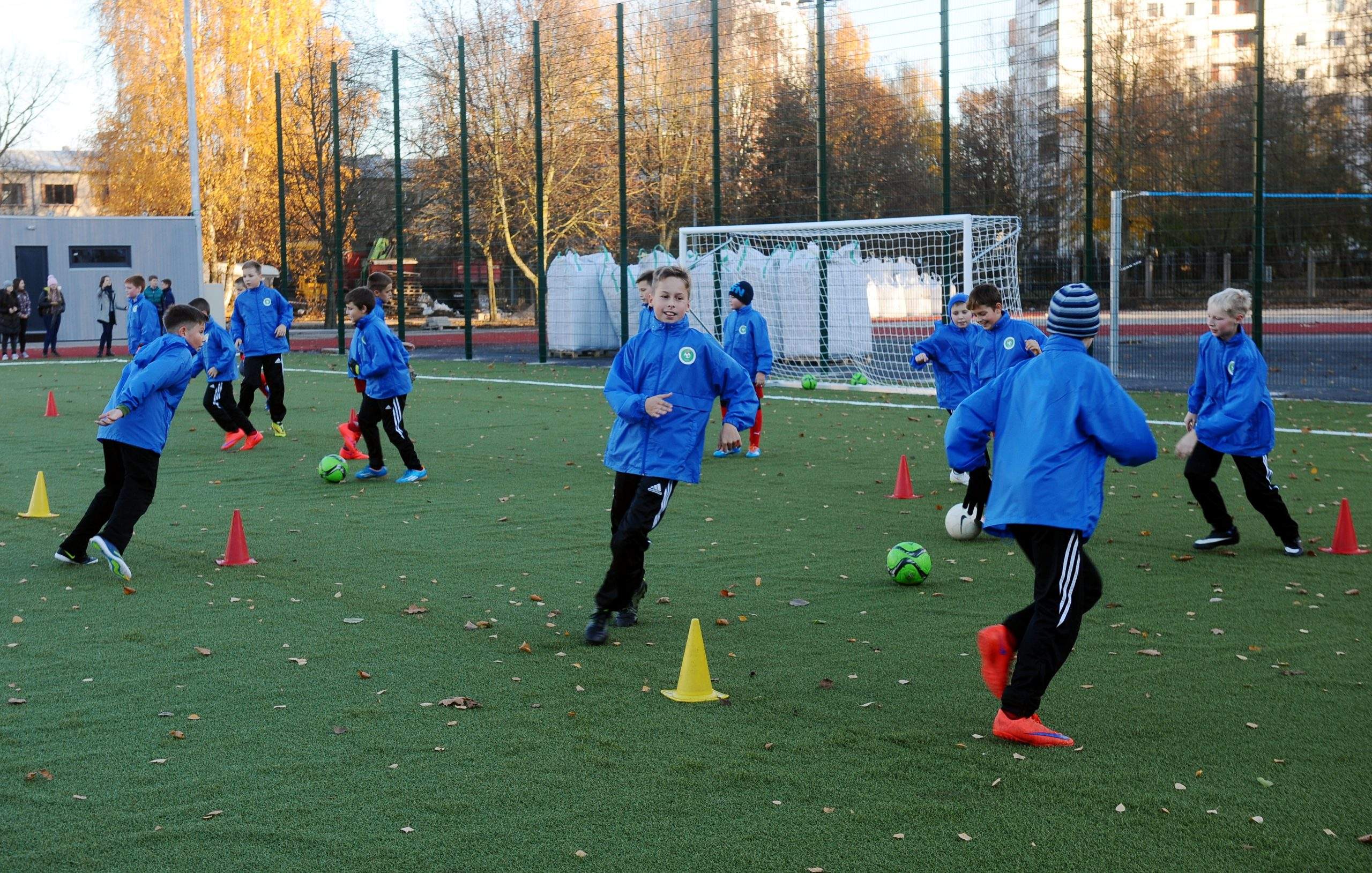
Ilze's children train in hockey: her daughter's municipal team costs 105 euros a month, her son's private team 240 euros. Commercial tournaments and equipment cost extra. Amanda says she spends 180 euros a month on one child's clubs. Laura mentions football at 75 euros a month, tournaments in Latvia at 25–50 euros, trips to tournaments in Estonia and Finland costing several hundred euros, plus basketball and draughts at 27 euros.
What research shows
A 2024 report by the Organisation for Economic Co-operation and Development (OECD), which analysed the social and emotional skills of 10- and 15-year-old students, found that children who take part in out-of-school activities have higher skill levels on average. This applies to creativity, curiosity, persistence, responsibility, empathy and the ability to cooperate.
A study published on 2 November in the journal Journal of Youth and Adolescence combined 117 earlier studies with data on 332,930 children and young people. Participation in organised out-of-school activities was linked to higher grades, better standardised test results and a higher level of education in the long term. No statistically significant link with school attendance was found.
The source article notes that this does not mean a child should be enrolled in as many activities as possible. It is more important to choose one that matches the child's interests, since an overly packed schedule leaves little time for rest, play and family.