MIT researchers uncover mechanism that helps colon cancer spread
Biologists at the Massachusetts Institute of Technology (MIT) report in Science how colon cancer cells use the protein YAP1 to spread to other organs. A high-fat diet boosted the process in mice, and the team hopes to develop drugs that block it.
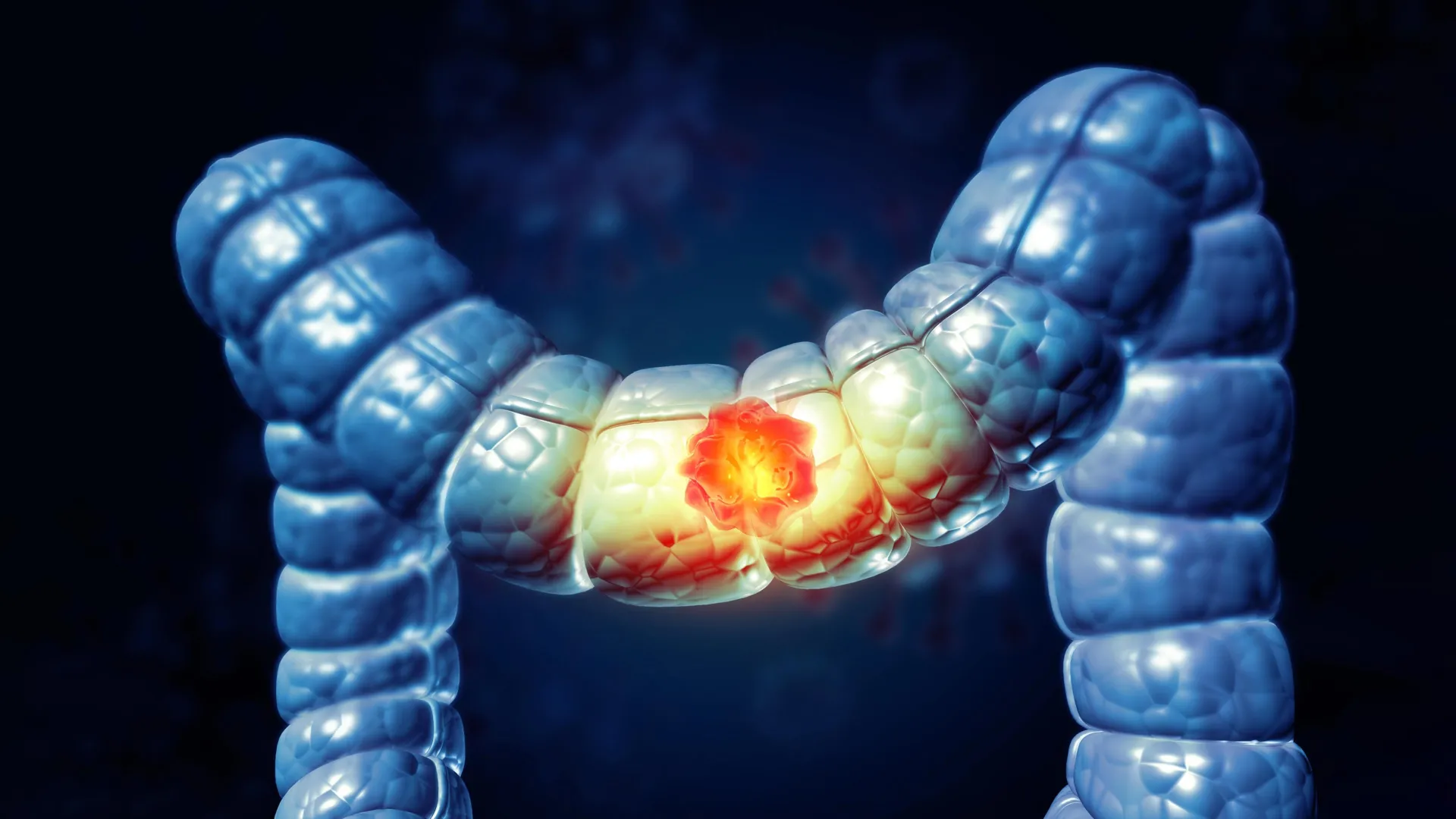
Scientists at the Massachusetts Institute of Technology (MIT) have identified a mechanism that allows colorectal cancer to spread to other organs. The findings, published in the journal Science, could point to a way of preventing the disease's deadliest complication, since most colon cancer deaths occur when tumor cells invade other organs, particularly the liver.
At the center of the mechanism is the protein YAP1, which regulates a biological program that normally helps damaged tissue heal. Cancer cells hijack this repair process to multiply, move and establish tumors elsewhere in the body.
How the mechanism works
The team studied tumor organoids, which are miniature three-dimensional tumor models grown from patient cells, along with mouse models. Across all of them, metastatic cells showed increased activity of the YAP1-governed program.
In mice fed a high-fat diet, YAP1 activity in colon cancer cells was substantially higher than in mice on a healthy diet. Dietary fat stimulates enzymes that produce ceramides, fatty molecules that disable a mechanism normally keeping YAP1 inactive. YAP1 then enters the cell nucleus and activates genes behind the regenerative program.
When the scientists genetically targeted YAP1 or the genes responsible for ceramide production, the ability of cancer cells to form tumors in mouse livers dropped substantially.
Evidence from patients
Using RNA sequencing data from colorectal cancer patients, the researchers found the YAP1 program was more active in metastatic cells. Patients with a higher body mass index showed greater activity of YAP1-regulated genes than patients of normal weight, and higher activity was linked to poorer survival.
What comes next
The researchers hope to develop drugs that block DEGS1 and DEGS2, two enzymes involved in ceramide production. They stress, however, that the findings do not yet support dietary recommendations for people with colon cancer. Because ceramides perform essential functions in healthy tissue, any such drug would need to be highly selective. The work was funded by the US National Institutes of Health/National Cancer Institute, the MIT Stem Cell Initiative and other sources.