National Alliance demands PM's explanation on immigration plan delay, Kulbergs cites unfinished approvals
Latvia's National Alliance is demanding Prime Minister Andris Kulbergs explain why the Interior Ministry's immigration restriction plan was pulled from the government's agenda, while Kulbergs says the document still lacks approval from several institutions.
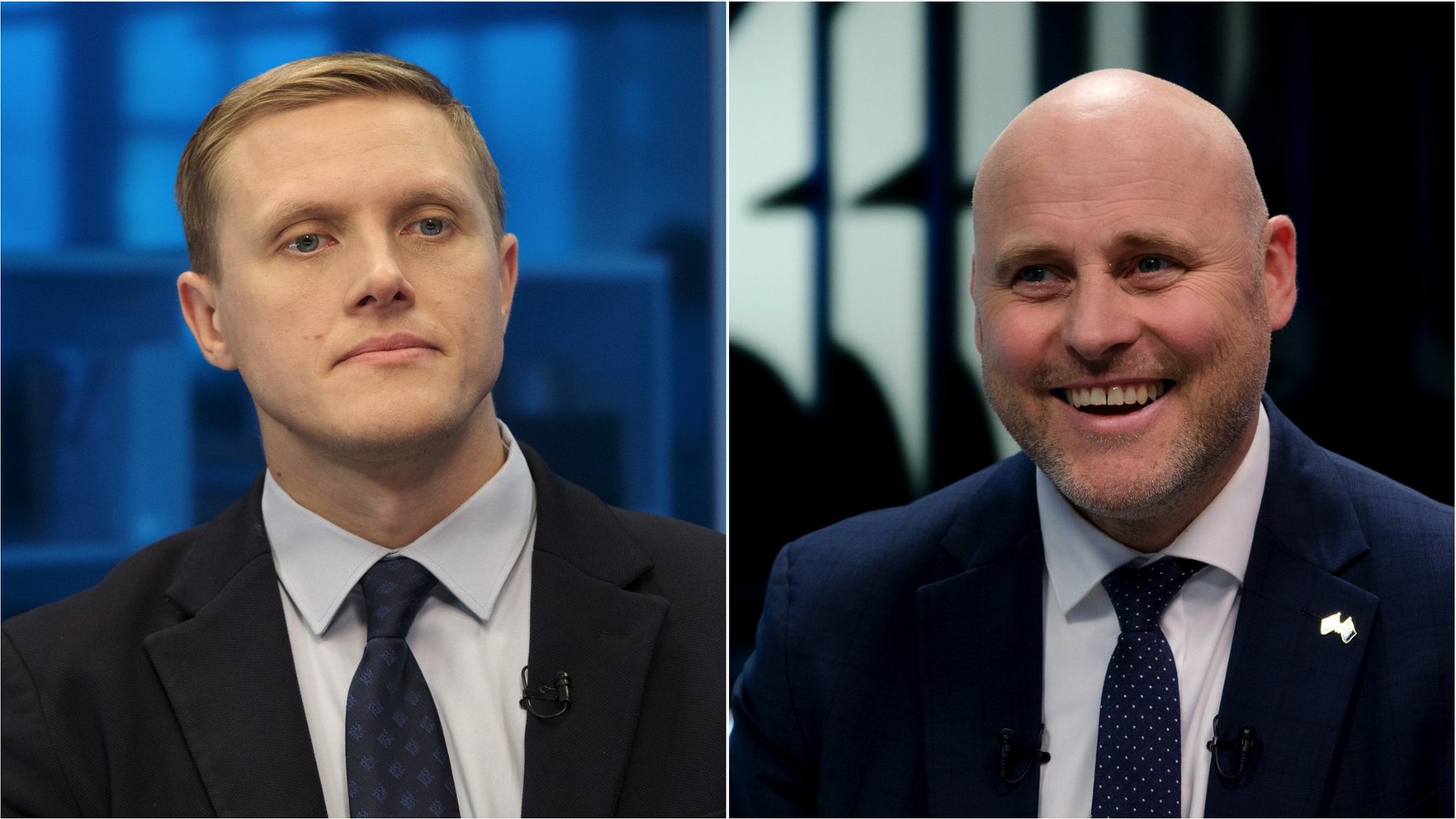
At Monday's coalition meeting, a proposal on restricting immigration prepared by Interior Minister Jānis Dombrava (National Alliance) was discussed but not forwarded to the government session. Prime Minister Andris Kulbergs then sharply criticized Dombrava and the National Alliance on social media, saying the party's actions resembled theater rather than a genuine push for results on migration.
National Alliance seeks answers
In a statement issued Tuesday, the National Alliance said drafting the immigration plan had been part of the government's action plan with a set deadline, making its postponement without explanation unacceptable. The party noted the document had been available for interagency approval on the legislation portal since July 24, disputing claims that the process was unfinished. Deputy chairman of the party's parliamentary group, Artūrs Butāns, said restricting immigration was one of the party's key demands when the coalition was formed, and decisions should not be delayed due to objections from narrow economic groups or individual politicians. The National Alliance said it would invite the prime minister to a meeting to confirm that decisions on immigration will no longer be postponed, and called for more respectful communication.
Kulbergs' response
Kulbergs' office stated that the government's political goal on migration has not changed and that stricter control over the entry of third-country nationals remains necessary. However, the prime minister noted the Interior Ministry's informational report was submitted to the government system only about ninety minutes before the coalition meeting, and approval from several ministries and institutions had not been completed. The document contains more than 70 measures, some of which touch on EU regulations that cannot be decided by the interior minister alone.
According to the prime minister's office, objections were raised by the State Chancellery, the Ministry of Economics, the Ministry of Foreign Affairs, and employer organizations — mainly concerning the legal grounding of specific proposals rather than the need for tighter immigration control itself.
/nginx/o/2026/09/01/17889650t1h4e94.jpg)
