Latvian Futures Event Discusses How AI Can Help Small Countries Compete
At the “Futures Afternoon 2026” event, speakers discussed how artificial intelligence and digital transformation could strengthen Latvia's competitiveness. Malta's digitalisation experience featured prominently.

The “Futures Afternoon 2026” event examined how artificial intelligence (AI) and digital transformation can support Latvia's prosperity, competitiveness and long-term economic growth. Government officials, university representatives and foreign experts took part.
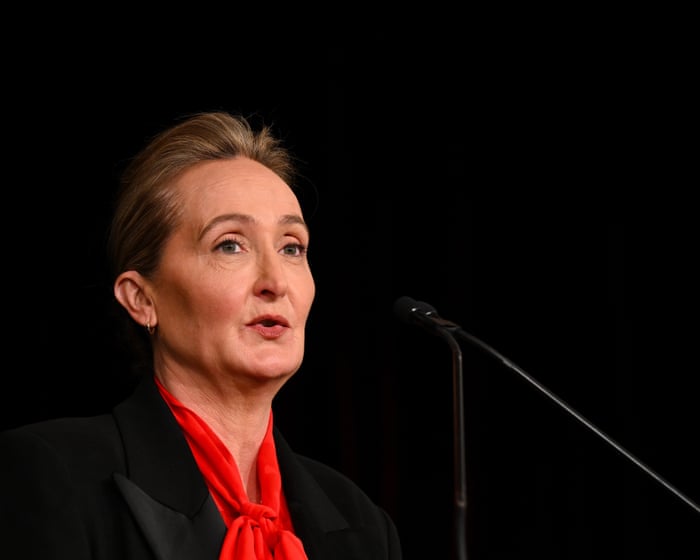
Zane Driņķe, rector of the Turība Business University, said that thoughtful use of AI is especially important for a small country, both in education and lifelong learning and in creating innovation. In her view, the key to success is the ability to learn new skills, experiment, make mistakes and learn from them. She said Latvian entrepreneurs have already shown these abilities, so local innovators can bring their ideas straight to the global market.
Speeches and presentations
Prime Minister Andris Kulbergs opened the event with a speech. He stressed that AI gives small countries the chance to react quickly and adapt to global challenges.
International education expert Dr. Jeremy G. House spoke about the digital transformation of the education system, with an emphasis on data processing, data-based decision-making and the role of private schools as innovators. Jonathan Tedesco, information technology director at the Maltese Prime Minister's office, presented Malta's experience. Targeted development of state digital infrastructure has made Malta one of Europe's most digital countries, and its residents are open to new technologies, including AI solutions. At the same time, Malta continues to assess the usefulness of digitalisation and its benefits for residents.
Panel discussion
In the panel, Krists Avots, parliamentary secretary to the Prime Minister, Aigars Rostovskis, owner of Turība, and Jonathan Gerada, AI director at the Maltese Prime Minister's office, discussed adapting education content to the needs of future employers, including the general skills of the public.
Avots welcomed Malta's approach of developing sector digitalisation leaders. He said Latvia could act similarly in public administration: rather than trying to give everyone a baseline level, it could build a community of digital transformation leaders made up of proven professionals. He added that Malta and Latvia can learn from each other, as both face similar challenges, such as limited resources.
About futures thinking
“Futures Afternoon” is held for the third year. Its aim is to put into practice the foresight approach, an internationally recognised strategic planning method that helps develop sustainable development scenarios and make decisions with future challenges in mind. The organisers believe it can also become a tool in Latvia for cooperation between science, innovation, business and public administration.