Only 10 of 67 Narva Candidates Pass Estonian C1 Language Exam
In September's Estonian-language C1 exam, only 10 of 67 candidates in Narva passed, compared with 105 of 358 nationwide. Teachers and the exam authority Harno point to a lack of language environment and the exam's demands.
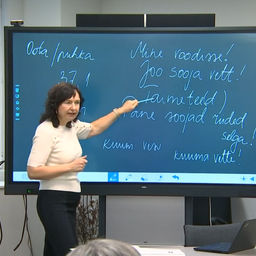
Results of the September Estonian-language exam at the advanced C1 level have been published in Estonia. Nationwide, 358 people sat the test, and 105 of them reached the 60-point pass mark. In Narva, a city in eastern Estonia on the Russian border where Russian is widely spoken, the pass rate was about half as high: only 10 of 67 candidates succeeded, according to the news programme "Aktuaalne kaamera +".
A candidate's experience
Anastasia Vorobyova moved to Narva from Ukraine about four years ago and began learning Estonian only after arriving. Preparing for the C1 exam took her a little over three years. She failed on her first attempt but passed on the second. Vorobyova, a student at the Narva College of Tallinn University of Technology, says she was not ready the first time. In her view, what helped was not cramming but regular practice: classic literature in the original, educational videos and conversations with a language mentor, plus two months of study in Tartu.
What C1 demands
Specialists explain that while at B2 level a person can communicate in everyday and work settings, C1 requires speaking freely on any topic and keeping up with society, politics and culture. Daria Berestova, head of the B-Lingua language school, says chances are higher for those who scored above 80 on the B2 exam and completed a full course of 200–250 contact hours.
She says Narva lacks a language environment compared with Tartu and Viljandi. Inguna Joandi, a teacher at Narva College, disagrees and argues that people can build such an environment themselves through television, radio and conversations with Estonian speakers. She also names a common mistake in the oral part: instead of giving a presentation on the assigned topic, candidates start talking about themselves.
Changes from next year
Maiki Udam of Harno, the Estonian education and youth board, notes that the exam uses authentic materials from radio, television and the press. From the new year, repeat attempts starting with the third will be paid. Harno expects the number of participants to fall.