Narva residents worry about border closure: parents and children left in Russia
Estonia will close its road border crossings with Russia on 1 December, and Narva residents say this complicates visits to ill or elderly relatives. The city's mayor is calling for a humanitarian exemption mechanism.
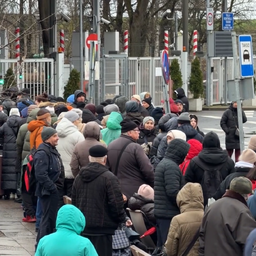
Estonia's government will close road border crossings with Russia from 1 December, leaving residents of the border city of Narva with relatives on the other side in a difficult position. The ETV+ programme "Narodu vazhno" on Estonia's public broadcaster reported on Saturday, 21 November. The government explains the decision by threats to national security.
The restrictions will affect five checkpoints, including Narva. The government intends to review the decision after six months. It also acknowledges that the measures will hit Narva, Setomaa and other border areas hardest, and promises to help them adapt to the new conditions.
Families on both sides of the border
For many residents of Ida-Viru County, trips to Russia are not tourism but family obligations. One woman said her 85-year-old in-law lives alone in Russia and needs help. After 1 December, she does not know how she will provide it.
Another Ida-Viru resident is travelling to St Petersburg to look after her 96-year-old mother for a month, replacing a sister who currently cares for her. She does not yet know how she will return to Estonia. Her children have promised to bring her back, even via Istanbul.
A man helping a relative set off described the closure as inhumane towards people whose families have ended up on opposite sides of the border.
Calls for humanitarian exceptions
Some residents hope the authorities will still allow border crossings on humanitarian grounds. For now, it is unclear how such a mechanism would work or which documents would be needed to prove that a trip is necessary.
Narva Mayor Jaan Toots stresses that a solution is needed for humanitarian travel, since residents of Narva and other Ida-Viru towns have parents, grandparents and children across the border. He noted that people need to go when someone is giving birth or dying, and said this is not tourism.
Katri Raik, an opposition member of the Narva city council, believes the government should have spoken directly with border-area residents before making its decision.