Narva mayor and Estonian interior minister clash over closing Russian border
Narva Mayor Jaan Toots says closing the road border crossings with Russia punishes Estonia's own residents, while Interior Minister Igor Taro defends the move as a response to the threat from Russia.

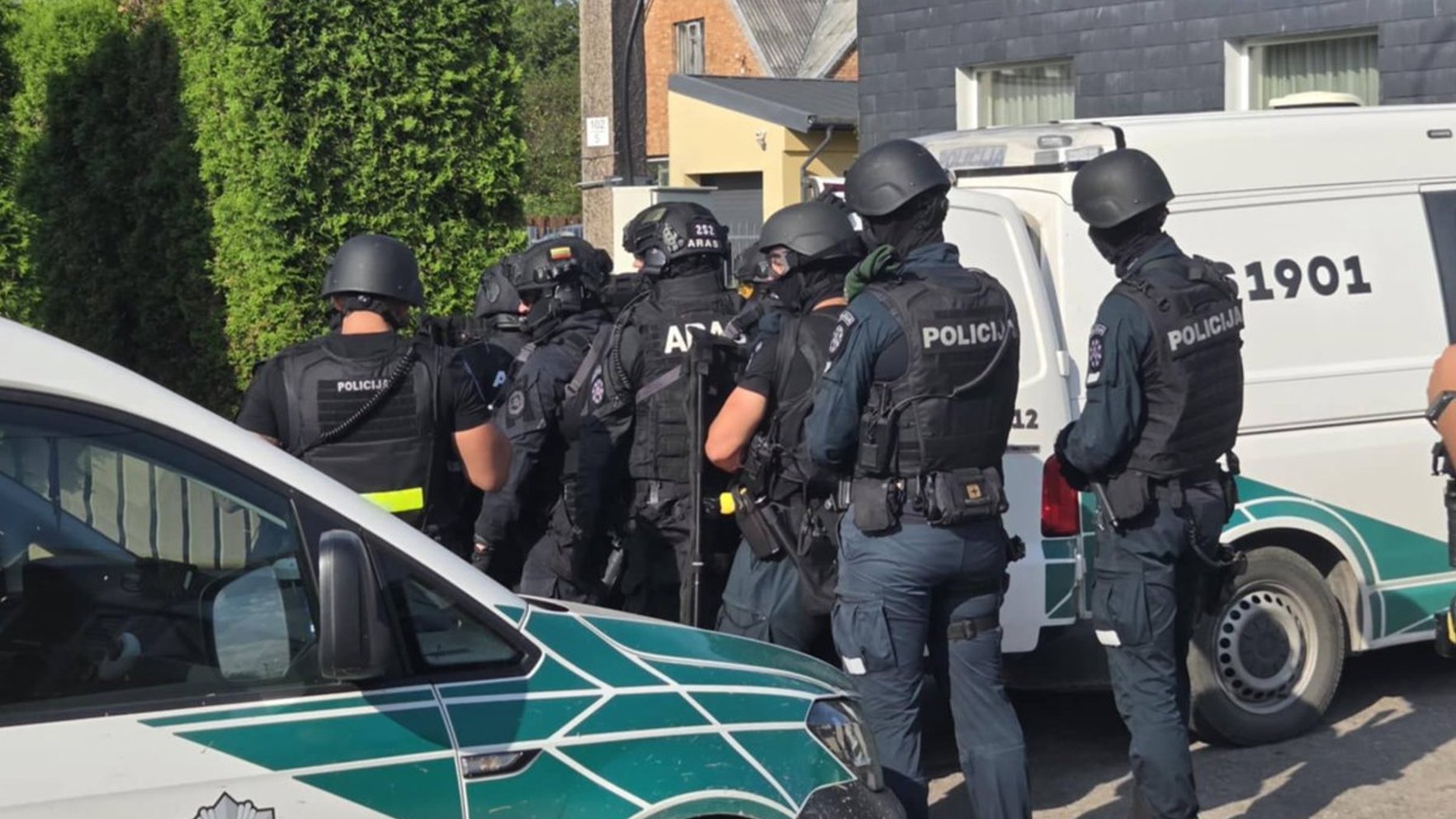
Jaan Toots, mayor of the border city of Narva (Center Party), and Interior Minister Igor Taro (Eesti 200) debated the government's decision to close Estonia's road border crossings with Russia on Wednesday on the public broadcaster ERR's programme "Otse uudistemajast". The government made the decision last Friday, following the mid-November attack on defense company Threod, whose facility is a drone factory.
The mayor's objections
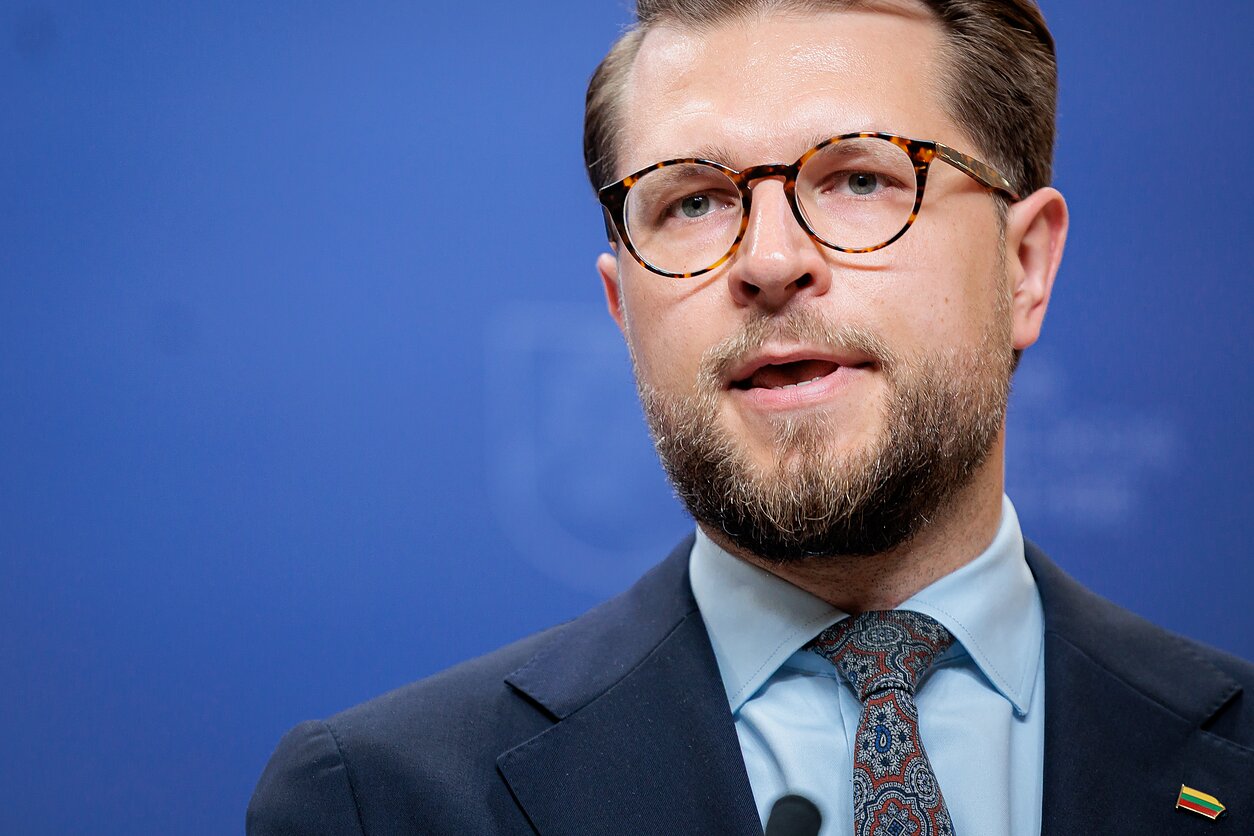
Toots said he does not dispute the government's security decisions in general, but opposes shutting the border to Estonia's own residents. In his words, many people in Narva and southeastern Estonia have relatives on the Russian side, so the government could make an exception for Estonian citizens and residents. He also noted that Latvia's border with Russia will stay open, and argued Estonia should therefore introduce temporary checks on its border with Latvia, since some people linked to the Threod incident had entered from that direction. Latvian Prime Minister Andris Kulbergs criticized Estonia's decision on Wednesday as hasty.
Toots also warned of economic consequences. If Russia retaliated by halting rail traffic, the rare earths plant in Sillamäe would stop, and it supplies raw materials to a magnet factory in Narva that employs 380 people.
The minister's reply
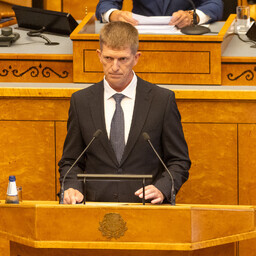
Taro said Russia runs intelligence operations against Estonians at border crossings and its security services have tried to recruit many of them. He acknowledged that the decision affects people, but said it results from Russia's aggression, and suggested Latvia could also close its crossings. The minister said the government will discuss measures in the coming weeks to help border-region businesses and municipalities, including Narva and Setomaa. He added that domestic security services will now spend less counterintelligence effort monitoring who crosses the border.
Both politicians tied each other's rhetoric to the Riigikogu elections in March.