NASA calls off mission to rescue Swift gamma-ray observatory
NASA and startup Katalyst Space Technologies have abandoned their plan to save the aging Swift gamma-ray telescope from an uncontrolled reentry, after the rescue satellite Link suffered attitude control failures that left it unable to complete the job.
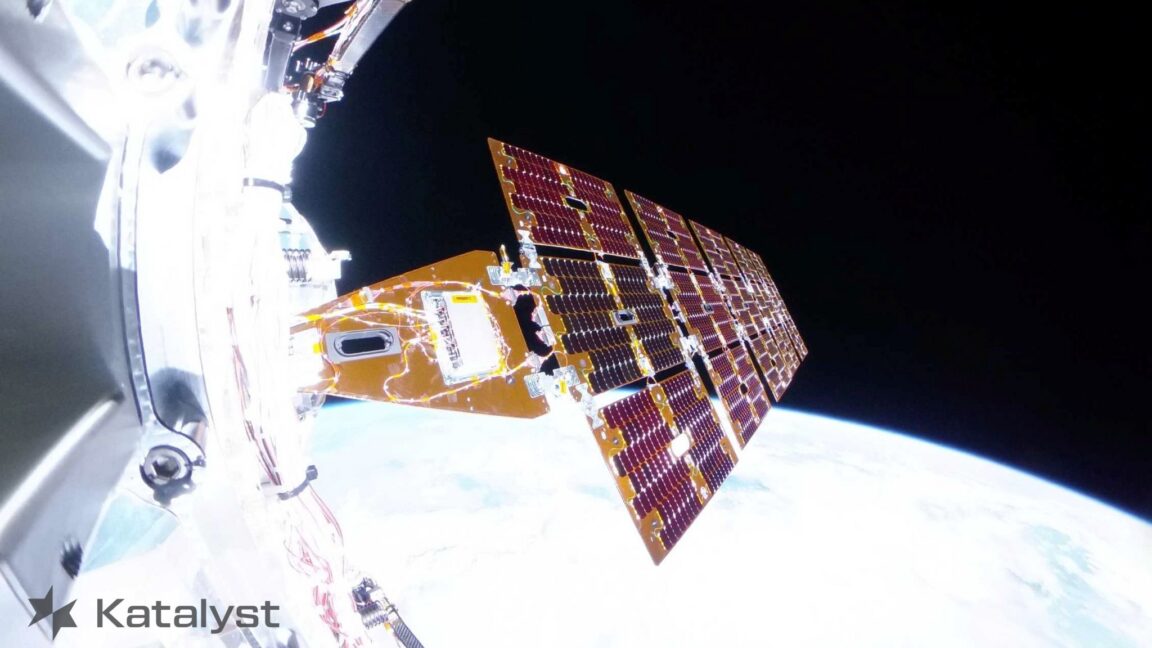
NASA and space startup Katalyst Space Technologies announced Wednesday that they are ending a robotic mission designed to save NASA's Neil Gehrels Swift Observatory from burning up in Earth's atmosphere.
The rescue spacecraft, called Link, launched on July 3 with a plan to approach Swift, grab it using three robotic arms, and lift it into a higher, safer orbit. About the size of a refrigerator, Link carried two solar arrays for power and three xenon-fueled electric thrusters intended to push Swift into a safer orbit.
Katalyst said Wednesday that "ongoing attitude control issues" would prevent Link from finishing its rescue task. The spacecraft remains operational, and the company said it intends to make use of its remaining capabilities, potentially including a demonstration of its close-proximity navigation system near Swift.
A mission built on tight margins
The rescue effort was considered risky from the outset. NASA had awarded Katalyst a $30 million contract less than a year earlier to design, build, and launch Link, with a hard deadline to reach Swift before it fell out of orbit and disintegrated in the atmosphere.
NASA Administrator Jared Isaacman said the agency should be willing to act quickly and accept calculated risks when the potential payoff justifies it, adding that the outcome does not diminish the value of having attempted the mission.
Building a first-of-its-kind satellite typically takes several years, but Katalyst managed it in nine months — a compressed schedule that forced engineers to accept technical risks they might otherwise have avoided.
The spacecraft performed normally during its first weeks in orbit, but in late July it suddenly lost control of its orientation. Katalyst has not disclosed the cause, but two of the satellite's three reaction wheels, used for attitude control, stopped functioning. Additional problems affected the cold gas thrusters responsible for fine pointing, leaving only the craft's three low-thrust plasma engines available to regain control while it traveled around Earth at nearly 5 miles per second.