NASA's Moon plan takes shape, but key questions remain open
After SpaceX's first successful mid-air catch of a Starship rocket, NASA is refining its Artemis programme plan. Artemis III becomes an Earth-orbit test, while the first crewed lunar landing is now planned for Artemis IV by the end of 2028.
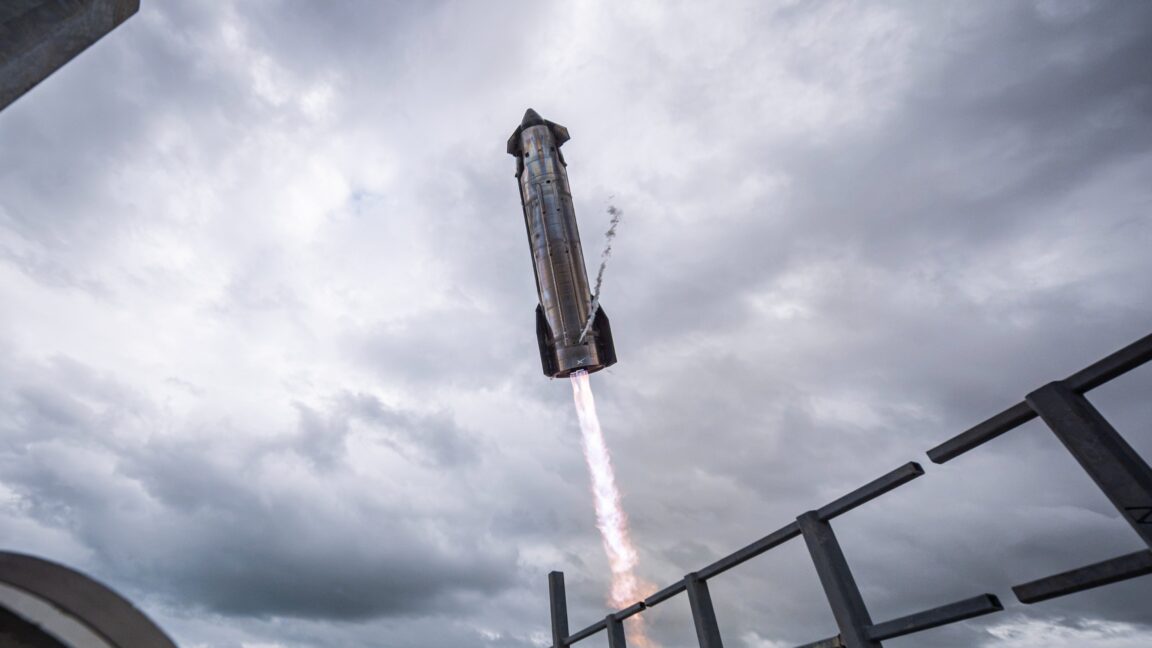
The US space agency NASA is firming up its Artemis Moon programme after SpaceX, on Saturday, 14 November 2026, caught a Starship rocket in mid-air at its launch tower for the first time, at Starbase in Texas. The success opens the way to higher launch rates and to an orbital refuelling demonstration planned for next year, which is essential if Starship is to serve as a lunar lander. That demonstration has slipped by two years from the late-2024 timeline.
Early next year SpaceX plans to bring a second Starship launch site online at Kennedy Space Center in Florida, where a second Starship factory is also being built. NASA expects a faster launch cadence to speed up learning while the company develops a version of Starship to carry astronauts to the lunar surface.
Artemis III becomes an Earth-orbit test
Earlier this year NASA changed the Artemis III plan: it is no longer a lunar flight but a mission in low-Earth orbit. A four-person crew will fly on the Space Launch System rocket and Orion spacecraft, first docking for two days with Blue Origin's Blue Moon lander to test its life support systems. Orion will then stay attached to SpaceX's Starship for two hours, and the astronauts will not enter it. The first crewed Moon landing is now set for Artemis IV, targeted for launch before the end of 2028.
Steve Creech, programme manager for NASA's Human Landing System, explained that this split lets SpaceX stay focused on orbital propellant transfer, while Blue Origin has little experience with life support and will test it. NASA has added new requirements: SpaceX is building a crew cabin prototype called Cabin One, and Blue Origin will hot-fire a three-engine configuration in a vacuum chamber in Ohio.
A simpler architecture
NASA dropped a 90-day loiter in lunar orbit that complicated the landers' work. The initial surface stay has been cut from six and a half days to four. Orion will now meet Starship in high-Earth orbit. It is still unclear whether Starship must be refuelled above low-Earth orbit. NASA has not decided which lander to use on Artemis IV, and it is unclear whether the new Centaur upper stage will be ready in time. Both landers must complete an uncrewed landing demonstration, planned for late 2027 or early 2028, that includes a lunar takeoff.