NASA psychologist Suzanne Bell: a day in the life ahead of Artemis missions
Dr. Suzanne Bell, an organizational psychologist who leads the Behavioral Health and Performance Lab at NASA’s Johnson Space Center, balances a disciplined morning routine with groundbreaking research for lunar and Mars missions.
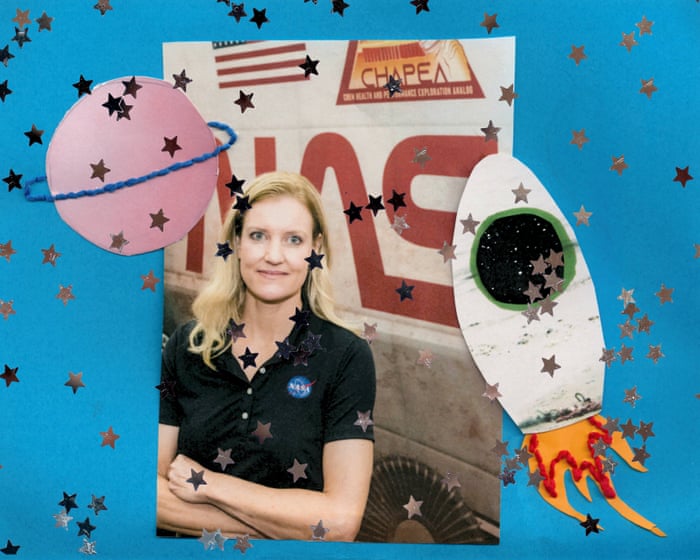
Dr. Suzanne Bell, an organizational psychologist, heads the Behavioral Health and Performance Laboratory at NASA’s Johnson Space Center. Her mornings are carefully structured: she wakes up without an alarm at 5 a.m. daily and spends from 5 to 7:15 a.m. sipping a latte, working, reading, or handling personal tasks. This uninterrupted two-hour period is vital for her.
Bell is the principal investigator for Artemis research, focusing on crew health and readiness. Data collection from the Artemis II crew – the first to travel beyond low-Earth orbit in 50 years – finished about a month ago. The human research program required a quick briefing, and Bell’s team reported on necessary steps before Artemis III.
The lab is now working on sustained lunar presence and setting up a moon base, with existing data already informing construction approaches. Bell finds deep-space research exciting because it uses data from people who have actually traveled beyond Earth orbit.
Due to a busy schedule, she had no lunch break and grabbed a salad on her way to a meeting. She follows a healthy 'Daily Dozen' diet, avoiding flour and sugar except on special occasions.
She leaves the office around 5 p.m. to prioritize time with her two teenagers, aged 13 and 15, who are active in sports. They go to the gym together and do indoor climbing. Bell goes to bed early, falling asleep by 9 or 9:30 p.m., and catches up on rest during weekends. 'It’s not rocket science,' she notes.
/nginx/o/2026/10/01/17949577t1h808f.webp)
