NASA's X-59 reaches speed and altitude milestones ahead of first quiet supersonic flights
The X-59 research plane hit Mach 1.4 and 55,000 feet in a test flight, moving closer to its Quesst mission over populated areas.
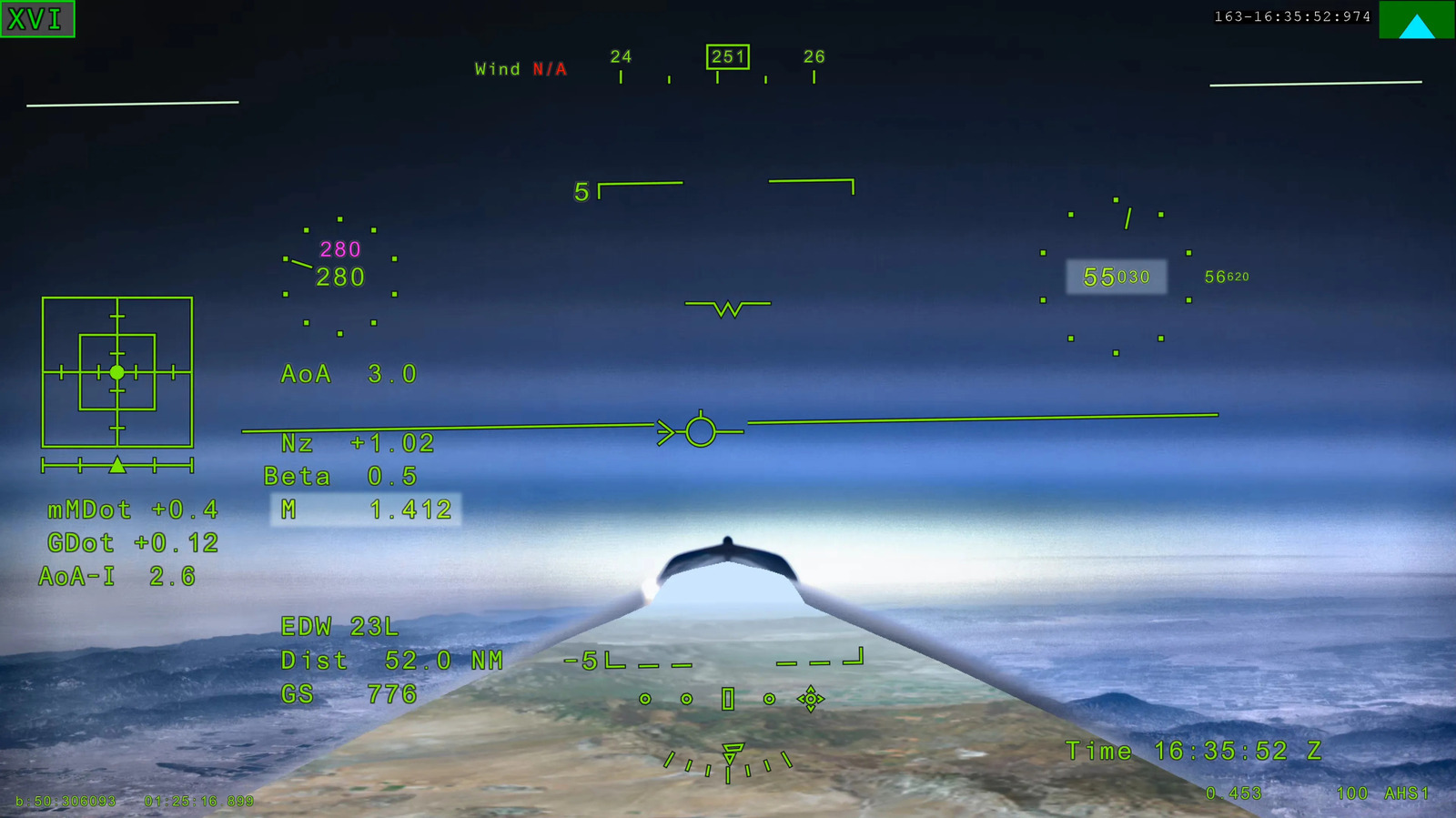
NASA's X-59 research aircraft, designed to fly at supersonic speeds without a loud sonic boom, has achieved key speed and altitude targets. In a test flight on Friday, it reached Mach 1.4 (about 924 mph) and an altitude of 55,000 feet. This follows a June 5 flight where it hit Mach 1.1.
The X-59 is intended to produce a "quiet sonic thump" instead of a traditional boom. During current tests, it flies alongside another research craft that generates a sonic boom to mask any noise from the X-59.
NASA stated that this latest test was a more critical step than the previous one, as it met essential conditions for the upcoming Quesst mission. That mission, still months away, will see the X-59 fly over populated communities to gather public feedback on the sound.
Before the Quesst mission, the plane will undergo an acoustic validation phase, where the team will measure its supersonic acoustic signature to confirm it breaks the sound barrier without a conventional sonic boom.