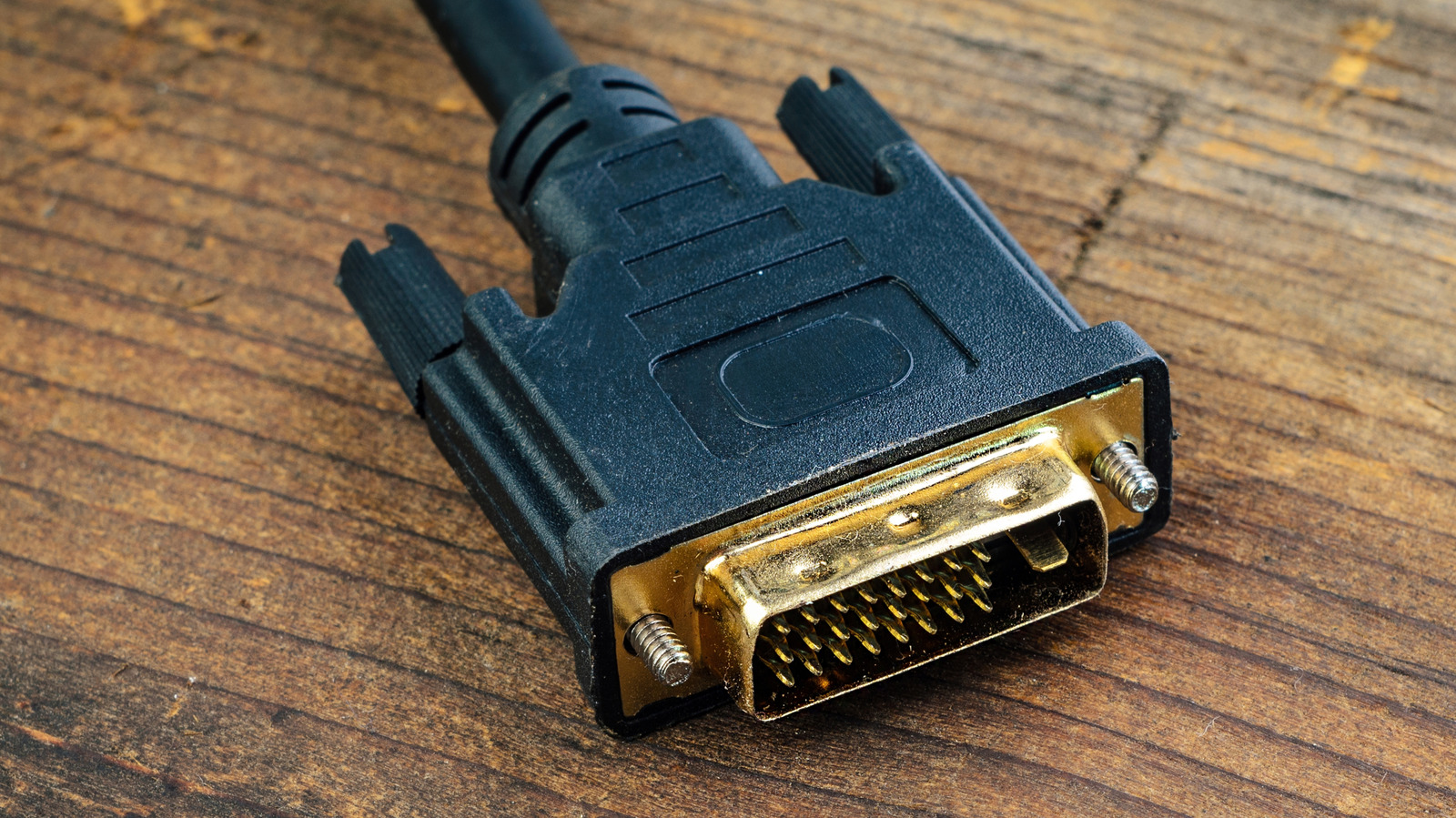
Why retro games look better on old CRT TVs
Games from the '80s, '90s and early 2000s were designed for CRT displays, which is why they often look worse on modern flat-panel TVs. Differences in motion handling, resolution and art techniques explain the gap.
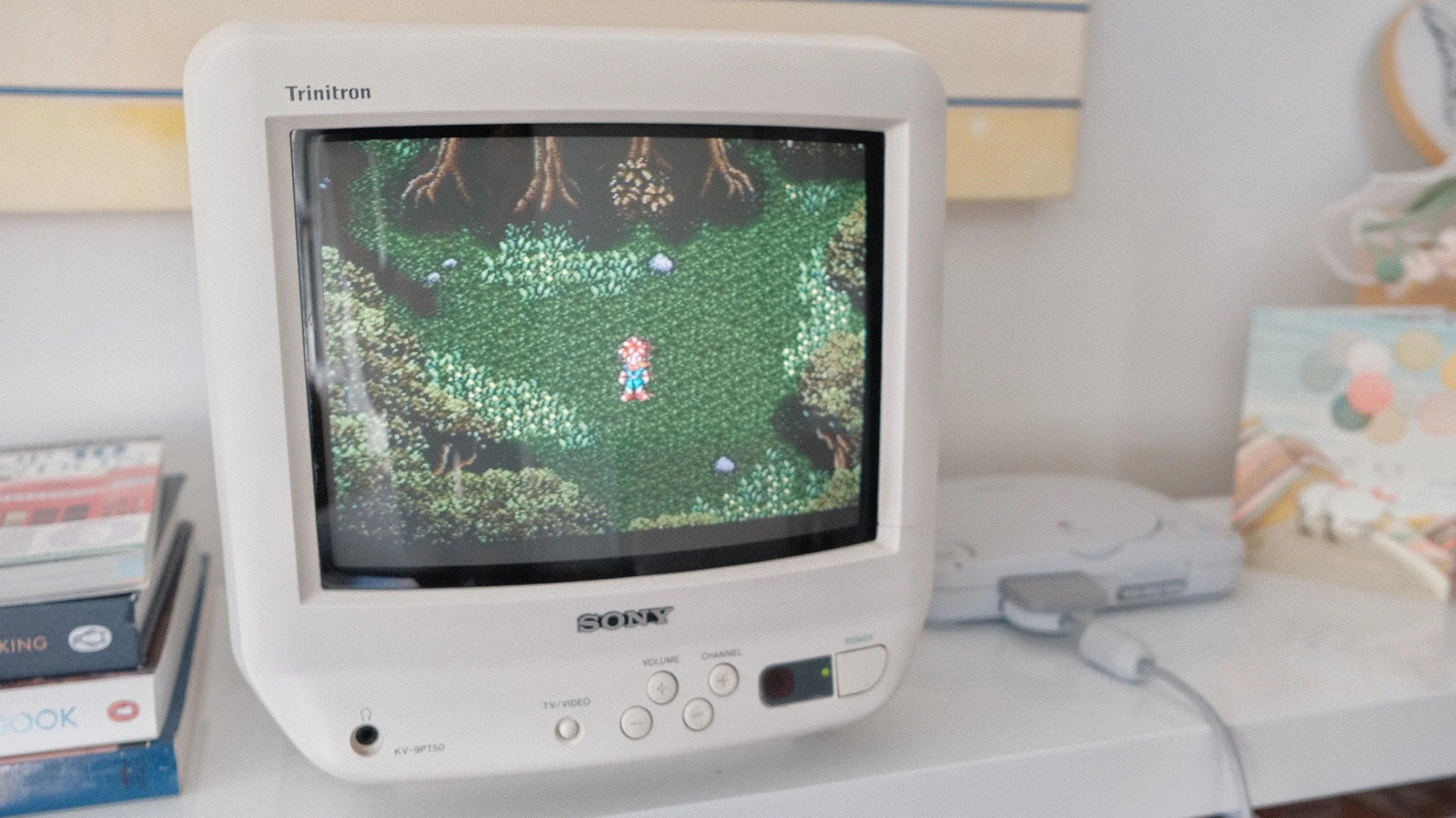
Anyone who has plugged a childhood game console into a modern TV has likely noticed the picture doesn't match memory. The reason isn't just nostalgia — games from the '80s, '90s and early 2000s were built for the display technology of their era: the cathode ray tube, or CRT.
Motion handling
CRT displays draw an image using electron guns that fire horizontal scanlines from top to bottom for every frame, a process that appears instantaneous to the human eye. This differs from LCD and OLED screens, which use a "sample-and-hold" method, displaying a full frame and holding it until the next refresh. For decades this gave CRTs noticeably better motion clarity, a gap only recently closed by high refresh rate LCD and OLED panels.
Resolution differences
Unlike modern flat panels, CRTs have no fixed "native" resolution and can render multiple resolutions without smearing. Before the PlayStation 3 and Xbox 360 era, consoles mainly targeted two standards: 240p and 480i. The "i" in 480i stands for interlaced, a scanning method that saved bandwidth but produced flicker; the "p" in 240p stands for progressive, drawing every line consecutively without flicker, though leaving alternating lines black — the source of the classic CRT look.
Why modern TVs fall short
Many modern LCD and OLED TVs lack good analog connections, and composite cables introduce signal noise. Modern sets also convert interlaced content to progressive through "deinterlacing," which adds input lag and can create artifacts like motion blur, especially when 240p content is mistakenly treated as 480i. On top of that, retro games' art, including techniques like dithering used to smooth color gradients, was designed specifically for how CRT phosphors render images and loses its effect on LCD or OLED screens — which is why Square Enix removed dithering from the classic mode of its recent Final Fantasy Tactics rerelease.
Should you buy one?
Despite being widely regarded as the best way to experience retro games authentically, CRTs are heavy, noisy, hard to repair and increasingly difficult to find in good condition. Modern emulators with CRT filters offer an accessible alternative that can replicate much of the original look without owning a physical CRT set.