National Geographic and nudity: how the magazine portrayed indigenous peoples
From 1896 the US magazine National Geographic published photographs of unclothed indigenous people, which boosted circulation but, researchers say, reinforced racial stereotypes. In 2018 its editor acknowledged that its coverage had been racist for decades.
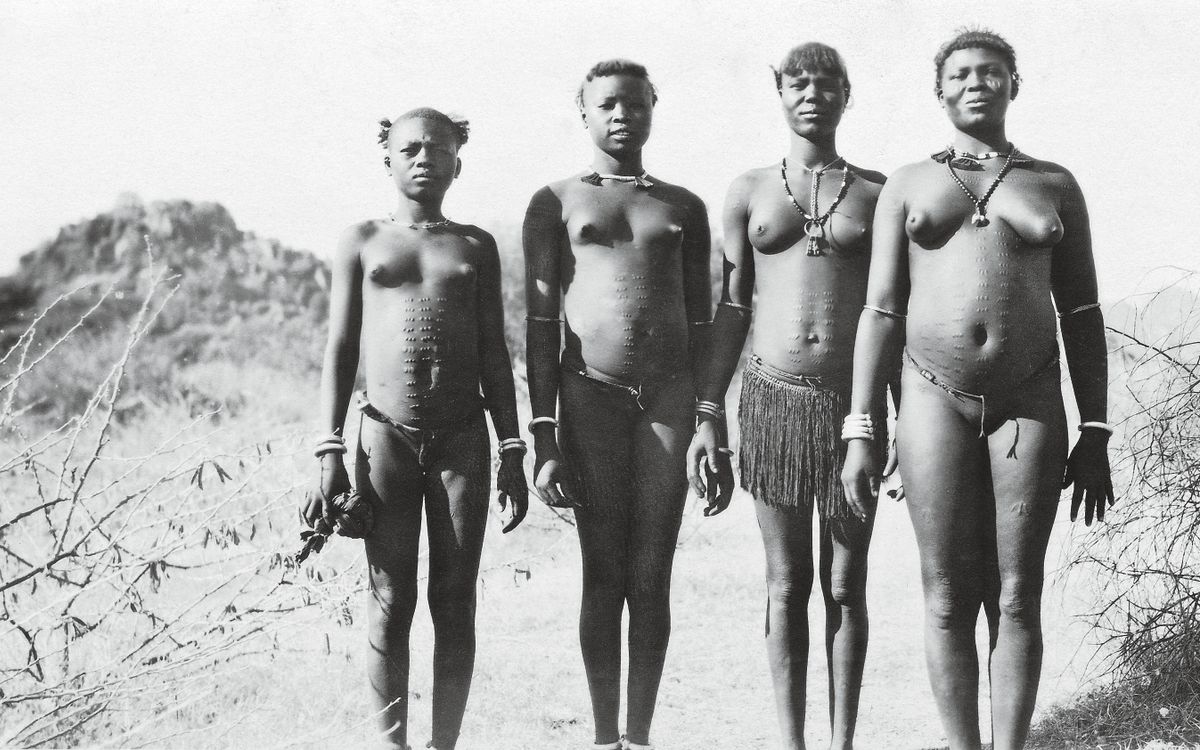
National Geographic, a magazine published since 1888 by the US National Geographic Society, has a long history of printing photographs of naked or partly clothed indigenous people. Media including CNN, BBC Science Focus and History.com have examined the practice and its consequences. The topic matters because the magazine itself publicly described its past coverage as racist in 2018.
The start in 1896
The monthly was created to introduce American readers to nature, science, history and world cultures, combining photography with investigative journalism. Its worldwide circulation is now almost 10 million copies, and it appears in several dozen languages. It was also published in Latvian from 2012 to 2016, but the small market meant the venture lost money.
The issue that went on sale on 1 November 1896 included a photograph of a Zulu bride and groom with bare upper bodies. Publishers justified such images by citing anthropological and scientific interest. According to BBC Science Focus, circulation rose because of these pictures. History.com reports that they attracted teenage readers, while some conservative Americans nicknamed the magazine National Pornographic. Professor Samir Husni of the University of Mississippi has said that, for the more progressive part of society, the magazine helped shape an image of the rest of the world.
Stereotypes and criticism
Research by Virginia University photography historian John Edwin Mason found that until the 1970s the magazine portrayed non-white people in Africa and Asia as exotic, often naked hunters, while largely ignoring non-white people in the US who were not servants or labourers. Photographs of bare-breasted white women were not published until the 1950s. A 1916 article on Australia described Aboriginal people as the least intellectually gifted of humans.
In its April 2018 issue, editor Susan Goldberg published a commentary headlined that the magazine's coverage had been racist for decades. She told the AP news agency that to speak credibly about race, the magazine had to assess its past and take responsibility.