NATO Expert Warns Russia May Escalate to More Serious Attacks on Europe
Jānis Sārts, head of NATO's Strategic Communications Centre of Excellence, warns that Russia could intensify its hybrid war against Europe with more dangerous attacks, potentially causing casualties. He stresses that the strength of the response will determine what comes next.
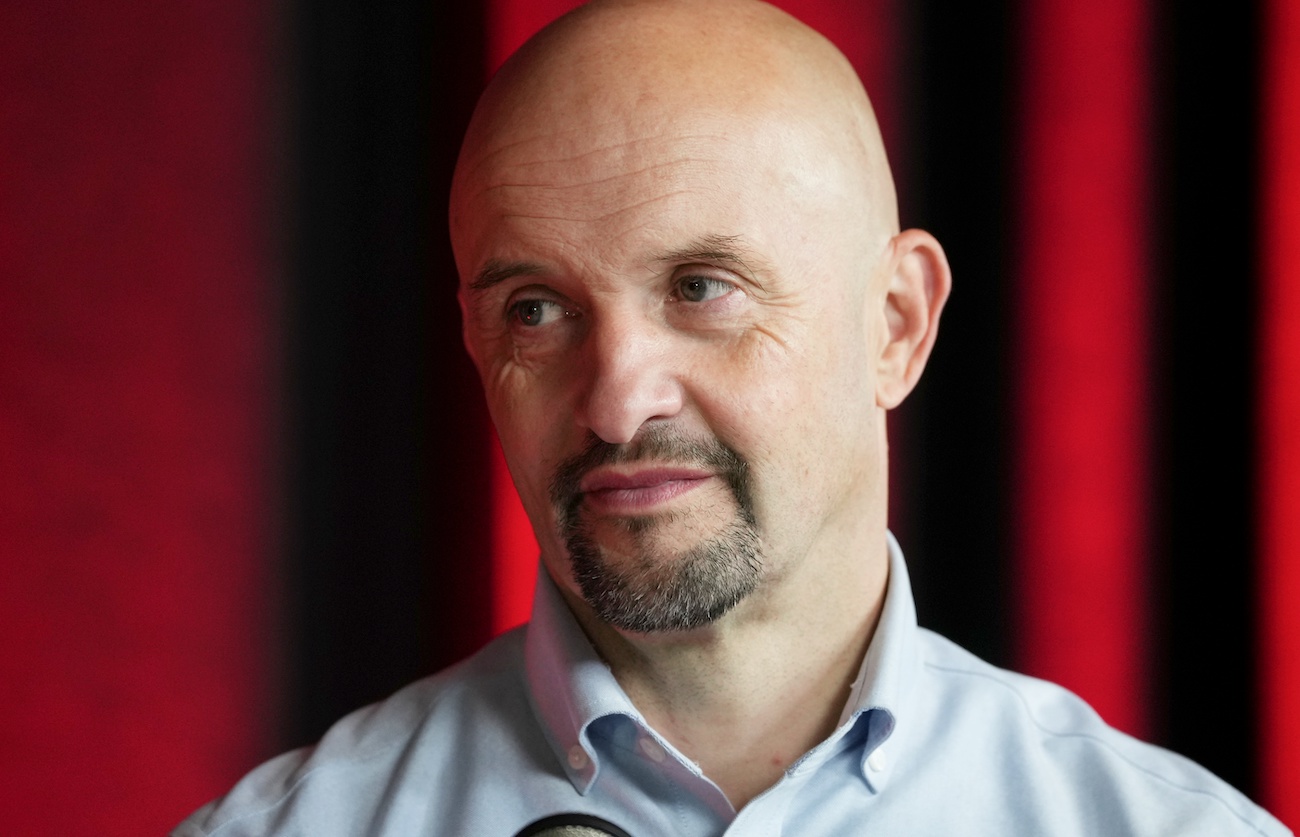
Jānis Sārts, director of NATO's Strategic Communications Centre of Excellence, has drawn attention to fresh reports circulating in foreign media about possible Russian plans to attack European countries. In his view, the term "hybrid attacks" no longer fully captures the seriousness of what is unfolding.
According to Sārts, the surge in reporting on such threats suggests newly available intelligence rather than a mere repeat of existing warnings. He interprets this as a sign that Russia has decided to move toward more serious action — attacks that could result in casualties, carried out with less caution than before. He believes security services have concluded that recent efforts to talk Russia out of such escalation have failed, meaning preparation for a tougher scenario is now necessary. Sārts emphasizes that what happens next will largely depend on how strong and how costly for Russia the collective response proves to be, should a larger attack occur.
Rising number of incidents
The warning follows earlier NATO statements: in September, a senior alliance official revealed that the number of hybrid attacks against member states had risen sharply, with more than 200 such incidents recorded in the past year alone, not counting routine cyberattacks — of which NATO headquarters faces thousands every month. The official said Russia is working to undermine support for Ukraine, spying on critical infrastructure and logistics chains, and pre-positioning malware in key industrial control systems in preparation for possible further escalation.
NATO has expressed particular concern over a shift in the nature of these attacks — not just their growing number, but also their increasing severity and the greater risk Russia appears willing to take. In response, the alliance plans to strengthen deterrence through military measures and improved protection of critical infrastructure, including a planned network for sharing security information with critical energy infrastructure operators, joint emergency exercises, and enhanced drone and cyber defenses. In especially serious cases, NATO's top military commander could ask member states to employ offensive cyber capabilities.
Latvia's Constitution Protection Bureau said in August that Russia does not currently pose a direct military threat to Latvia, though a number of signs point to potential long-term plans. National Armed Forces commander Kaspars Pudāns has similarly stated that Latvia faces no direct military threat at present, while noting that the armed forces are prepared for possible hybrid provocations from Russia.