NATO worried about impact of French elections on alliance's future
NATO officials and experts fear that the 2027 French presidential election could bring to power candidates seeking to weaken or end France's participation in the alliance's military structures, potentially undermining European security.
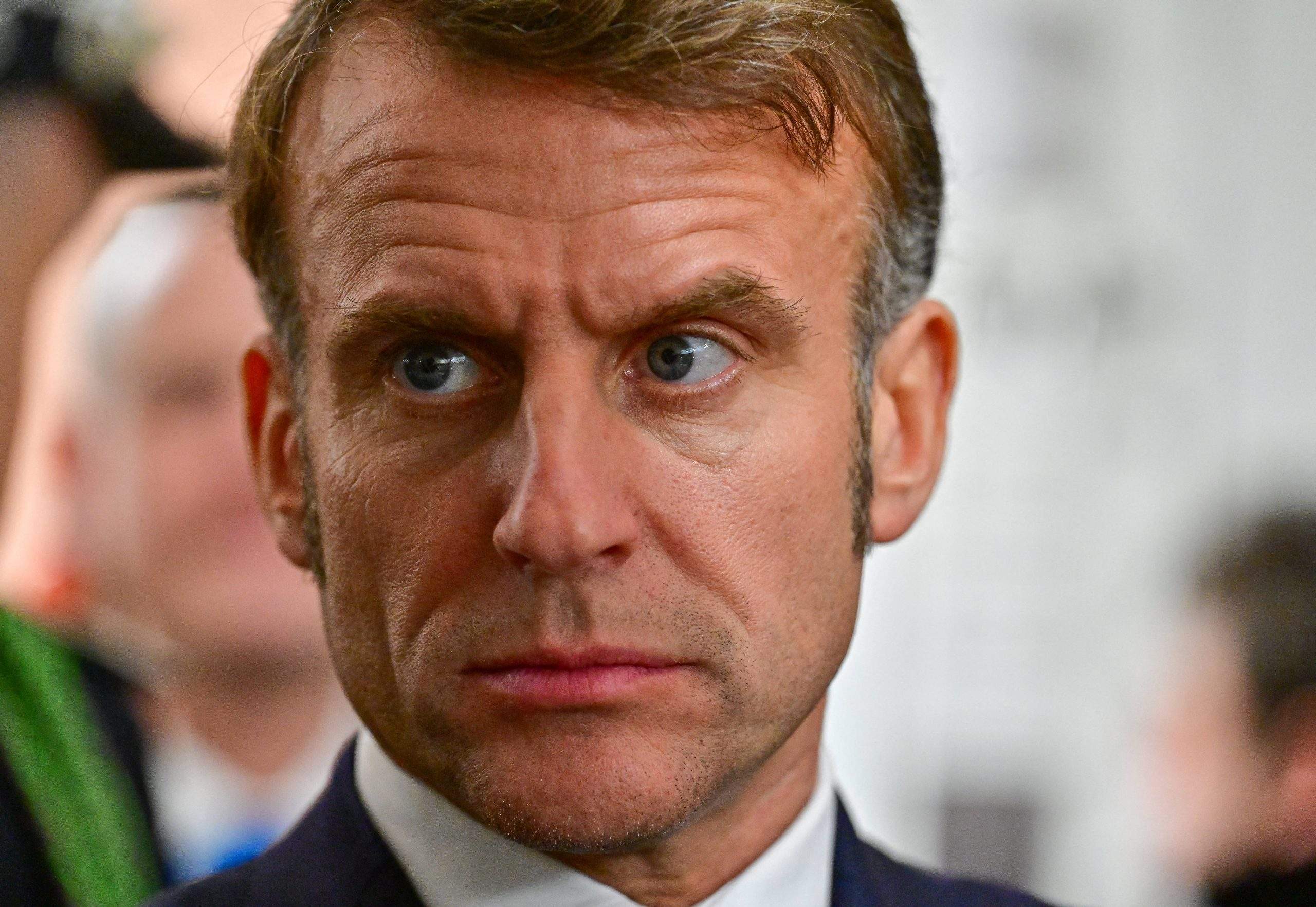
NATO is watching with concern the French presidential election, which is scheduled for spring 2027. According to Politico, recent polls suggest about half of French voters support radical candidates critical of the alliance. Marine Le Pen of the far-right National Rally wants to take France out of NATO's integrated command, while far-left leader Jean-Luc Mélenchon has announced he wants to leave the alliance altogether.
Experts say France's withdrawal from NATO's military structures would be a shock to the alliance. It would call into question the deployment of French troops in Romania and Estonia, limit access to important military equipment, and weaken military coordination among all 32 member states. Concerns are amplified by the fact that the United States, under its previous presidency, began reducing its forces in Europe, forcing allies to urgently strengthen their own defense in response to warnings that Russia could attack this decade.
Jamie Shea, senior defense expert at the Friends of Europe think tank and former NATO spokesman, said that with a smaller US presence, the least desirable outcome would be for a major European country to distance itself from the alliance. He stressed that the goal is for Europeans, including France, to take on more responsibility. Finnish Defense Minister Antti Häkkänen also expressed hope that France would remain fully integrated into NATO structures and maintain its political line.
The publication notes that eight months remain before the vote, so the outcome is far from decided. It is possible that the candidates will soften their stance after election, as Italian Prime Minister Giorgia Meloni did in 2022. However, given France's historically complicated relationship with the alliance, the threat is taken seriously. One anonymous NATO diplomat admitted: "I fear these elections. Losing France would be terrible."
At the end of May, Le Pen said France should leave NATO's integrated command. An official revealed that in a closed meeting earlier this year she had expressed the same position to a senior French military commander, also saying that France would need to restore contacts with Russia. Mélenchon went further, outlining at a conference in June his international priorities, including a complete withdrawal from NATO due to America's "openly hostile" stance.
Experts emphasize that France is not only a founding member of the alliance but also a key player because of its nuclear arsenal. Marie-Agnes Strack-Zimmermann, chair of the European Parliament's Defense Committee, warned that only enemies of freedom would benefit from such a move. Lieutenant General Michel Yakovleff, former deputy chief of staff at NATO's military command, explained that theoretically the president could decide to leave the command structures immediately without consulting parliament. In practice, however, the process would take about a year and require recalling approximately 1,000 officers.
Three NATO diplomats said the biggest concerns involve the future of France's 1,200-strong battle group in Romania, informal cooperation with NATO on nuclear weapons, and specialized capabilities such as satellites and intelligence. Yakovleff believes leaving would mean losing influence and incurring high political, technical, operational, and structural costs. Germany could also become the leading NATO member in Europe. To prevent the worst-case scenario, Shea suggests NATO should start back-channel contacts with deputies from both parties and offer Paris more command positions.