Nautrāni Cultural Organizer Inga Vigule: Getting to Know Her Parish Anew with Every Event
After seven years as a cultural events organizer in Nautrāni parish, Inga Vigule shares her work, challenges, and joys, highlighting the Nautrāni cultural space recently added to Latvia's intangible cultural heritage list.
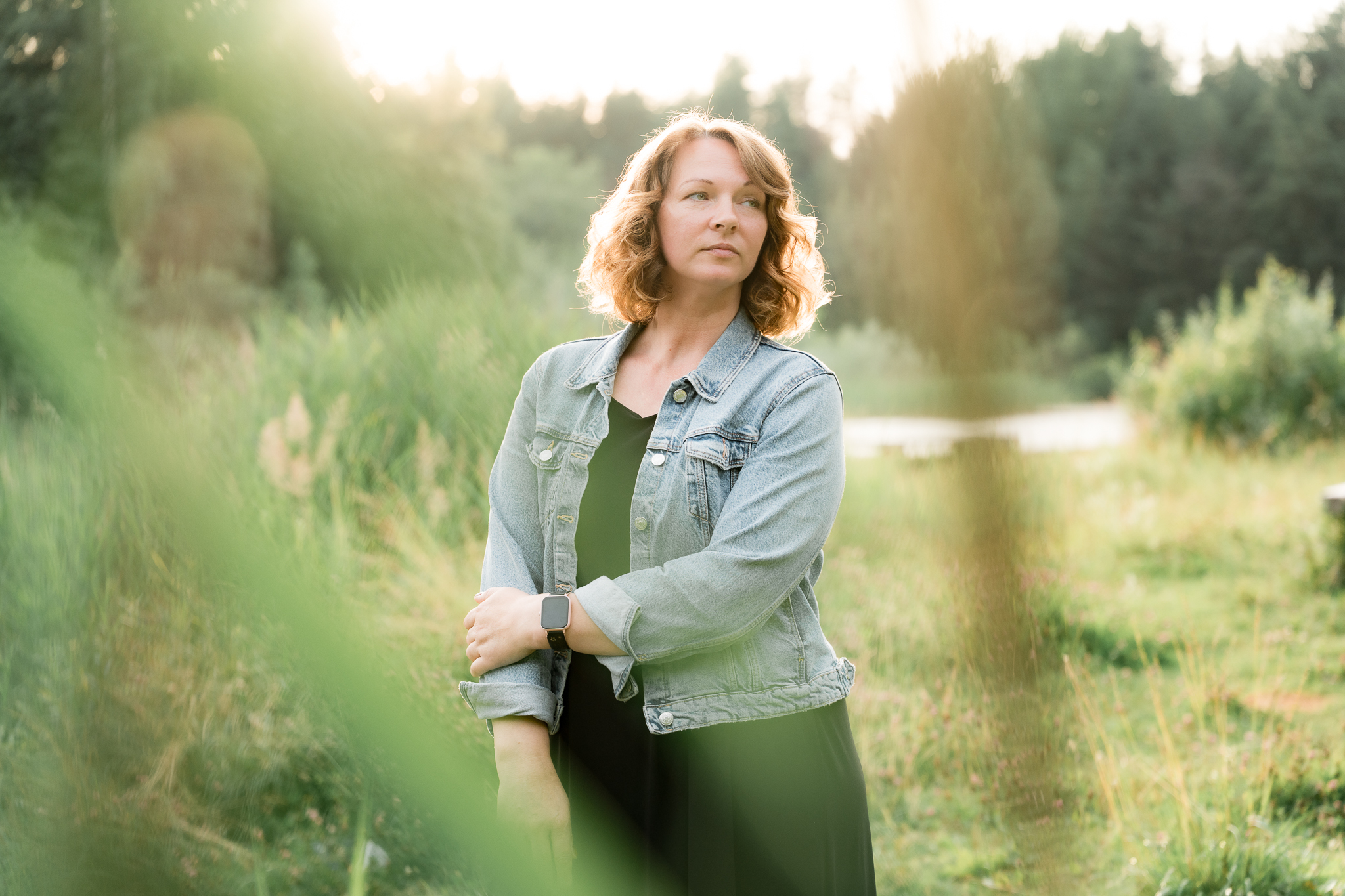
Inga Vigule has been the cultural events organizer for the Nautrāni parish in the Rēzekne region for seven years. She calls herself a re-emigrant of the parish. In an interview, she reveals how her work in a small parish has become a lifestyle and discusses the significance of the cultural space.
Last autumn, the Intangible Cultural Heritage Commission of the National Culture Center included a new element in the national list – the Nautrāni cultural space. Geographically, it lies in the former Zaļmuiža parish and Nautrāni congregation, now part of Rēzekne municipality's Nautrāni and Iļžukolns parishes, and partially in Ludza municipality's Mežavīdi parish. The Nautrāni Culture Center is the institution that researches and promotes this heritage.
Inga recounts her path to this position. Her roots are in Nautrāni, but she was born in Ogre because her parents had moved. She spent early childhood in Lielvārde and later in Brīžuciems, Balvi region. She long wondered why she pronounced certain words differently – for instance, "špīdžeļs" instead of "spīgeļs" – but later realized it was the Northern Latgalian dialect. In 1991, her family moved to Nautrāni, where she attended secondary school. She then studied at Daugavpils University without graduating but values the experience gained.
Before her current role, Inga worked as head of the Rogovka youth center, then managed a sports hall and cultural center, took maternity leave, and returned as a librarian. However, she found library work too confining; she needed freedom and movement. In 2019, the Nautrāni administration offered a rotation, and she returned to the cultural center.
She admits that initially she didn't understand some events, like "Pīterdīna Rogovkā," so she began researching and realized that despite growing up there, she didn't really know her parish. Now, with each event, she rediscovers the parish and aims to introduce it to others. She appreciates local residents' responsiveness – for example, during the concert "Kozu laiki Latgolā," people called to offer props. Still, there is an inactive part of the population.
Inga stresses that every event must have meaning – not just entertainment but value. An example is the game "Kur začeits?" where people searched for hidden objects and discovered local language nuances. She also created a bird-themed game, which served as a great language collection. She considers cultural work a lifestyle and admits she has experienced burnout but learned to reevaluate her attitudes and avoid unnecessary conflicts.
Her biggest fear is taking on too much due to a strong sense of responsibility toward others. Yet, when looking at job ads, she realizes she doesn't want to do anything else – she loves her work.