Kill zones and drone nets: a journey through Ukraine’s fortress belt
Ukraine's fortress belt in Donbas, a string of towns and cities, has become a key defensive line against Russian attacks, adapting to drone-dominated warfare with extensive anti-drone measures and coordinated defenses.
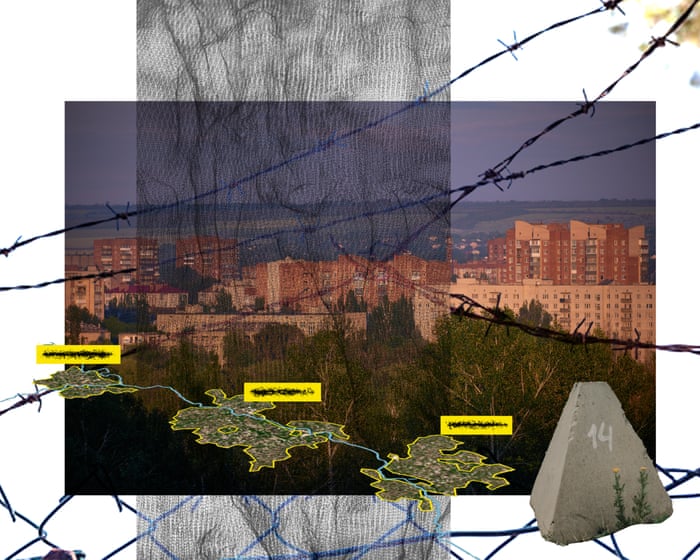
A vast cobweb of drone cables covers Lyman
The small Ukrainian city of Lyman, the northern outpost of the fortress belt, is covered in spent fiber-optic cables used to control drones. The cables have accumulated so densely that new drones struggle to fly through. The roughly 1,000 civilians remaining live in cellars without electricity, gas, or running water.
The fortress belt: a strategy born in 2015
The fortress belt was identified as a potentially strong defensive line in 2015 under President Petro Poroshenko. It is based on four large cities in Donetsk oblast along the H-20 highway. The Institute for the Study of War described it as "optimized for defense," noting that Russian losses in attempting to seize it could exceed those at Bakhmut or Pokrovsk.
Warfare transformed: drones and countermeasures
Since Russia's full-scale invasion in 2022, warfare has changed dramatically. Ukrainian brigades now use vehicles fitted with anti-drone cages and spikes, reminiscent of Mad Max films. Streets and highways are covered with anti-drone net tunnels.
Lt Col Shamil Krutkov of Ukraine's 93rd brigade said the war has shifted from close combat to remote drone operations. He stressed that defense of the fortress belt bought time for Ukraine to adapt to a new kind of war dominated by drones and electronic warfare.
Holding the line: successes and challenges
Vadym, an officer of the 63rd brigade, credited military reforms in 2024 with improving coordination between brigades, allowing the creation of "kill zones" where Russian forces are destroyed before they can attack. He claimed that in their sector, not a single meter has been lost in the last six months.
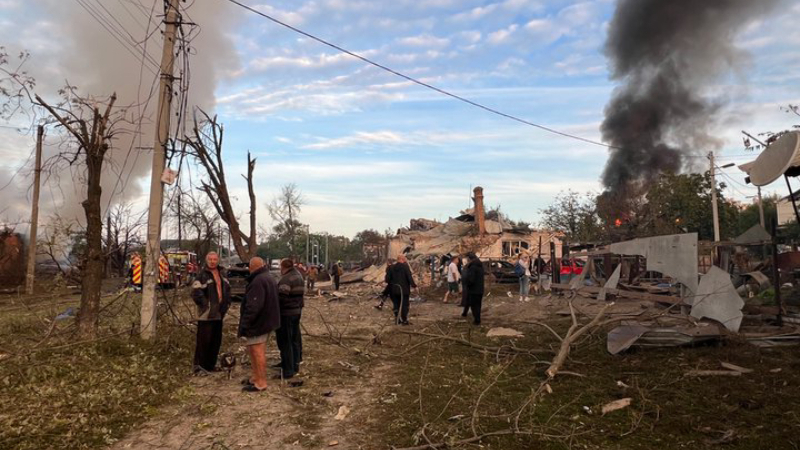
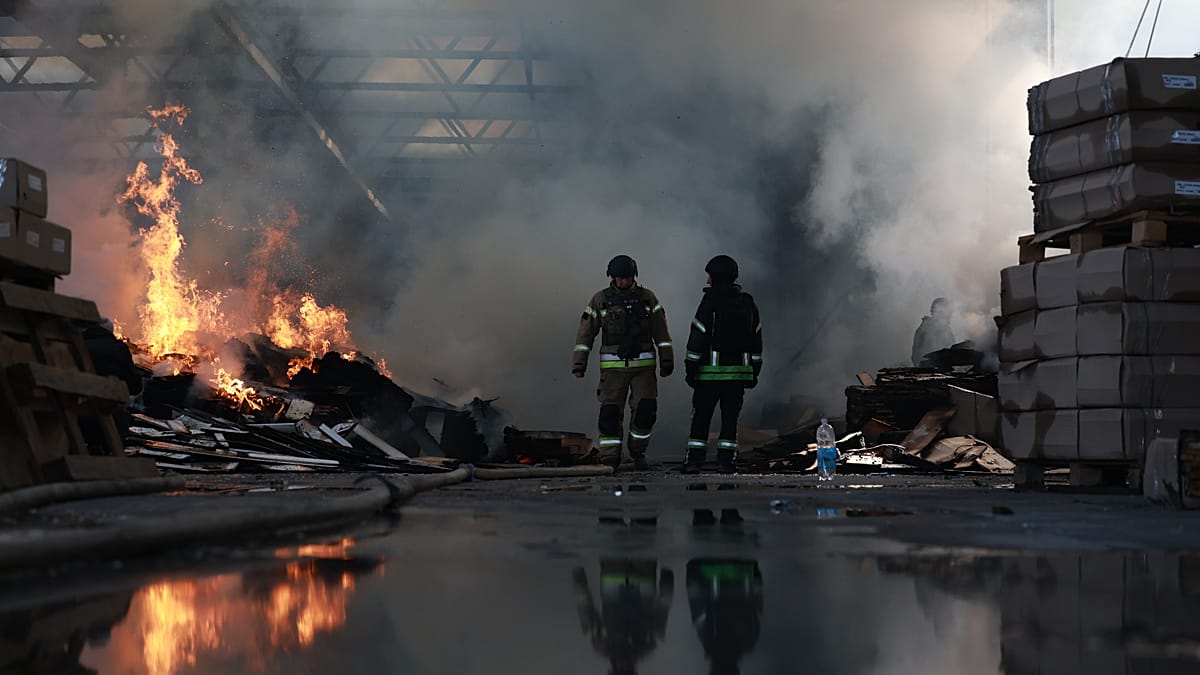
However, the situation is difficult in some places. In Kostyantynivka, Russian forces control the eastern side, while the western side has become a kill zone. Drones and rockets strike Sloviansk and Kramatorsk daily. But overall, the fortress belt is largely holding, giving Kyiv time to implement other strategies, such as drone attacks on Russian supply lines.
Civilian life under war
Yulia Melnyk, 46, a resident of Kramatorsk, showed fatalism after a drone strike on her apartment building: "Sometimes the noise scares me. But if I hear the explosion, I'm alive and life goes on." Her building still stands, but many others have been hit. Anti-drone nets only protect against smaller drones, not larger Shahed drones or glide bombs.