Little-known protein Miro1 may be linked to type 2 diabetes
Researchers have identified the protein Miro1, found at higher levels in the muscles of people with type 2 diabetes and linked to reduced insulin response. Exercise lowered its levels in people with the disease.
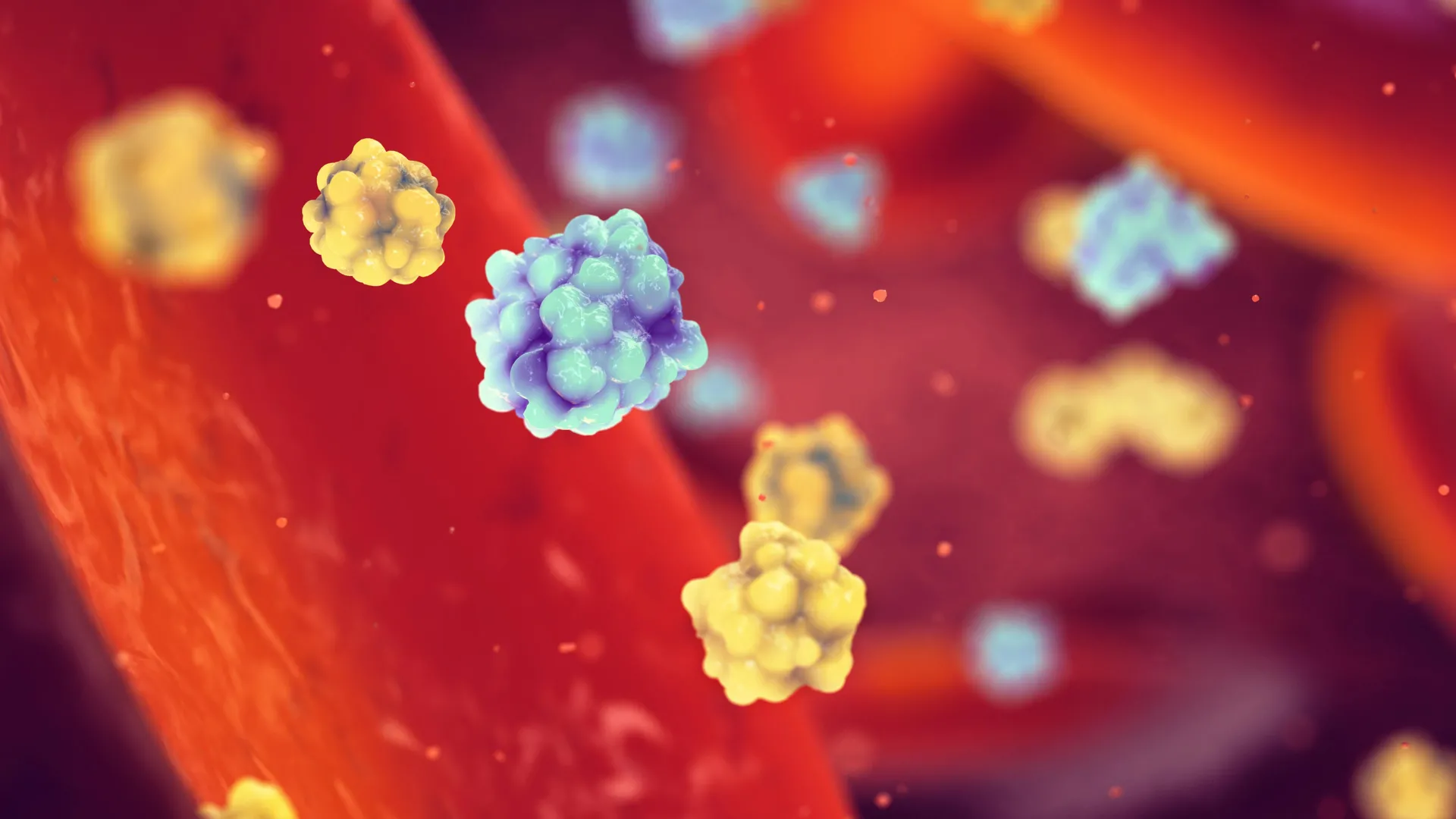
A team of US researchers working at LSU's Pennington Biomedical Research Center has identified a protein called Miro1 that may impair the body's response to insulin in type 2 diabetes. The finding could offer a new target for treatments aimed at improving blood sugar control. The results were published in Nature Communications.
What the study found
Miro1 (Mitochondrial Rho GTPase1) sits on the outer membrane of mitochondria, the small structures inside cells that produce energy. Researchers believe that too much of the protein may disrupt how muscles respond to insulin, making blood sugar harder to regulate.
The team examined Miro1 in laboratory cells, preclinical models and people with type 2 diabetes. Buildup of the protein weakened the muscles' response to insulin, while removing it in preclinical models restored insulin responsiveness. Levels of Miro1 were higher in the skeletal muscles of people with type 2 diabetes.
Exercise reduces the protein
A randomized controlled trial enrolled people with obesity and type 2 diabetes. In the aerobic exercise group, Miro1 levels in muscle fell, alongside improved insulin sensitivity and better muscle energy production. A comparison group received standard medical care.
The study's senior author, Dr. John P. Kirwan, who now leads the OU Health Harold Hamm Diabetes Center at the University of Oklahoma, said the work deepens understanding of why exercise is effective and opens a path to treatments that could one day complement it.
What remains to be shown
Scientists still need to determine whether directly targeting Miro1 can yield safe and effective treatments. Restored insulin responsiveness was shown in preclinical models, while in people, lower Miro1 levels were observed alongside better insulin sensitivity. Kirwan plans to continue the research, combining laboratory work with human studies.
The first author is doctoral candidate Elizabeth Heintz, and co-corresponding author Christopher Axelrod has also moved to the University of Oklahoma. The study was funded by several US national health institutes, including the National Institute of Diabetes and Digestive and Kidney Diseases.