Why Losing the Wrong Fat Can Trigger Diabetes
Researchers have discovered that pathological fat loss in rare genetic conditions leads to diabetes because fat cells lose their ability to process lipids, become inflamed, and their mitochondria fail.
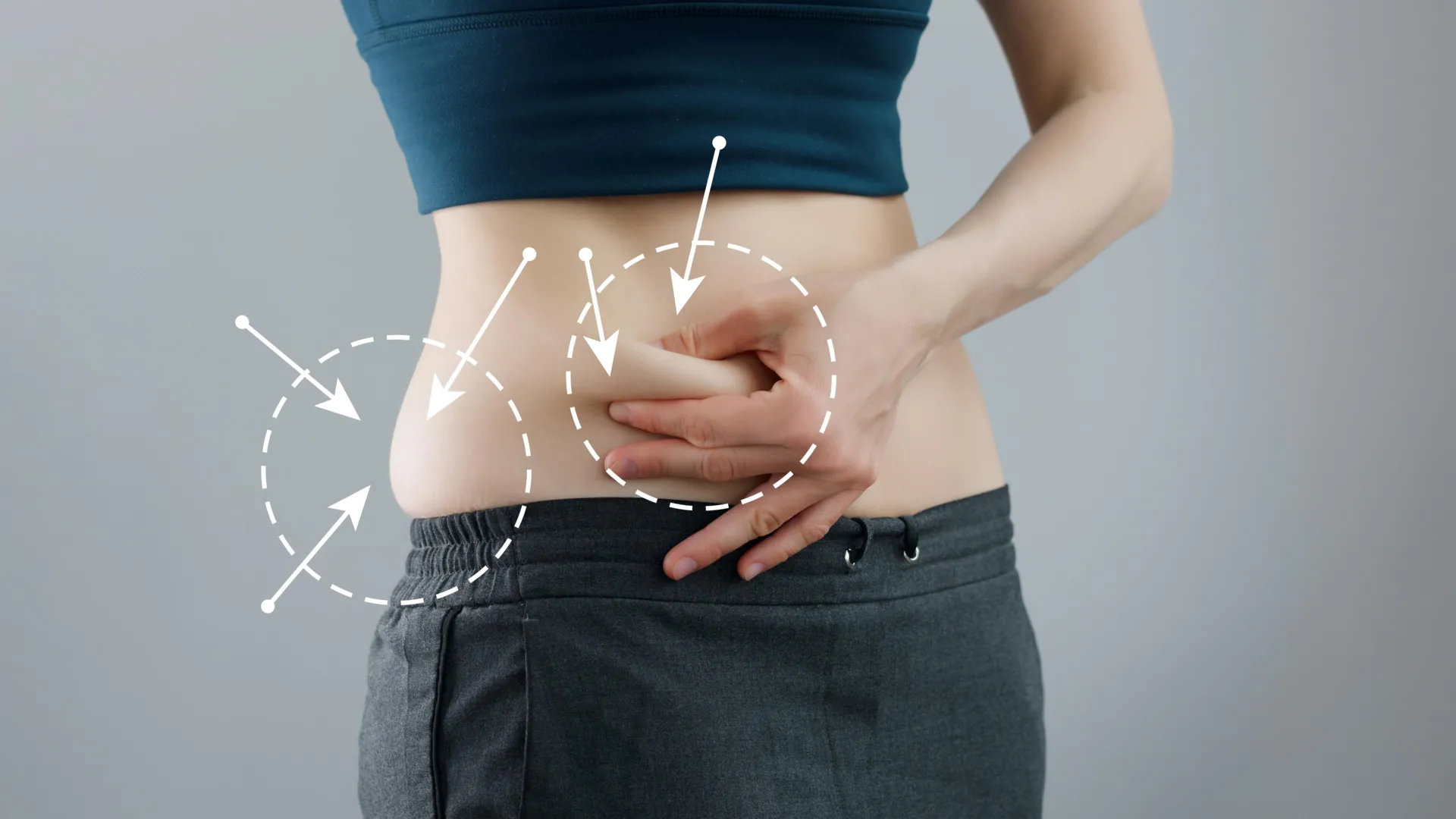
Fat tissue is often seen as something the body would be better without, but scientists now know that adipose tissue is an active and essential organ involved in energy storage, hormone production, and metabolic regulation. While too much fat increases the risk of diabetes and other diseases, losing the wrong kind of fat can also be dangerous.
In rare genetic and autoimmune conditions like familial partial lipodystrophy type 2 (FPLD2), abnormal fat loss and uneven distribution can lead to diabetes and metabolic diseases. Dr. Elif Oral, a clinician and professor at the University of Michigan, has long worked to understand this paradox and improve treatments for lipodystrophy syndromes.
Together with Dr. Ormond MacDougald, graduate student Jessica Maung, and a broader team, they investigated what happens inside diseased fat tissue. They developed a mouse model where they could switch off the lamin A/C gene specifically in fat cells—the same gene mutated in FPLD2 patients.
The researchers found major changes in gene activity that prevented fat cells from properly processing and storing lipids. At the same time, the cells shifted into a pro-inflammatory state, and mitochondria—the cell's powerhouses—stopped functioning normally. "All of these effects come together to create this perfect environment for the tissue to be really unhealthy and eventually disappear," Maung said.
When healthy adipose tissue is lost, the body can no longer manage lipids or release metabolic hormones, contributing to conditions like diabetes and fatty liver disease. "This underscores the importance of healthy fats in keeping metabolism intact," Oral noted. "Type 2 diabetes is not just a disease of beta cells; it is also a disease of fat cells."
The findings open new therapeutic targets, such as protecting adipose tissue before it deteriorates. The research highlights collaboration between lab scientists, clinicians, and patients. MacDougald praised the partnership: "This is an outstanding example of translational research, and we can't overstate the importance of patient involvement."
/nginx/o/2026/10/01/17948367t1h19b2.jpg)