Netanyahu Rejects US Gaza Ceasefire Roadmap Accepted by Hamas
Israeli Prime Minister Benjamin Netanyahu has rejected the next phase of the US-brokered Gaza peace plan, which Hamas has accepted, insisting on full disarmament before any troop withdrawal. The move deepens tension with President Trump ahead of Israel's October elections.
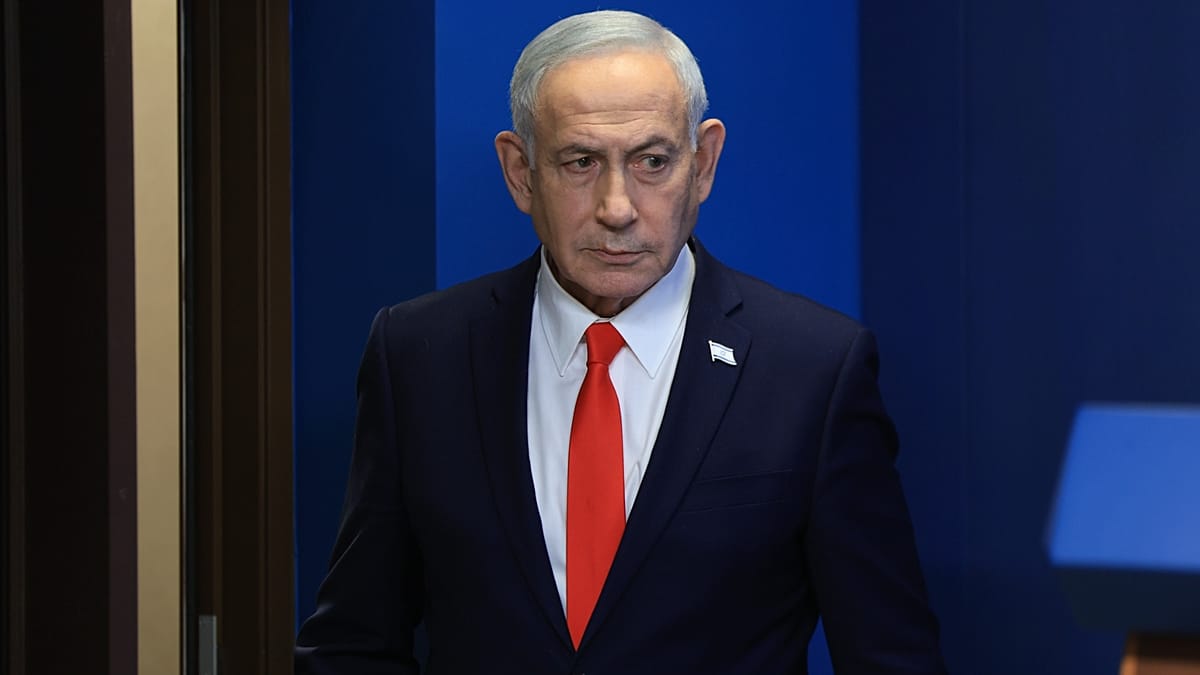
Israeli Prime Minister Benjamin Netanyahu told his cabinet that Israel rejects the 15-point document presented at the end of July by Donald Trump's Peace Council, meant to launch the second phase of the Gaza peace plan. He said Israeli forces would not withdraw from Gaza until Hamas is "genuinely" disarmed, and would continue acting against threats to Israeli troops and citizens.
The rejection follows more than a week of escalating criticism from Netanyahu and pressure from his right-wing base. He said Israel was discussing its objections with Washington, noting some elements of the plan were acceptable while others were not.
Hamas backs the plan
Days after selecting a new leader, Khalil al-Hayya, Hamas announced its support for the Gaza plan. Bassem Naim, a member of the group's political bureau, called on mediators and the United States to pressure Netanyahu's government, accusing it of obstructing the process for domestic political and electoral reasons.
Growing rift with Trump
Netanyahu described Trump as Israel's "greatest friend in the White House" but made clear he was ready to push back against him. Tensions between the two have also grown over Iran: after jointly striking Iran in late February, they diverged when Trump pursued a ceasefire with Tehran in April. Netanyahu insisted Iran would not obtain nuclear weapons while he remains prime minister.
Last week, Netanyahu ordered new strikes on Lebanon over what Israel said was a ceasefire violation by Iran-backed Hezbollah, coinciding with US-mediated talks between Israel and Lebanon.
Conditions of the plan
The US-brokered ceasefire announced in October has reduced but not ended Israeli operations in Gaza. The original plan tied an Israeli withdrawal to Hamas's disarmament timeline, which Israel rejected. After meeting Netanyahu, the Board of Peace overseeing implementation revised its position, saying withdrawal would only follow "complete" disarmament — still not enough to satisfy Netanyahu, who insists on "real disarmament, not fictitious disarmament."
Polls show the plan is unpopular among Netanyahu's right-wing base and far-right cabinet members, who have urged a new vote to kill it. Netanyahu, Israel's longest-serving leader, is running even or behind in some polls ahead of the 27 October election, the first since the 7 October 2023 Hamas attack.