Latvia's Ambulance Service: About 30% of Stroke Patients Seek Help Too Late
Latvia's Emergency Medical Service says that in the third quarter of this year, help was sought late in an average of 30% of stroke cases. The service and hospital neurologists remind the public how to recognise a stroke and why to act immediately.
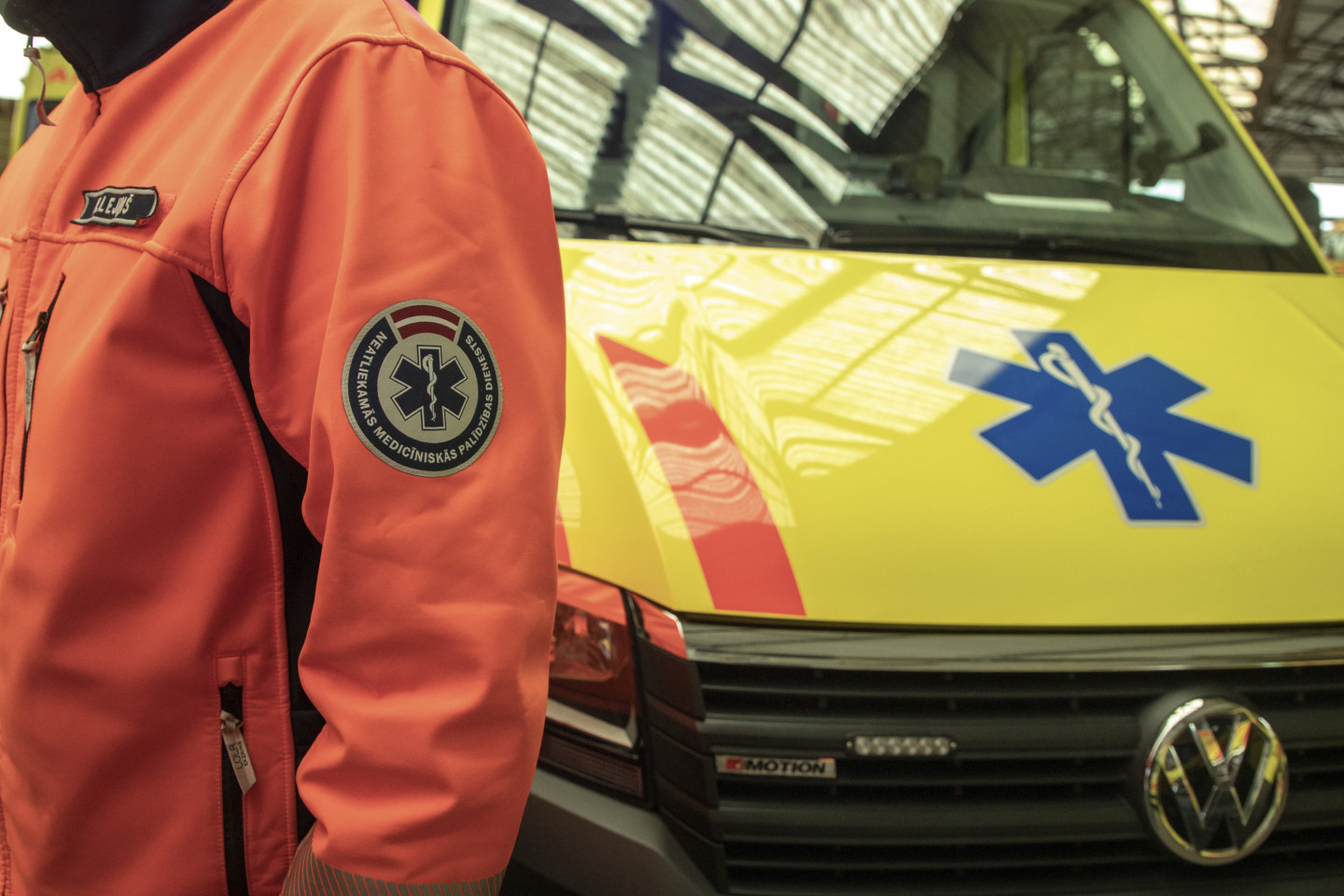
Latvia's Emergency Medical Service (NMPD) reports that in the third quarter of this year, medical help was sought late in an average of 30% of stroke cases. In a stroke, every minute counts: the sooner a patient reaches hospital, the greater the chance of survival and of living without lasting consequences.
Two contrasting cases
The service describes two cases with similar symptoms but different responses. In the first, a colleague at a workplace noticed that a woman's mouth corner had drooped. She said she did not feel well and that one side of her body had become weaker. The colleague called NMPD immediately, and within 36 minutes the patient was in hospital receiving the care needed for an acute stroke.
That same evening, an elderly woman at home felt weakness and discomfort in the arm and leg on one side of her body, but decided to wait in the hope that she would feel better. At midday the next day she noticed in the mirror that her mouth corner had drooped, yet still did not seek help. She called only several hours later, when the weakness on one side became disruptive. By the time medics took her to specialists, almost a full day had passed since the first signs. NMPD says that in such a situation the delay will most likely leave irreversible consequences, such as paralysis of one side of the body.
The "ĀTRI" test
Neurologists at Pauls Stradiņš Clinical University Hospital recommend remembering the Latvian test "ĀTRI" ("quickly"):
- Ā – smile (atsmaidīt). If one side of the face droops or the smile is asymmetrical, it may indicate a stroke.
- T – hold (turēt). Ask the person to raise and hold both arms; if one drops or cannot be lifted, it may be a sign of stroke.
- R – speak (runāt). Ask the person to say a simple sentence; slurred speech or difficulty expressing or understanding words is a warning sign.
- I – call (izsaukt). If any one sign is present, call 113 immediately.
Prevention
The hospital also stresses prevention. Important stroke risk factors include high blood pressure, diabetes, high cholesterol, smoking and insufficient physical activity.