OLED Burn-In: Still a Concern in 2026?
OLED screens offer superior picture quality but are susceptible to burn-in due to uneven pixel wear. While permanent image retention is rare with modern content, preventive measures remain important.
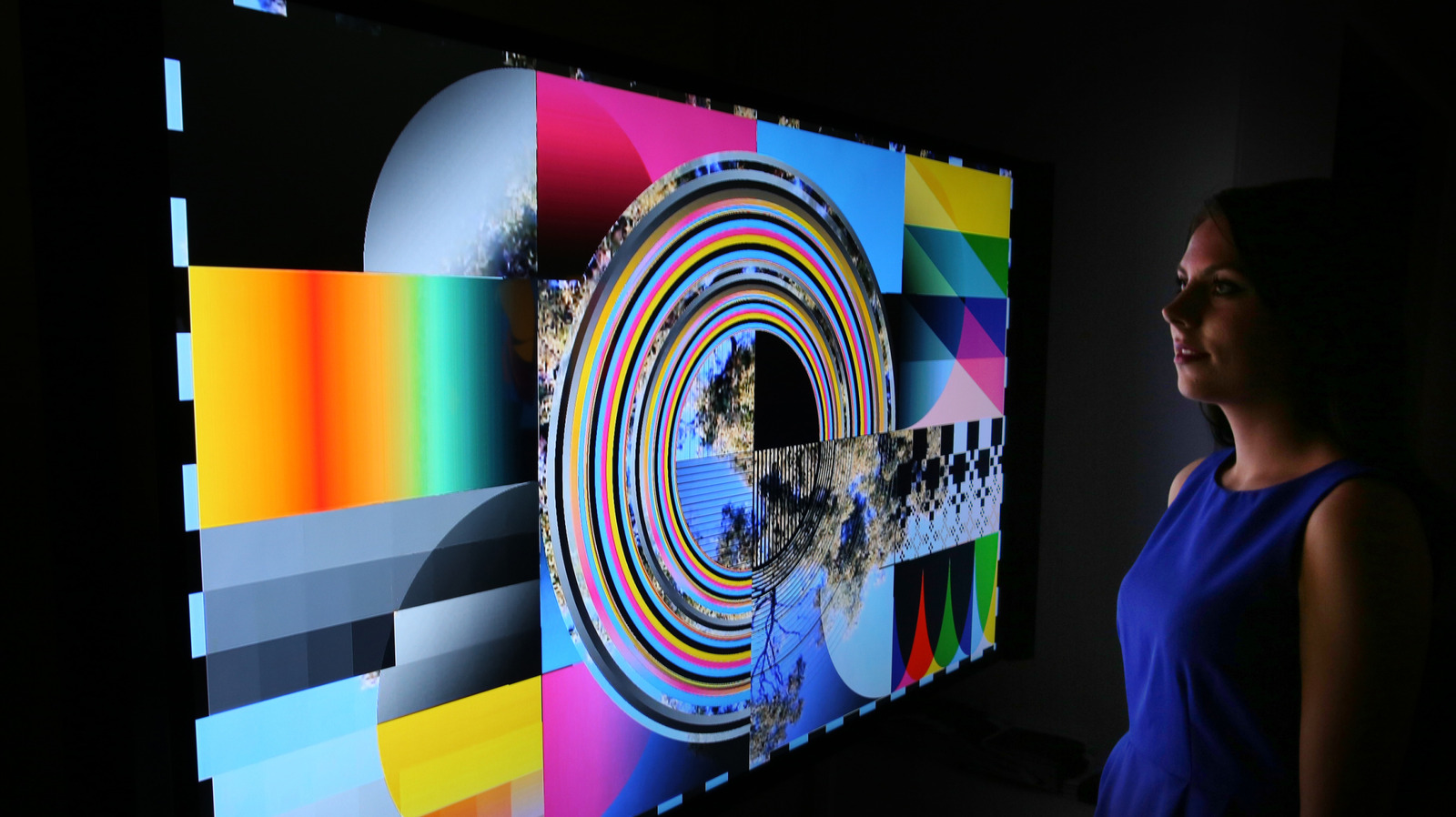
Organic Light-Emitting Diode (OLED) displays have transformed home entertainment with deep blacks and vibrant colors. However, because each pixel is self-illuminating, organic diodes degrade faster than synthetic ones in LED screens. Prolonged display of static elements—such as TV logos, news tickers, subtitles, or black bars—can cause uneven wear, leaving a faint ghost image known as burn-in.
Major manufacturers like LG, Samsung, Sony, Apple, and Google still warn about the possibility of burn-in. Long-term tests, such as one by RTINGS, show that permanent burn-in typically only occurs after thousands of hours—for example, subtitle burn-in appeared after about 7,100 hours. For most viewers watching varied content (movies, series, sports), the risk is minimal.
To mitigate burn-in, modern OLED devices include features like automatic screensavers, pixel shift, panel refresh, and logo brightness adjustment. These are often enabled by default, but users should verify settings. Additional tips: avoid leaving static images on screen for hours, reduce brightness, and if image retention appears, turn off the display and let it rest before watching regular content.
Overall, while burn-in remains technically possible, it is unlikely for the average consumer with sensible viewing habits.