Head of optometrists' association urges overhaul of children's eye care in Latvia
Aiga Švede, president of the Latvian Association of Optometrists and Opticians, argues in the magazine Ir that state-funded children's vision checks barely use optometrists' skills, which keeps ophthalmologist queues long. She proposes building a broader vision care system instead of one centred on ophthalmology.
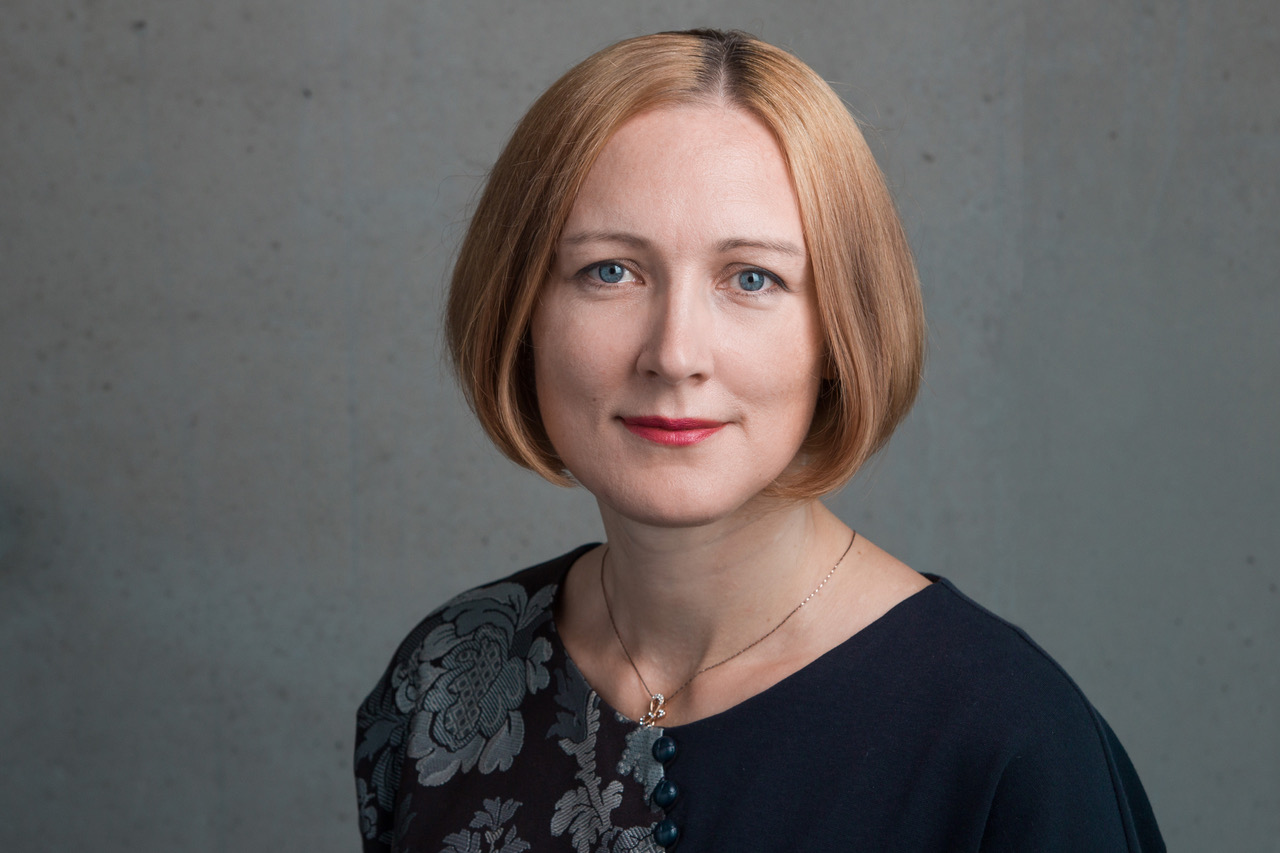
Children in Latvia wait a long time for state-funded eye checks, and the system does not fully use the specialists available. This is the argument of Aiga Švede, an optometrist, University of Latvia professor and president of the Latvian Association of Optometrists and Opticians (LOOA), in an opinion piece published in the magazine Ir on 15 October. She calls for moving from an "ophthalmology system" to a wider vision care system. The text is the author's viewpoint, not a neutral study.
Specialists and queues
Švede says Latvia has 233 certified ophthalmologists (eye doctors) and 219 certified optometrists. Optometrists carry out vision tests and correction, while ophthalmologists diagnose and treat eye diseases, including by surgery. In her view, patients who truly need a doctor and people with complaints an optometrist could assess all wait in the same queue. She says the quota system, which pushes doctors to see as many patients as possible, worsens the situation.
State-funded mandatory checks are set for ages 13–24 months, 3 years and 6–7 years. According to the National Health Service, the share of children checked in the first group does not exceed 50%, and in the next two it is below 20%. The State Audit Office also concluded in an audit that involving optometrists more widely could improve access.
Proposed solutions
Švede argues that before seeking more funding, the approach should change and clear guidelines should define when an optometrist can care for a patient and when an ophthalmologist is needed. Second, more specialists willing to work with children are needed, for example through practical continuing education. She cites Norway, where patients with ordinary complaints see an optometrist or a family doctor, and "green corridors" let urgent cases go to an eye doctor.
She adds that the Ministry of Health leaves it to both professional associations to agree, but they cannot, because change would mean redistributing funding.