Osteopenia Silently Weakens Bones in Millions Worldwide
About 40% of adults globally have osteopenia—a loss of bone mineral density that often goes unnoticed until a fracture occurs. This article covers risk factors, diagnosis, and management.
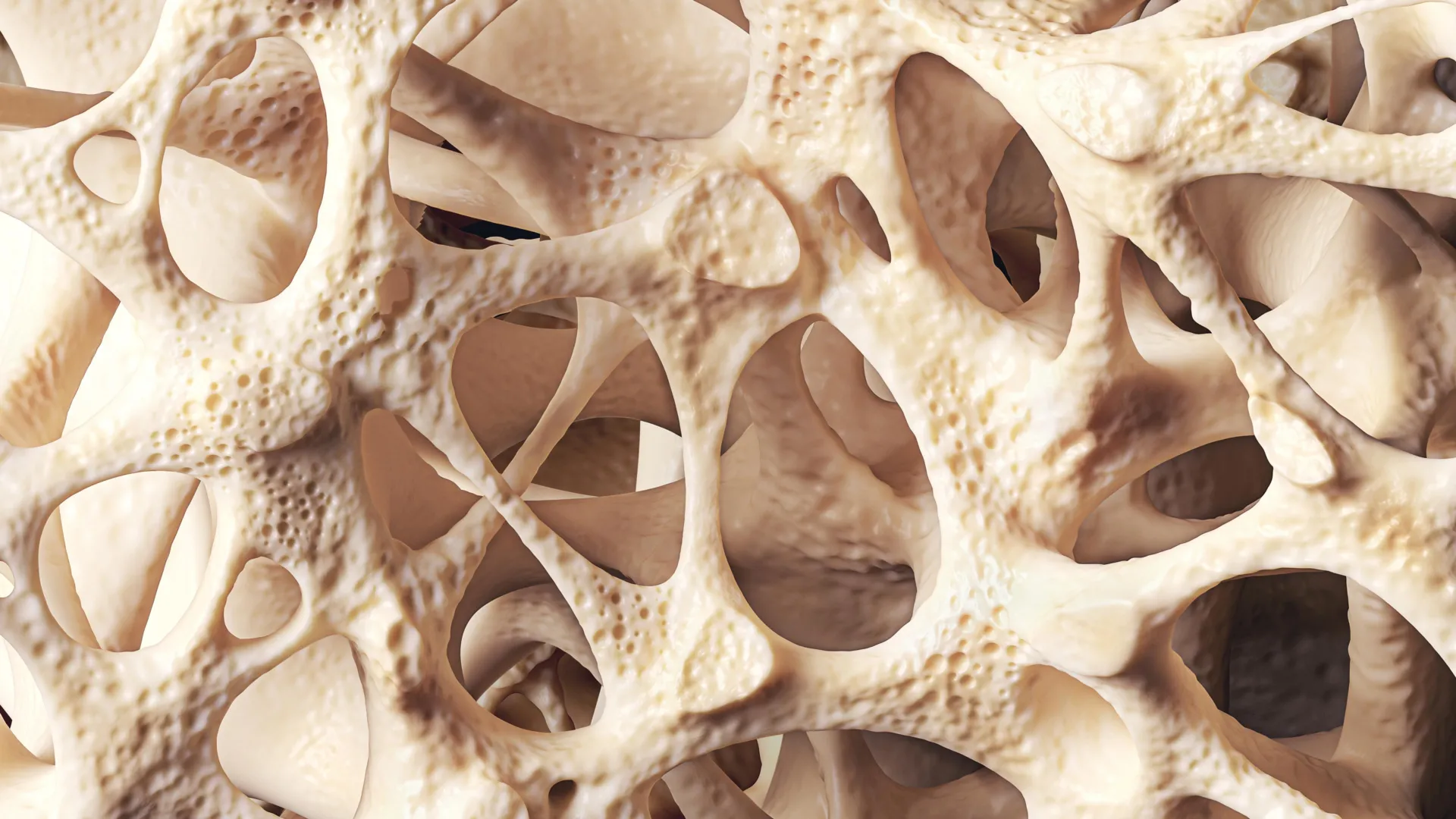
Osteopenia, a condition of lower-than-normal bone mineral density, affects around 40% of adults worldwide, particularly postmenopausal women and the elderly. In the UK alone, over 500,000 fractures annually are linked to low bone density. The condition develops silently without symptoms, and many people remain unaware until they suffer a fracture or undergo a bone density scan.
Bone is a dynamic tissue constantly remodeled. In early adulthood, bone resorption and formation are balanced, with peak bone mass reached in the mid-20s to early-30s. After this peak, bone loss gradually exceeds formation, leading to reduced density. Ageing is the primary risk factor, but others include hormonal changes (especially estrogen decline after menopause), smoking, excessive alcohol, physical inactivity, poor diet (low calcium and vitamin D), long-term steroid use, and conditions like Crohn's or coeliac disease.
Diagnosis is typically made via dual-energy X-ray absorptiometry (DXA) scan, with results given as a T-score. A T-score between –1.0 and –2.5 indicates osteopenia, while below –2.5 indicates osteoporosis. Early detection is crucial to prevent progression and fractures.
Management focuses on lifestyle modifications: weight-bearing exercises (walking, jogging, dancing), resistance training, and balance exercises like Tai Chi. Adequate calcium from dairy, leafy greens, or fortified foods, along with vitamin D from sunlight or supplements, supports bone health. In the UK, vitamin D supplementation is often recommended.
Not everyone needs medication. Clinicians use fracture risk assessment tools to estimate the 10-year probability of fracture. For high-risk individuals or those with prior fragility fractures, antiresorptive drugs may be prescribed to slow bone loss. Osteopenia should be seen as a warning sign—progression to osteoporosis is not inevitable. With early intervention and lifelong healthy habits, bone density can be maintained or even improved.