Pabriks: recent storm exposed Latvia's poor crisis readiness
Political scientist Artis Pabriks says the recent storm revealed that Latvia is less prepared for crises than he had assumed, pointing to long-known but unresolved gaps in medicine access, water supply and information flow. He calls it a final lesson before a possible military threat.
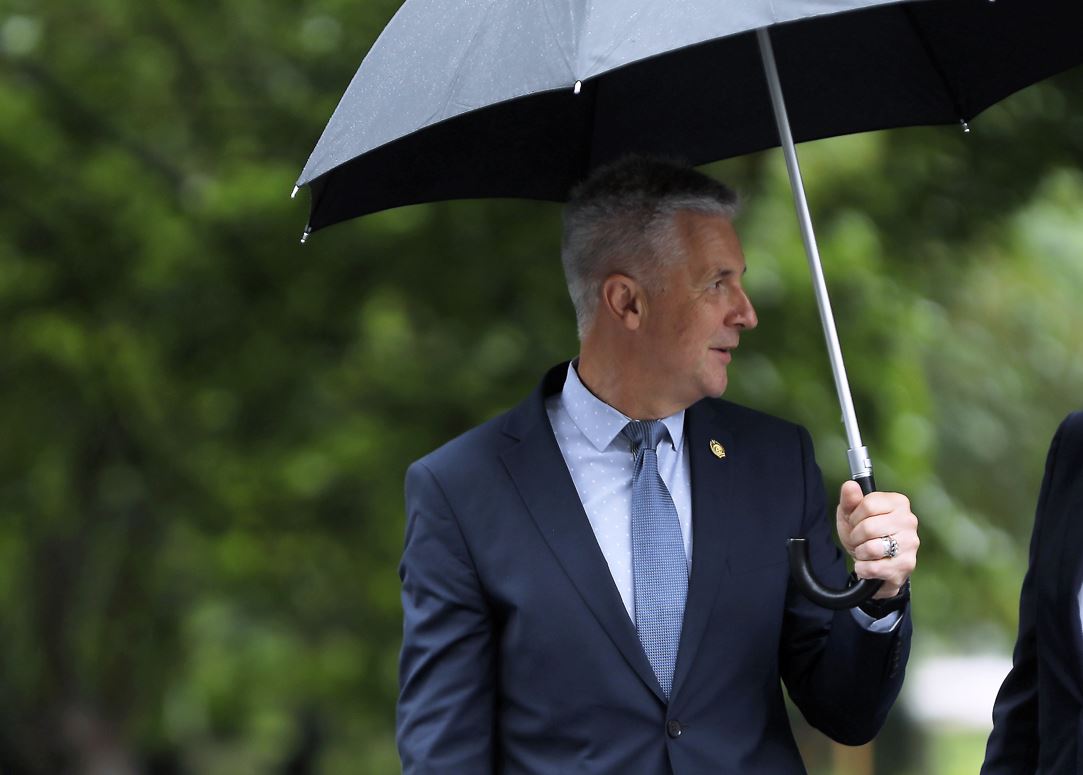
Artis Pabriks, director of the Northern Europe Policy Centre think tank and head of the Association of Military Technologies, Drones and Robotics, expressed disappointment on TV24's "Preses Klubs" programme about how Latvia handled the aftermath of a recent storm. He admits he had believed the country was better prepared for crisis situations before the storm proved otherwise.
Pabriks notes he did not take part in crisis management meetings himself, but sees problems in areas where solutions should have already existed. As an example, he cites access to medication when internet connectivity fails — seminars were already held in 2024 for municipalities and critical infrastructure representatives on Ukraine's wartime experience, including how pharmacies operated without electronic systems.
Water and sewage
A second example concerns water supply: Ukrainian specialists reportedly told Latvia that during a crisis, supplying water alone is not enough, since electricity and solutions are also needed to keep sewage systems running. Pabriks says he finds it hard to understand why these known problems still cause surprises years later, despite every municipality having crisis commissions and plans.
He stresses that imposing new formal obligations on businesses, such as mandatory generators, is not a solution without proper training and a clear division of responsibility between the state, society and businesses.
Bureaucracy and information
Pabriks also criticises the flow of information during the crisis, emphasizing the need for practical updates on help available, blocked roads and power restoration timelines. He points out that the storm's scale, not just its strength, is significant when considering a possible drone or missile attack of similar breadth.
He calls for reducing bureaucratic barriers, for instance allowing people to remove immediate hazards themselves without fearing later accusations over unfollowed procedures. Pabriks concludes that the storm was a test that the state, municipalities and businesses failed to pass.