Pakosta: New EU social media rules better match Estonia's wishes
Estonian Justice Minister Liisa Pakosta says the EU's new proposal on safe internet use places more responsibility on platforms and now aligns better with Estonia's position than the original draft.
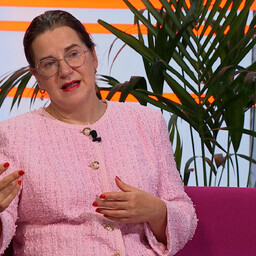
Estonian Justice Minister Liisa Pakosta said in an interview with "Aktuaalne Kaamera" that the European Union's new proposed regulation on safe internet use has shifted in the right direction compared to its original version and now better matches Estonia's interests, since it places greater responsibility on platforms.
According to the minister, negotiations must take place before any legal acts involving bans are adopted, and Estonia has so far been fairly successful in that process. Pakosta expressed satisfaction that Estonia managed to shift the overall direction of the regulation's concept, saying the goal is to make the platforms themselves change.
A bus with broken brakes
Explaining why social media can be dangerous under certain circumstances, the minister compared it to a bus with faulty brakes — sometimes an accident happens, sometimes it doesn't, but the brakes remain broken regardless. In such a case, she said, the answer isn't to keep children off the bus while letting everyone else ride, but to fix the brakes.
Pakosta stressed that platforms should not keep people hooked on social media or damage mental health, regardless of age. If platforms were safe, she noted, children could use them for self-expression too.
She does not consider it realistic for a parent and child to share a single account, with the parent monitoring all of a teenager's messages.
Asked whether Europe can actually rein in major platforms, Pakosta pointed out that the EU has 450 million people, and other countries are joining the effort — Australia, for instance, has already taken similar steps. She said international rules are needed to protect people, children above all. In her assessment, age restrictions are not the solution, since they have not worked anywhere in the world so far.
The European Commission previously presented proposals to improve children's online safety, including age restrictions on certain online services and calls for platforms to abandon features that can foster addiction. Under the proposal, children under 13 would be barred from using social media, while those under 15 would be unable to have a personal account — allowed only mini-accounts created and controlled by parents or guardians.


