Paraguay's President Peña Resigns Amid Collapse of Ueno Bank
Paraguayan President Santiago Peña resigned on Thursday after Ueno Bank was seized by the central bank, cutting about three million customers off from their accounts. The Chamber of Deputies was about to vote unanimously to impeach him.
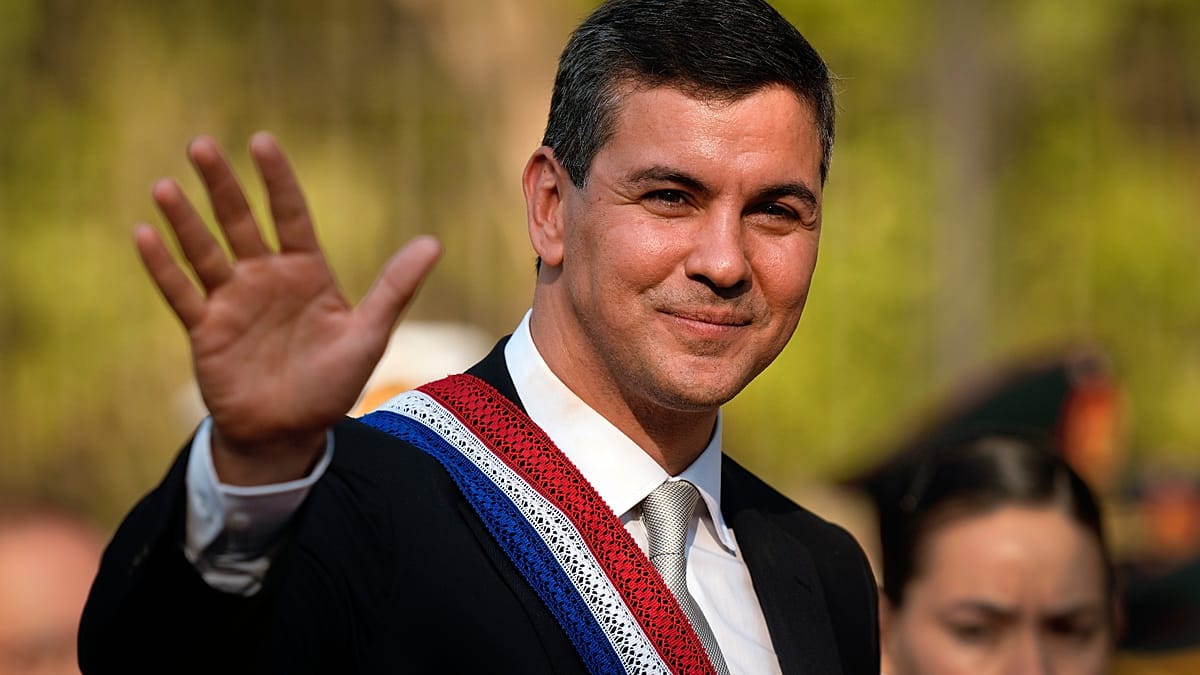
Paraguayan President Santiago Peña resigned on Thursday, 5 November, as a banking crisis gripped the South American country. This week the central bank took control of the digital lender Ueno Bank, leaving roughly three million customers suddenly unable to access their accounts. Peña stepped down just before the Chamber of Deputies voted unanimously to impeach him.
The president, a close ally of US President Donald Trump, announced his decision in a video on X while lawmakers were debating impeachment. He said he was leaving for the sake of the country's stability, social peace and the preservation of democratic institutions, and apologised if he had failed the public. He did not, however, accept responsibility for the banking crisis.
How the bank fell
The central bank seized Ueno on Tuesday, citing a severe capital shortfall. Regulators found poorly documented lending and expenses wrongly booked as assets. Once the accounts were corrected, the bank's capital stood at half the legal minimum. Its app, cards and transfers stopped working and branches closed, with long lines forming outside in Asuncion. On Wednesday a rush to open accounts at other banks crashed their mobile apps. Angry protests took place in the capital on both evenings.
Ueno claimed more than 60% of Paraguay's adults as customers. They are now trying to recover savings and government pensions, while 7,000 bank employees face unpaid wages.
Links to the government
Peña held a stake until last year in a company related to Ueno's holding company. Under his government, public money flowed into the bank, and he appointed Carlos Carvallo, who had headed Ueno's predecessor Financiera Ueno, to run the central bank. As of last month Ueno reported about $800 million (€712 million) in public deposits, roughly a quarter of its total. Paraguayan newspaper ABC Color reported that in June central bank inspectors found risky lending to companies tied to the bank's owners. Peña had dismissed the warnings as a smear campaign.