Building your own mechanical keyboard: is it worth it?
Tech site Engadget weighs up whether assembling a custom mechanical keyboard justifies the money and time. A custom build usually costs more than a pre-built model, but it gives full control over the result.
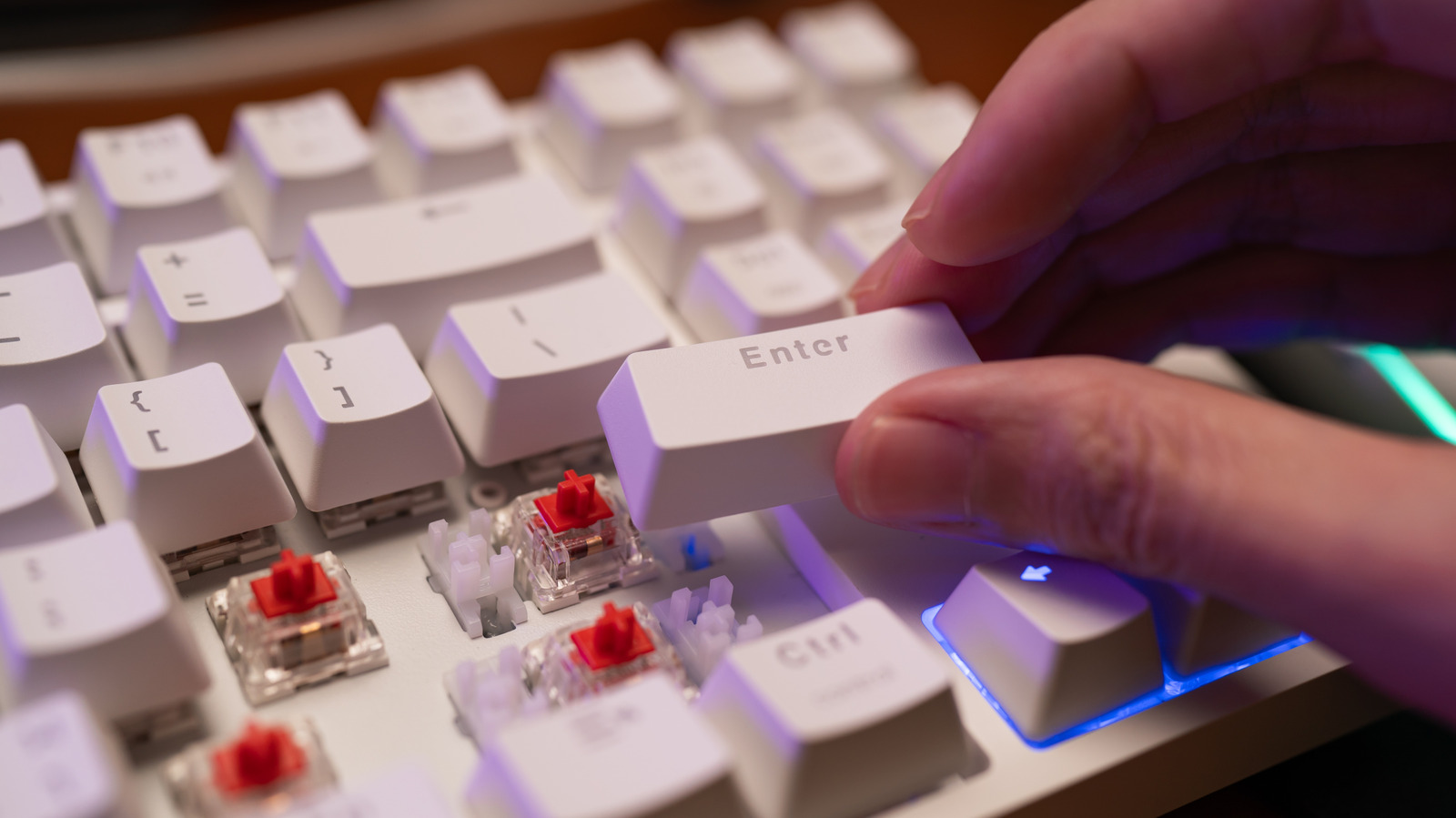
Mechanical keyboard enthusiasts now have more options than ever, including building a keyboard themselves. Tech outlet Engadget notes that before ordering parts, it is worth deciding whether such a project fits both your budget and your patience.
Cost and time
Budget comes first. Good mechanical keyboards are not cheap, and building your own almost always costs more than buying a ready-made one. A decent mechanical keyboard can be found for about $50, although $100 or more is a more realistic expectation. In a custom build, the case alone can cost about that much.
Time matters as well. Assembling the parts takes a while, but research will likely take even longer. You must choose a case size and switch type, understand how a keyboard's components fit together, and work out which tools the job needs. For some hobbyists that complexity is part of the appeal, but for people who care more about the finished product than the process, it can feel overwhelming.
Why it can be worth it
The advantage of a custom build is that you can make a keyboard to your exact specifications. If you have an unusual idea that pre-built models do not cover, building may be the only way to get it. The switch connecting the keys to the circuit board determines how typing feels and sounds, so if you favor a rare switch type that is uncommon in pre-built keyboards, a custom keyboard may be your only option.
Easier alternatives
You do not have to start from scratch. DIY kits come with a case that already has essentials such as the circuit board, switch mounts and sound dampeners installed. You still pick the switches and keycaps. However, a kit can cost as much as a full custom build, or even more.
Another route is a hot-swappable keyboard. Traditional mechanical keyboards have switches soldered to the circuit board, whereas hot-swappable ones let you pull out switches and replace them. Changing switches is generally the most impactful modification, so these models offer a taste of customization without a full build. They are not much cheaper than custom parts and kits, but they can still serve as an attainable entry-level option.