Walking the 1066 Trail in East Sussex: A Mosaic of History and Nature
The article describes a four-day hike along the 1066 Country Walk in East Sussex, from Pevensey to Rye, highlighting the interplay of history, landscapes, and a sense of time slipping between past and present.
Walking the 1066 trail in East Sussex feels like a journey through time, with landscapes shifting from the Pevensey Levels to forests and hills. Three friends – Pamela, Annie, and Mike – along with a dog named Fflos, embarked on a four-day hike covering 31 miles from Pevensey to Rye, with stops at Herstmonceux, Battle, Icklesham, and more.
On the first day, they crossed the Pevensey Levels, where countless horseshoe impressions in the ground reminded them of the Norman army that passed nearly 1000 years ago. They later reached Battle, the likely site of the Battle of Hastings, where thousands of soldiers and horses died in October 1066.
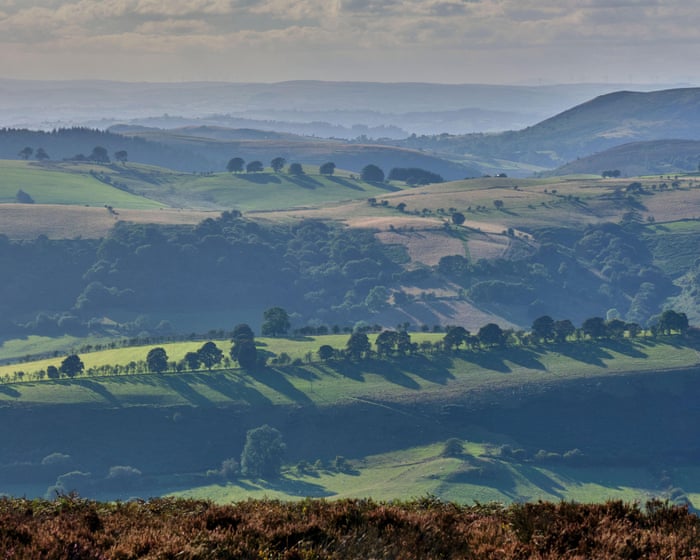
The second day was the longest and steepest, yet their favorite, leading through Wartling Wood, Boreham Street, and past ancient oaks. Landscapes alternated between dark forests and open fields, creating a sense of time slipping between present and past. Mike, a mushroom enthusiast, gave a tutorial on various fungi, including fly agarics and boletes.
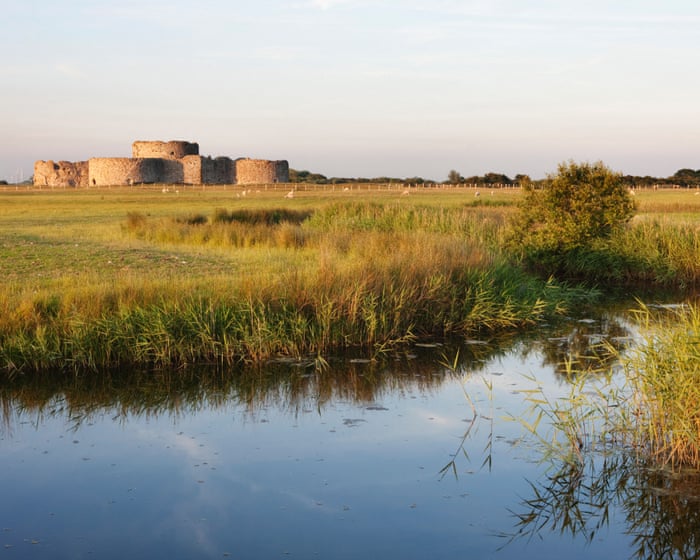
On day three, they crossed a golf course and deep countryside, encountering Keith Pettit's Bayeux tapestry-inspired sculptures along the route. The final day took them to medieval Winchelsea, where they visited St Thomas's Church with modern stained glass windows, and then to Rye, passing the ruins of Camber Castle. The author notes that, like the Bayeux tapestry, the landscape features russet, sage, and ochre hues.
The Bayeux tapestry will be on display at the British Museum from 10 September 2026 to 11 July 2027.