In search of the perfect bouchon in Lyon: a guide to traditional bistros
After years living in Lyon, the author learns to distinguish genuine bouchons from tourist traps and rates five iconic establishments.
The author first visited a bouchon as a 20-year-old Erasmus student, hitchhiking to Lyon from the Auvergne countryside. Her initial experience was disappointing – stringy, overpriced beef. But after nearly five years in the city, she learned to avoid tourist traps in Vieux Lyon.
Historically, most bouchons were not in the old town but in Vaise, Croix-Rousse, and La Guillotière – gateways to the city during the Renaissance where merchants and travellers stopped. The name likely comes from a wisp of straw used to mark inn doors, not from wine cork. Hallmarks include shared tables, checked tablecloths, pots de vin, and copious meat, especially offal.
In the 19th century, bouchons were largely run by women, the Mères Lyonnaises, serving andouillette, calf's kidneys, and cervelle de canut (a soft cheese). Michelin discovered Eugénie Brazier in 1933, awarding her six stars – three for each of her two restaurants. She remained the most decorated chef for 65 years.
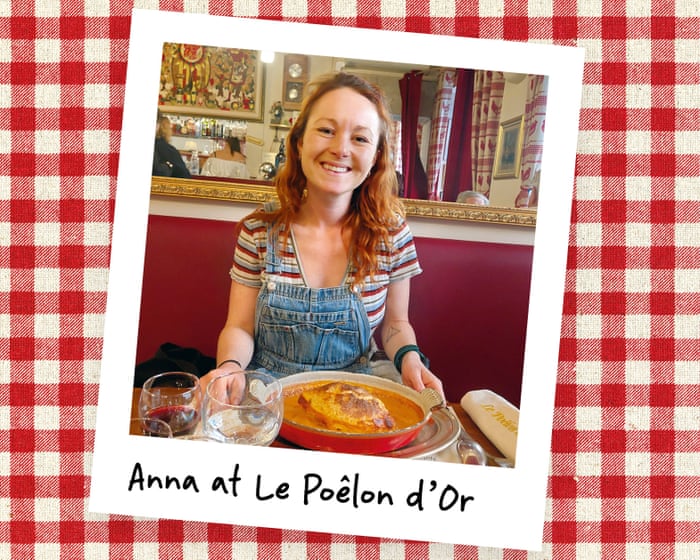
The author reviews five bouchons. Le Poêlon d'Or – quenelles with crayfish sauce €24; rating 7/10. La Meunière – mâchon (breakfast feast of meats and wine) €34; 8/10. Café du Jura – pâté en croûte €17.50; 7.5/10. Les Fines Gueules – oxtail macaroni gratin €30; 7/10. Chez Hugon – two-course set menu €30; 9/10. The last, with poulet au vinaigre, was the best – the author confessed she would choose it over her mother's Sunday roast.
Bouchons remain the heart of Lyon's culinary heritage, and while many have become touristy, authentic ones still thrive outside the old town.