After the storm, silence – not darkness – frightened people near the border, says professor Zelče
Following the August 22 storm, residents near the Latvia–Lithuania border were left without electricity, phone service and internet, prompting Latvian University professor Vita Zelče to compare the information vacuum to the 1940 occupation. Her social media post sparked wide debate about state preparedness and the fragility of modern life.
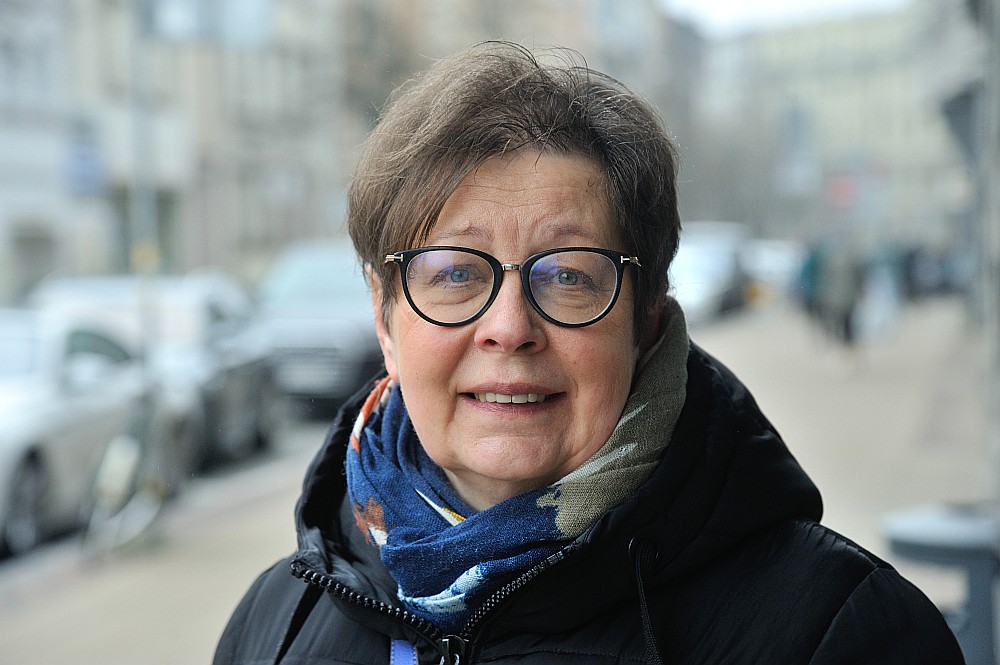
The destructive storm of August 22 left people in many parts of Latvia without electricity and water, but also without mobile communications and internet. Latvian University professor Vita Zelče described her experience from the Latvia–Lithuania border area, about 80 kilometers from Riga, where the storm toppled many old trees, damaged a historic 19th-century park, and destroyed forest areas and orchards.
According to Zelče, power and mobile service in the area went down around 7:40 p.m. on Saturday and remained unrestored for a long time, taking the water supply down with them. Some messages could still be sent for a while when phones connected to a Lithuanian operator's network, but internet access was practically unusable, and Latvian mobile towers were not working.
A comparison to the occupation era
Zelče was particularly critical that radio broadcasts the day after the storm played music and reported on government achievements, without mentioning the affected region at all. In her view, the only reliable information was what a person could verify directly — whether the lights turned on, whether the phone worked, whether water flowed from the tap, and what could be seen by going outside. She compared this to 1940 and 1941, when most Latvians learned of the Soviet and Nazi occupations by seeing incoming military vehicles rather than through official announcements.
Online debate
The post triggered widespread discussion. Some commenters stressed the importance of personal preparedness, while others argued the real problem was not fallen trees or a lack of supplies, but people being cut off from information about their surroundings and the safety of loved ones. Some participants said state and municipal response was inadequate in places, and mentioned reports of fuel shortages for rescue workers, though such claims could not be independently verified from the social media post alone.
Several commenters concluded that modern daily life is fragile — losing electricity can also mean losing water pumps, payment systems and access to timely information.