Pennsylvania issues alert over congenital measles cases
Pennsylvania's health department has issued an alert as measles cases during pregnancy, and congenital measles in newborns, keep rising in the state's outbreak. Such cases had not been seen in the US for decades.
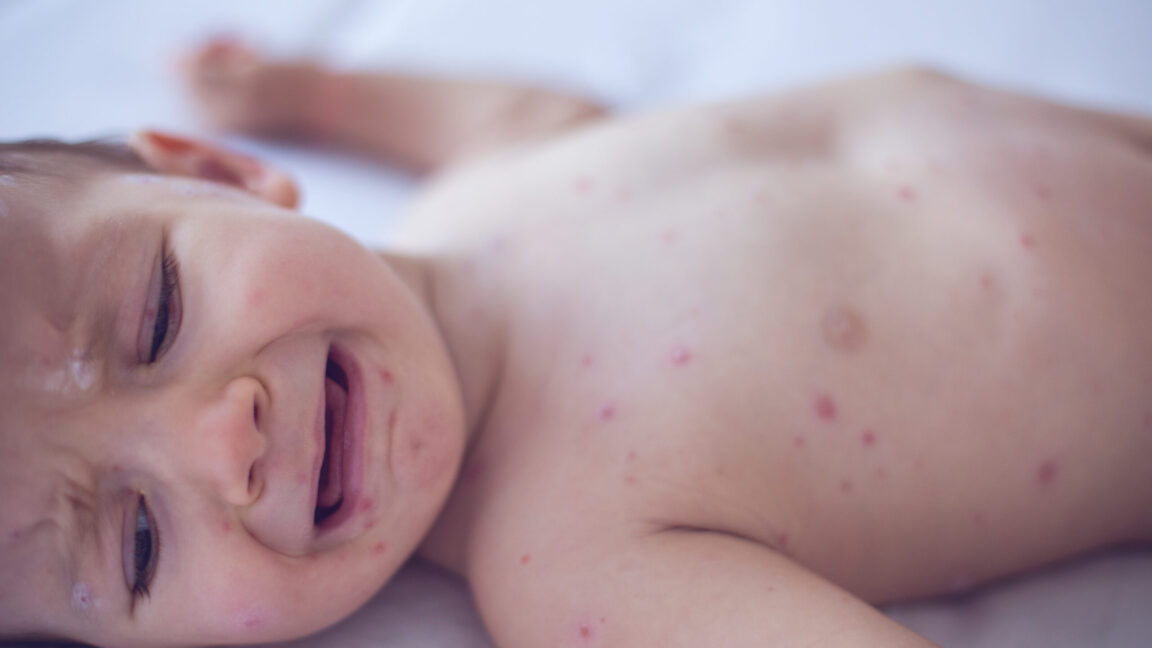
Pennsylvania's health department issued a health alert on Monday, October 19, as measles infections in pregnant women, and in turn congenital measles in newborns, continue to climb in the US state. The department said congenital measles had not been seen for decades before the current outbreak. The alert includes detailed clinical guidance for doctors on handling measles exposures and cases during pregnancy and in newborns.
Scale of the outbreak
As of October 19, Pennsylvania had recorded 1,286 measles cases this year across 42 counties. Of those patients, 247 were hospitalized and six people have reportedly died. The most recent death is still under investigation by the state health department and will be added to the official tally afterward. Reporting by The 19th earlier this month put the number of measles cases during pregnancy at 53. At least one case of congenital measles was fatal: the first death reported in the outbreak was a baby boy who died immediately after birth while his mother was severely ill with measles.
Why it is dangerous
Measles is a highly infectious virus. After decades of successful use of the MMR (measles, mumps and rubella) vaccine, many doctors have never seen such cases in their careers. But with vaccination rates slipping nationwide, the virus can more easily gain footholds in under-vaccinated communities and spread rapidly, as is happening in Pennsylvania.
Pregnant people who have neither been vaccinated nor previously infected are susceptible. Measles during pregnancy raises the risk of hospitalization, pneumonia, the need for oxygen support or mechanical ventilation, and death. It also raises the risk of miscarriage, stillbirth, low birth weight and preterm labor.
The MMR vaccine is not recommended during pregnancy because it is a live attenuated vaccine and carries a theoretical risk of causing infection in a fetus. A pregnant person who is exposed to the virus is advised to receive intravenous immunoglobulin, but only if it is given within six days of exposure.