Study reveals how Australian wildlife is moving into people's homes
A decade-long analysis of wildlife rescue data shows habitat loss is pushing possums, bats and other native Australian animals to live inside houses. Researchers suggest architects should design buildings with wildlife in mind.
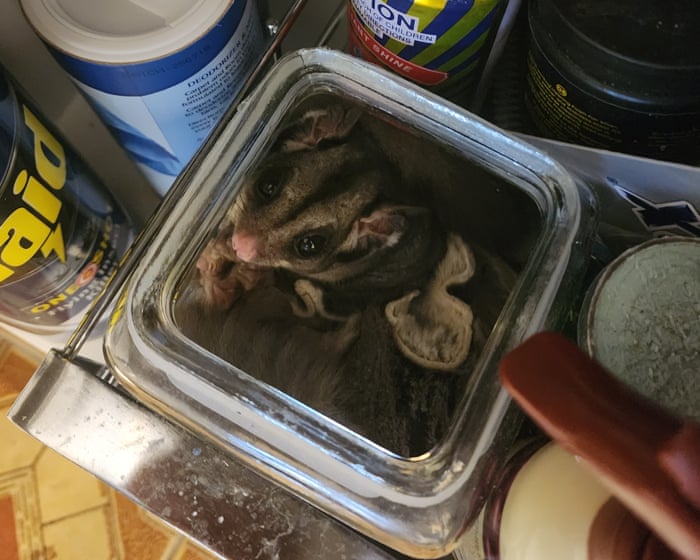
A new study published in People and Nature has found that Australian houses are increasingly becoming substitute habitats for native wildlife as natural homes and tree hollows disappear. Researchers from the University of Melbourne examined nearly a decade's worth of wildlife rescue reports, covering around 2,400 cases of animals found living inside buildings.
Lead author Bethany Kiss, an architect, said brushtail and ringtail possums accounted for half of all recorded cases, followed by microbats and bare-nosed wombats. Most animals were discovered in roof spaces, wall cavities, garages and under houses, though some turned up in less expected spots such as letterboxes or air conditioning units. About one in ten cases involved animals found inside living areas like bedrooms and kitchens.
Unexpected houseguests
Wildlife Victoria, which supplied data for the study, shared several notable examples. One caller reached under her kitchen sink for a dishwashing tablet and instead found juvenile sugar gliders — rescuers later discovered five more nearby. In another case, an echidna wandered into a house and headed for the pantry, attempting to dislodge items including a food processor, before the homeowner, herself a wildlife rescuer, safely released it outside. In New South Wales, the Wires rescue service recalled a koala that wandered down a hallway and was later found sitting calmly on the resident's bed.
Rehabilitation specialist Ericka Tudhope said bats roosting in roofs was common and harmless, noting they help control insect numbers and rarely damage wiring or cables.
Designing for coexistence
Kiss noted that while such encounters in Australia are mostly accidental, buildings in the United Kingdom are increasingly designed with wildlife in mind, including requirements for swift nesting bricks in new developments. She argued that Australian architecture could similarly incorporate features like possum boxes or swallow shelves, and suggested involving ecologists in building design alongside engineers.
Co-author Prof Sarah Bekessy said research consistently shows that everyday encounters with wildlife benefit people's mental wellbeing and strengthen their connection with nature, making cities healthier and more resilient. Wildlife organisations encourage residents to contact local rescue services if they find an animal in their home, while supporting peaceful coexistence where possible.


