Study: Nuclear Blast in Space Could Knock Out Nearly All Low-Orbit Satellites Within Weeks
US researchers modelled a nuclear detonation in space and found it would almost completely disable satellites in low Earth orbit. The study was posted on the arXiv platform.
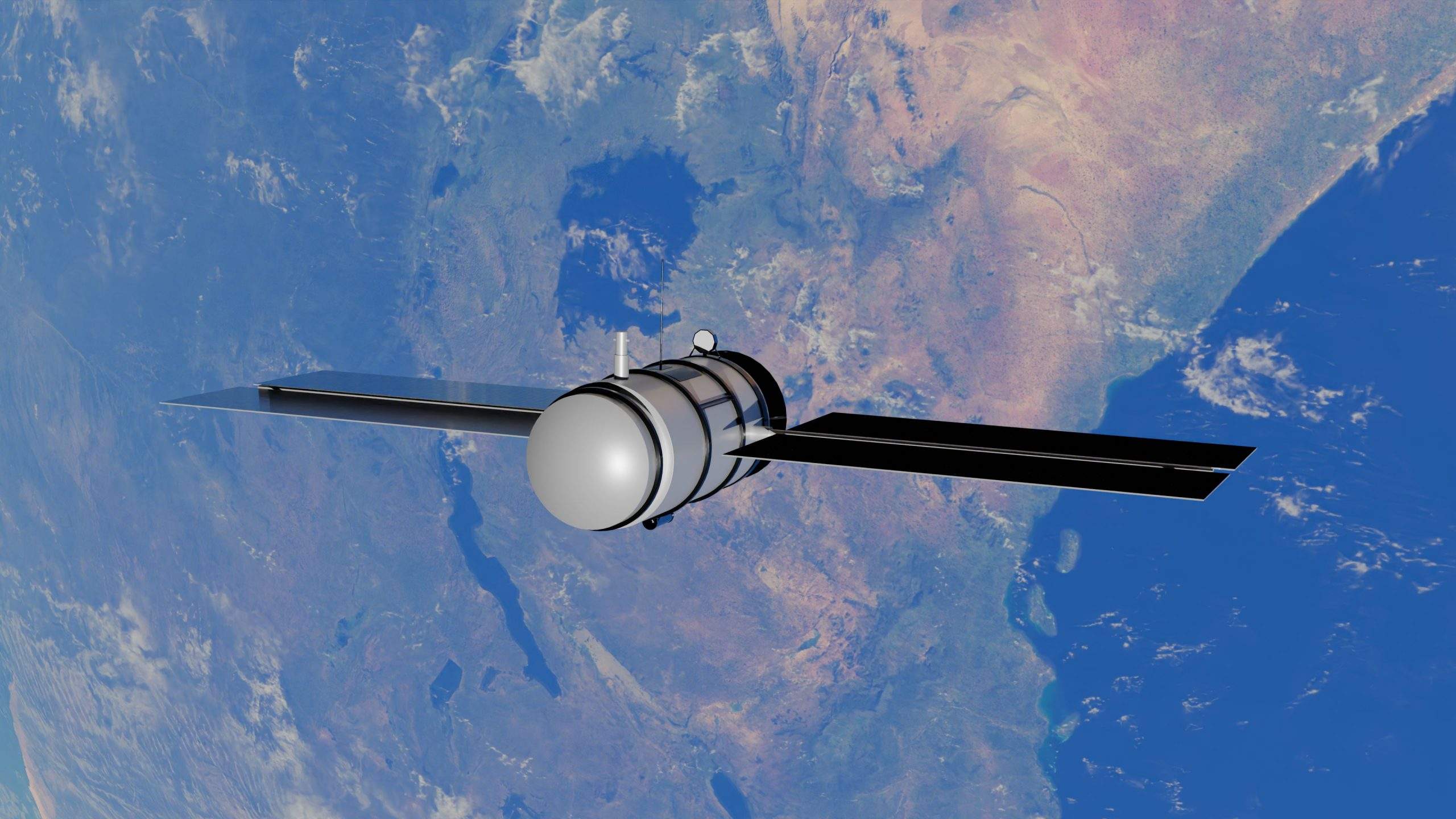
Scientists from the University of Wisconsin–Madison and Princeton University warn that even a single nuclear bomb detonated in space would have catastrophic consequences for satellites, which underpin much of Earth's infrastructure. The study was posted on the research platform arXiv; it was reported by the Ukrainian outlet Unian, citing the Indian outlet WION.
The publication says countries are currently competing to deploy weapons in space, and some experts believe nuclear weapons may already have been placed there. According to the researchers, a blast at a sufficient altitude could destroy nearly all satellites in low Earth orbit.
The modelled scenario
The team simulated a one-megaton nuclear explosion at an altitude of 500 kilometres above the southern Atlantic Ocean. Earth's magnetic field is relatively weak there, in an area known as the South Atlantic Anomaly. Electrons produced by the decay of radioactive material would be trapped in the magnetic field, forming an artificial radiation belt. Lead author Zach Petersen explains that, unlike a brief burst of radiation, this belt would expose satellites to radiation every time they passed through it.
Results of the simulation, if the blast happened today:
- after one day, 25% of satellites, about 13,300 devices, would stop working;
- after three days, 78%;
- after a week, 98%;
- after 15 days, 99.4%.
Even with improved radiation shielding, 99.3% of satellites would fail within 30 days. With a less powerful 100-kiloton warhead, 99% of satellites could stop working within a year.
Debris risk
The researchers predict about 20 collisions between objects in orbit during the first two years after the blast. Around 3,900 new pieces of debris could appear within ten years. Further collisions could trigger uncontrolled growth in debris over several centuries.
Precedent from 1962
In 1962 the United States conducted a nuclear test in space called Starfish Prime, which caused power and communications disruptions in Hawaii, roughly 1,400 kilometres from the test site. On Oahu, nearly 300 streetlights went out, telephone lines were disrupted, and security alarms began sounding for no apparent reason.