Study: Microplastics Generate Reactive Molecules in Water That Can Harm Cells
Scientists at Columbia University and UC Berkeley have described in Nature a chemical process in which microplastics in contact with water form reactive oxygen species. These can damage living tissue, though the study does not prove that it causes specific diseases in humans.
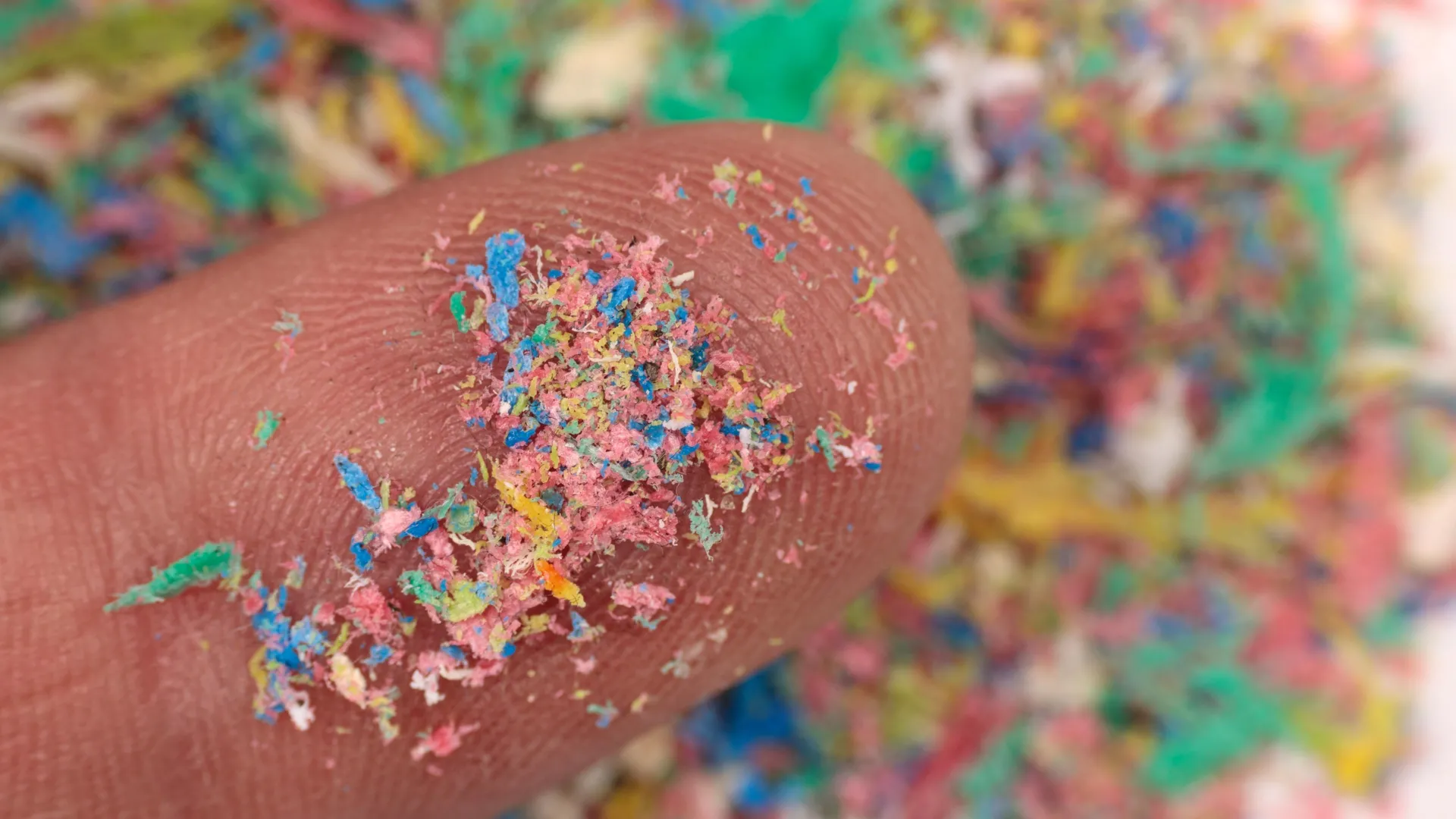
Researchers at Columbia University and the University of California, Berkeley in the United States have identified how tiny plastic particles can chemically alter the water around them, according to a study published in the journal Nature. The finding challenges the long-held view that microplastics are passive, chemically inert fragments, and it prompts fresh questions about their possible effects on human health.
What was found
As plastic breaks down into microplastics and even smaller nanoplastics, its exposed surface area grows sharply. The team found that these surfaces, in contact with water, produce reactive radicals known as reactive oxygen species (ROS). Such molecules can damage components of cells and tissues.
Water plays an active part in the process. Many plastics are hydrophobic, meaning they repel water, and near their surfaces electrons can move between chemical species. The Berkeley team, using theoretical calculations and computer simulations, showed that hydroxide ions concentrate in the water layer next to the plastic surface and lose electrons more readily, forming hydroxyl radicals. These are highly reactive and can damage biological molecules.
Possible significance
Blood and cells contain a lot of water, so the authors say microplastics inside the body could keep taking part in chemical reactions. The results offer a possible explanation for some harmful effects linked to microplastic exposure, but they do not establish that this process causes specific diseases in people.
In 2024, the Columbia group used a laser-based microscopy technique to detect an average of about 240,000 plastic particles per liter of bottled water, mostly nanoplastics, which was 10 to 100 times more than earlier estimates. Studies in major journals have reported associations between microplastic exposure and heart attacks, strokes, dementia and brain tumors. In 2026, the U.S. federal government launched a $144 million initiative on microplastics in the body, and the Environmental Protection Agency listed microplastics for the first time among contaminants of possible concern in drinking water.
The researchers say understanding the mechanism could help in designing plastics that generate fewer harmful molecules in water. The reactions may also affect aquatic organisms and ecosystems.