Researcher: Russia Is Calling the Shots for the US in Ukraine Peace Process
Marek Kohv, a research fellow at Estonia's International Centre for Defence and Security (ICDS), says Russia is effectively dictating the course of the US-led Ukraine peace process. He points to Washington's wish for business ties with Moscow and to US midterm results as factors.
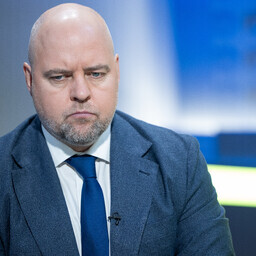
Russia is currently setting the pace in the US-led peace process for Ukraine, and Washington's wish to build business ties with Moscow is part of the reason, according to Marek Kohv, a research fellow at the International Centre for Defence and Security (ICDS), a Tallinn-based think tank. He spoke to ERR News.
Kohv argues that the United States is effectively relaying the same demands Russia made in 2021, before it launched its full-scale invasion of Ukraine. He questions whether the term "peace process" is even appropriate: in his view, the Americans have given Russia a platform to repeat long-standing demands. Moscow, he says, wants Europe to have no say on matters concerning Russia, while keeping the tools to influence European decisions.
Why Washington is acting this way
Kohv links the US stance to the Trump administration's long-held wish to establish business ties with Russia. If some form of peace were reached, sanctions relief could be discussed, which would allow those ties to grow. He also cites the US midterm results: Trump has a fairly limited window to pressure Ukraine as he is now doing, and Putin understands this. Kohv adds that Trump wants to present himself as a peacemaker again.
Demands aimed at Europe
German newspaper Bild reported last Friday that Russia's proposals for a new European security architecture, which Moscow wants to discuss alongside peace talks, affect the Baltic states, Finland and Moldova. According to the paper, Moscow wants Finland to leave NATO, the alliance to dismantle its bases in Estonia, Latvia and Lithuania, and Moldova to become a federation.
Kohv says these demands cannot be taken seriously. He points to a contradiction: Russia demands NATO pull its forces back to 1997 positions, yet would supposedly have to accept Ukraine joining NATO. He does not believe any NATO ally would agree to withdraw forces from the Baltics, and notes that nearly two-thirds of Americans support the current US role in NATO.
Europe's position
In Kohv's view, Europe should come to the table with a clear counterproposal: Russia must not dictate terms to Ukraine, Europe or NATO, and talks can only take place once the guns fall silent. He says Europe has missed a chance to show strength by getting bogged down in disputes over who should represent it. EU High Representative Kaja Kallas, he says, is unacceptable to both Russia and the US, though for different reasons.
Kohv could not predict when a negotiating format might begin. He notes that Putin is pinning hopes on next year's French elections, while the Trump administration is in a hurry; once a Democratic-controlled Congress asserts itself, the bigger problem may emerge in Europe.