Ahead of September 1: Latvian schools still lack funding for textbooks, union leader admits
Inga Vanaga, head of the Latvian Trade Union of Education and Science Employees, says school funding for teaching materials remains insufficient, and next year's budget may cut it further.
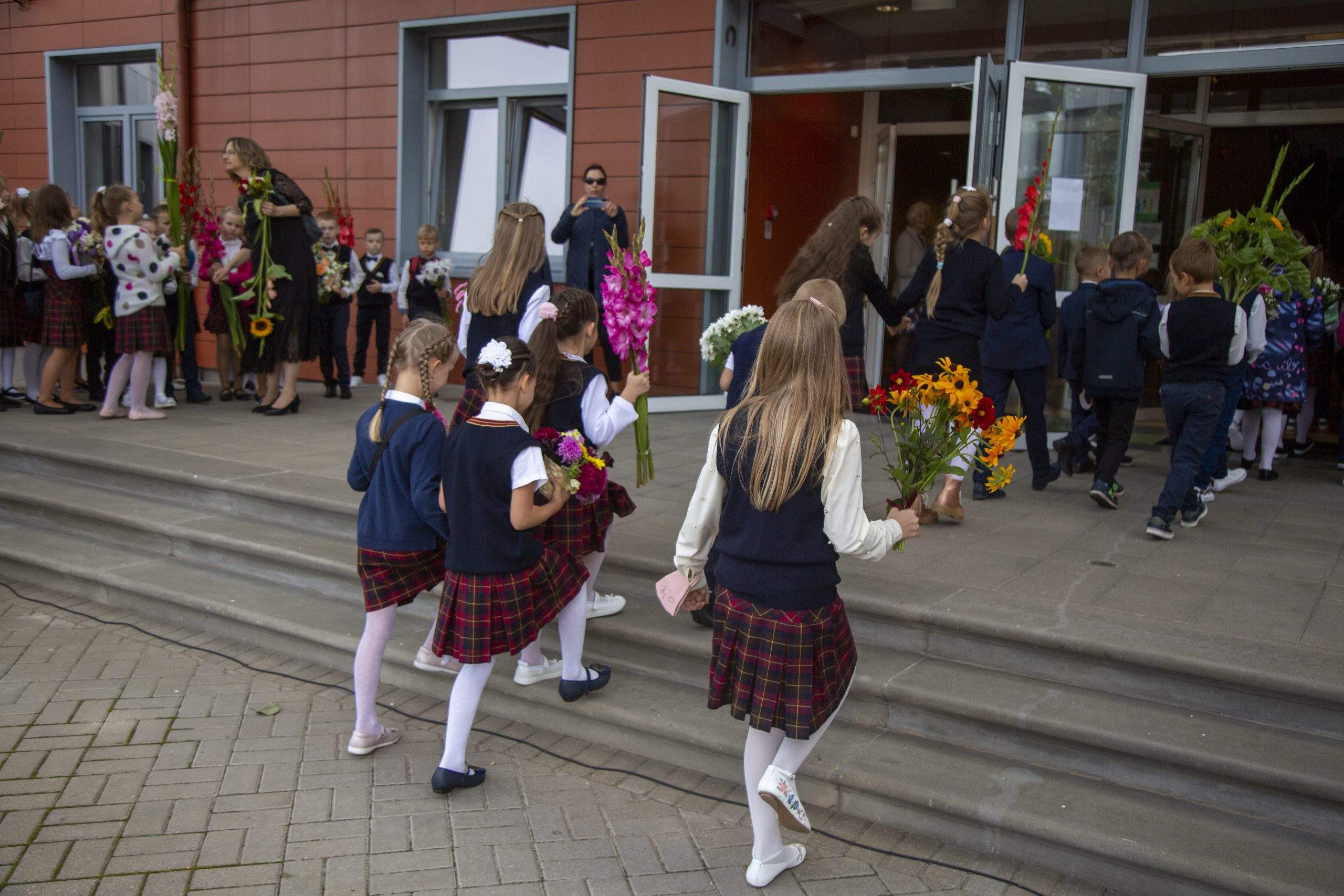
With the new school year about to begin, Latvian schools still lack sufficient funds to buy textbooks, workbooks and other materials needed for daily lessons. Inga Vanaga, head of the Latvian Trade Union of Education and Science Employees, said this on the TV24 programme "Uz līnijas," acknowledging that the problem is not new but remains unresolved.
According to Vanaga, schools currently receive roughly 35 euros per student, which is not enough given the real cost of textbooks and workbooks. She noted the issue extends beyond paper materials — modern schools also need digital learning resources, along with equipment and supplies for subjects such as chemistry, physics and biology.
Funding may shrink further next year
The union has repeatedly raised the funding shortage with both the Ministry of Education and Science and members of parliament. However, Vanaga said next year's state budget plans to cut per-student funding by 14 euros, which she believes exposes a gap between political statements about child-centred education policy and actual budget priorities.
Parents also feel the practical effects of the shortage — schools still rely on photocopied worksheets and worn-out textbooks, while municipalities cover part of the costs, though their financial capacity varies significantly. This means a student's access to a full set of quality learning materials can depend on where they live.
Warning issued years ago
Vanaga recalled that during the development of the "Skola 2030" curriculum reform, the union had already warned that implementing the new content well would require adequate staffing and materials, not just a new curriculum. Although the reform project has formally concluded, the question of whether schools have sufficient, quality learning materials remains open.
The union leader urged parents not to blame school principals or individual teachers for the shortages, since funding decisions must be made at the national level. In her view, if the state wants modern, quality education, the curriculum must be matched with adequate funding — otherwise expectations placed on teachers and students keep rising while the resources to meet them stay insufficient or even shrink.