Dispute over Poland's Constitutional Tribunal escalates into a constitutional crisis
In the night of 31 October, seven newly elected judges of Poland's Constitutional Tribunal entered the court building with police help and suspended its president for a month. President Karol Nawrocki calls it a forcible seizure of an institution, while Prime Minister Donald Tusk speaks of restoring the rule of law.
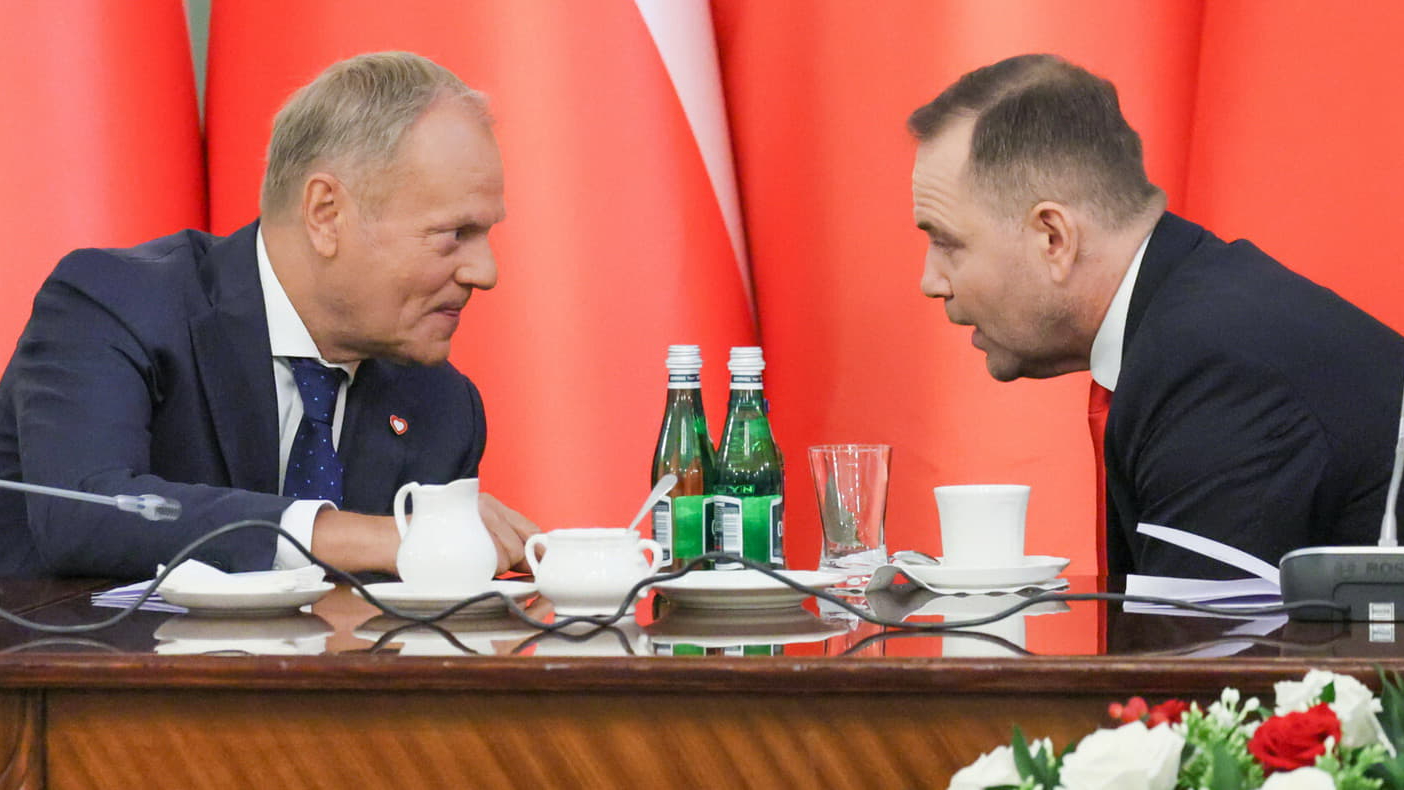
A long-running dispute over Poland's Constitutional Tribunal, the top court that reviews whether laws comply with the constitution, escalated overnight into 31 October. Seven newly elected judges entered the court building in Warsaw with police assistance and announced the suspension of tribunal president Bogdan Święczkowski and his deputy Bartłomiej Sochański. Opponents call this an unlawful seizure of power, and the country is now in an open constitutional crisis.
The root of the dispute: judges' oath
Tribunal judges are elected by parliament but must take an oath in the presence of the president. After the 2023 elections, Donald Tusk's governing coalition was set to elect eight of the 15 judges as the terms of several judges appointed under the previous government expired. President Karol Nawrocki, who is backed by the opposition Law and Justice party, refused to accept the oath from the new judges. In response, the coalition held the oaths in the Sejm without the president. The ruling coalition recognises these judges; the opposition and the president do not.
Tribunal sittings require a quorum of 10 judges, which is currently lacking.
The suspension and its justification
The oldest judge, Anna Korwin-Piotrowska, was named the new tribunal president. For the suspensions, the judges relied on a provision of the law on ordinary courts that allows a judge to be removed from duties for up to a month. The stated grounds are Święczkowski's refusal to let the new judges work and the blocking of the tribunal's budget. The article's author argues that this provision should not apply to tribunal judges.
Reactions
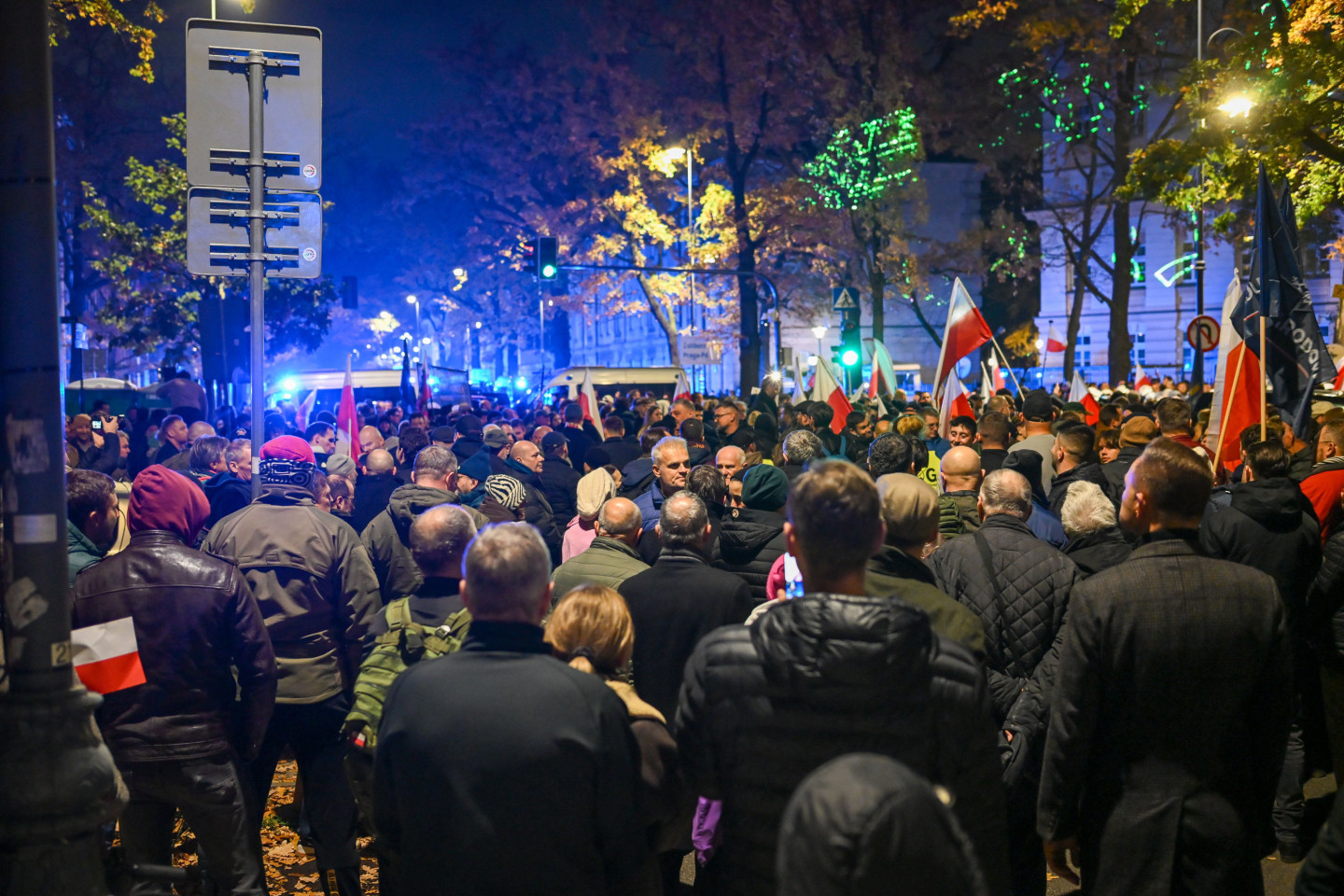
A rally of right-wing supporters gathered outside the building. Nawrocki hurried back to Warsaw from a trip on which he was flying to Senegal, entered the tribunal and called urgent consultations with parliamentary forces. Tusk describes the events as restoring the rule of law, while Nawrocki calls them a forcible seizure of a constitutional body.
The author assesses that a quick compromise is unlikely: the suspension lasts a month, and the government could use that time to bring charges against Święczkowski, including over the Pegasus spyware case.