Sunflower acreage in Poland up almost ninefold in six years
Data from Poland's Agency for Restructuring and Modernisation of Agriculture (ARiMR) show sunflower area rose from about 9,600 to 85,700 hectares between 2020 and 2026. Soybean, sorghum and other alternative crops also expanded sharply.
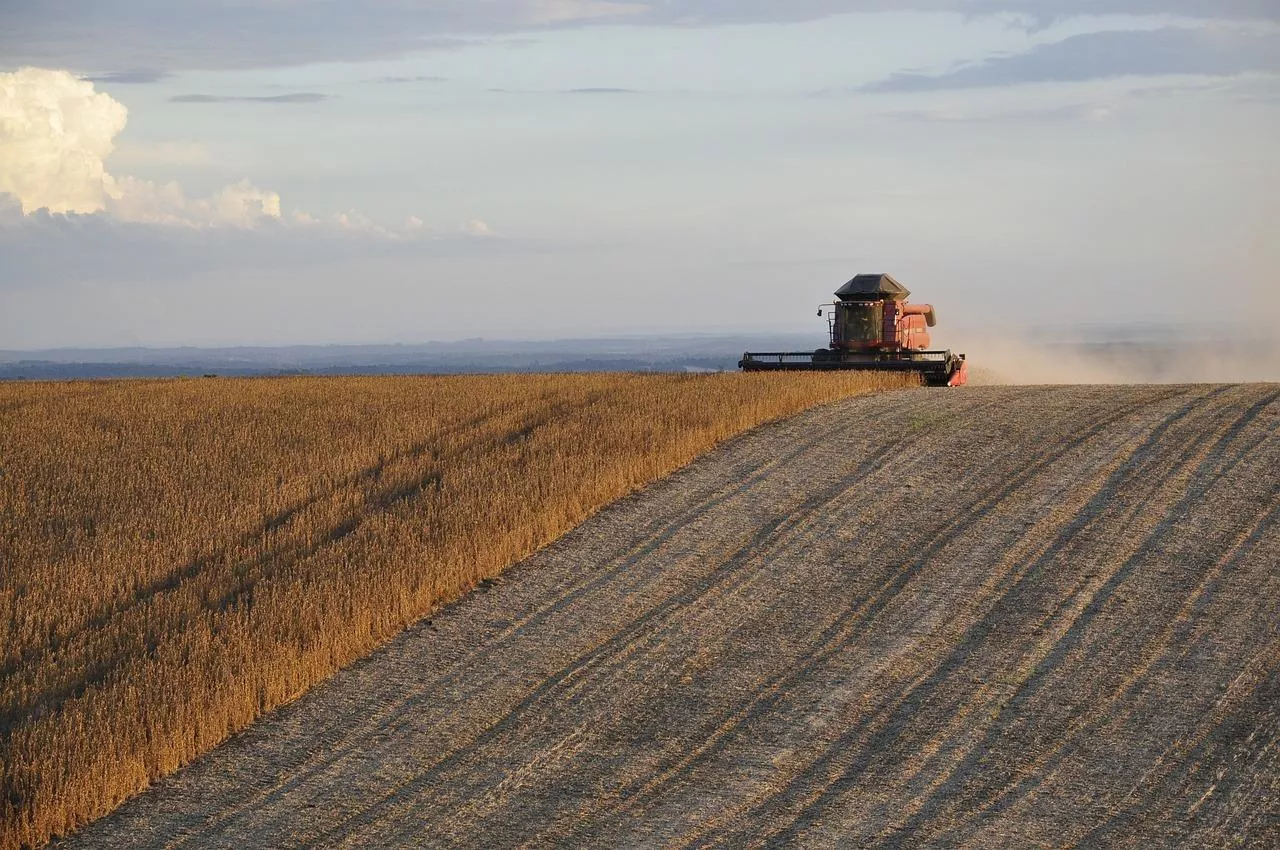
Polish farmers are increasingly turning to alternative crops instead of relying on wheat, maize and rapeseed. This emerges from a comparison of 2020 and 2026 area-payment applications compiled by ARiMR, Poland's Agency for Restructuring and Modernisation of Agriculture. The biggest shift was recorded for sunflowers.
Sunflower and soybean
The sunflower area grew from 9,647.03 hectares in 2020 to 85,697.54 hectares in 2026, an increase of almost 800%. Farmers value the crop's tolerance of periodic water shortages. For some holdings it is an alternative to rapeseed, which has often struggled in recent seasons with poor overwintering, frosts and disease pressure.
Soybean area rose from 21,501.75 hectares in 2020 to 97,750.10 hectares in 2025 and 104,446.17 hectares in 2026. As a legume, soybean improves the soil and allows farms to reduce the share of cereals in their rotation.
Sorghum, buckwheat and other crops
Sorghum acreage increased from 5,786.48 hectares in 2020 to 14,673.04 hectares in 2026. It is of particular interest to farms on lighter soils. Buckwheat reached 89,905.17 hectares in 2026, up from 83,422.17 hectares in 2025. Millet covered 18,939.51 hectares in 2026, compared with 17,032.87 hectares in 2025.
Phacelia area grew to 46,114.68 hectares in 2026 (30,939.79 in 2025). Oilseed pumpkin more than doubled within a year, from 9,566.33 to 19,390.68 hectares. Flax stood at 3,675.95 hectares in 2026 and hemp at 2,028.37 hectares.
Why the crop mix is changing
The source cites high production costs, price pressure on the grain market, drought and unstable weather. Farmers are not abandoning wheat, maize or rapeseed but are seeking additional crops to reduce risk. Interest is also growing in legumes such as faba beans, lupins and peas.


