Corn Yields in Southwestern Poland Lowest in Years
Corn yields in southwestern Poland are the weakest in many years this season, even though results elsewhere in the country are satisfactory. Harvesting in the region is nearly over, but some buyers have already said they will stop purchasing wet corn.
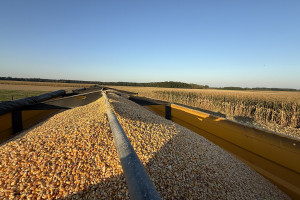
Grain corn yields in southwestern Poland, in the Lower Silesia and Opole voivodeships, are the lowest in many years this season, according to the Polish agricultural news site Farmer.pl. In the north, centre and northeast of the country, harvest results are largely satisfactory, but in these two regions corn has rarely lived up to expectations.
Yield levels
In many fields in Lower Silesia and Opole, yields were only 3–4 tonnes per hectare. The range most often reported by growers is 5–7 t/ha. A few farms exceeded 10 t/ha, but such cases are not common.
Harvest and purchasing
While the corn harvest in the east and north of Poland is still at an early stage, 80–90% of grain corn has already been harvested in Lower Silesia and Opole. Most fields were cleared two weeks ago, and only a few plantations remain to be cut. Queues at buying points are gone, and the peak of the harvest has passed.
As elsewhere in Poland, the region is affected by problems with gas-fired grain drying, including high gas prices and limited availability. Because the harvest is nearly complete, this is felt less than in the east of the country. Had high gas prices and supply problems appeared three to four weeks earlier, the harvest would have been considerably less advanced.
The region saw no stoppages linked to drying or harvesting this season. Even so, buying points received much less corn than they had anticipated when drawing up their grain intake plans. Some companies in the region have already announced they are not interested in buying more wet corn.
Grain still in the fields can be sold, but deductions for moisture are mostly higher than they were around two weeks ago. In some cases, buyers add a further condition: they will accept the grain only if the farmer declares they will buy corn seed from them for the next season. Otherwise, grain is accepted only under existing contracts.