Record fuel prices spark road protests in Portugal
Diesel hit an all-time high in Portugal on Monday, triggering horn protests and go-slow marches across the country. Fuel prices have been climbing all year, placing Portugal among Europe's most expensive markets.
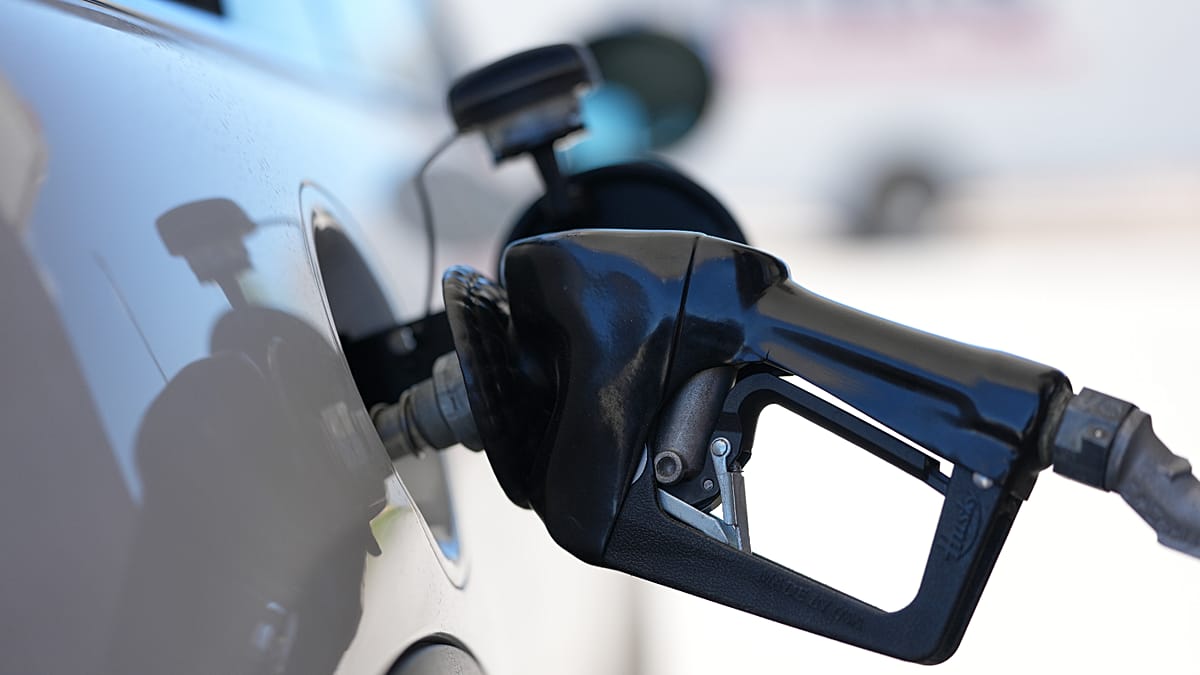
Portugal registered another jump in fuel prices on Monday, with diesel reaching its highest level ever recorded. The increase, part of a trend running through 2026, prompted drivers in several locations to take to the streets in protest.
In the morning, motorists staged a horn-honking demonstration on the 25 de Abril bridge connecting Lisbon and Almada. Further south, near Setúbal, a slow-moving convoy headed toward Galp's refinery in Sines. Organised through WhatsApp and social media, the protests continued past midday with no fixed end time. According to the Lusa news agency, participants carried signs denouncing the fuel hikes and stating that families can no longer cope. Police reported that between 60 and 100 vehicles took part.
Prices hit historic levels
According to the Automobile Club of Portugal's forecasts, diesel rose 15 cents on Monday to 2.169 euros per litre, while petrol climbed 12 cents to 2.142 euros per litre — figures that exclude an exceptional government tax reduction on fuel. Diesel is now at its highest price on record, and petrol is at its highest since the 2022 energy crisis triggered by Russia's invasion of Ukraine.
Fuel prices have also hit records elsewhere in Europe, including Germany. Still, data from a site tracking prices across 21 European countries placed Portugal 19th for petrol costs and 17th for diesel.
Regulator finds no evidence of profiteering
Amid the price surge, Portugal's environment and energy minister, Maria da Graça Carvalho, requested a study from the Energy Services Regulatory Authority (ERSE). Published in August, the study found no evidence that operators were profiteering, and no sign that prices fall more slowly than they rise. ERSE attributed price gaps with Spain to taxation, noting Portugal's tax burden has remained stable.
Experts link the broader rise to the Middle East conflict, disruption in the Strait of Hormuz, and limited refining capacity. Meanwhile, ministers from several EU countries, including Portugal, Germany and Spain, have called for an extraordinary tax on oil company profits to be discussed at the EU finance ministers' meeting in Ireland on 18-19 September.