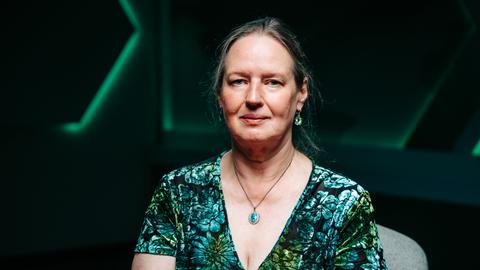
Psychologist: searching for a partner can cause fatigue, but not clinical burnout
Clinical psychologist Marija Ābeltiņa told the Apollo.lv programme "No otras puses" that too much choice and the design of dating platforms contribute to fatigue in the search for a partner. In her view, relationships also need "slow time".
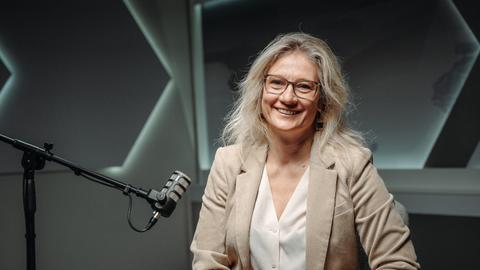
Marija Ābeltiņa, a doctor of psychological sciences and clinical psychologist, spoke on the Apollo.lv programme "No otras puses" about modern dating culture, fear of intimacy and the weariness many people feel when looking for a partner. The conversation was published on 27 November and helps explain why building relationships can feel exhausting today.
Fatigue, not clinical burnout
Ābeltiņa notes that professionals do not use the term "burnout from searching". Burnout is usually discussed in a work context, and there is also research on parental burnout while raising children. Looking for a partner can, however, make a person tired or emotionally drained, as any other activity can.
In her practice and among her acquaintances she does not see this as a particular problem. According to her, many people still find each other, and people meet both through apps and in person, for example on shared courses, at school or at university.
Too much choice and the influence of platforms
The psychologist explains that an overly wide selection makes choosing harder, because a person keeps wondering whether something better exists elsewhere. Dating platforms are not a neutral environment: they run on algorithms, and studies suggest the design of the platforms themselves can be tiring. The more potential partners people sift through, the more often they say "no". Ābeltiņa links this to human physiology: the brain is adapted to seek resources, and unpredictable opportunities draw people in even more.
The love model and young people
Ābeltiņa refers to the triangular theory of love by American psychologist Robert Sternberg, which includes passion, intimacy and commitment to building a relationship. She says Sternberg and his wife published a study two years ago that extended the model with expectations of the other person and with context.
She says that in developed countries, including Latvia, young people begin sexual relationships considerably later, while romantic relationships form later to a less pronounced degree. Among possible reasons she names less spontaneous time together without parental supervision and lower alcohol consumption.
Ābeltiņa stresses that relationships need "slow time": understanding one another requires spending enough time together.